



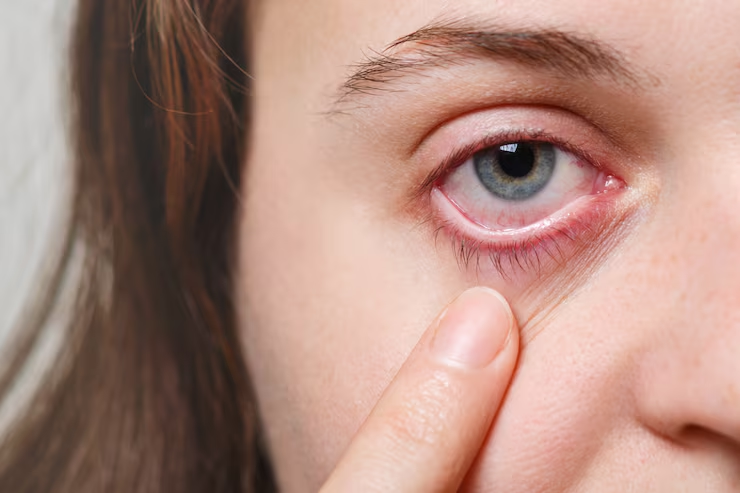
If your eyes have been troubling you lately, it may not be just screen time or lack of sleep. In many cases, zinc deficiency can silently affect eye health and vision.
👁️ Eye Problems Linked to Zinc Deficiency
- Difficulty seeing at night (night blindness): Zinc helps vitamin A work properly in the retina. Low zinc can weaken night vision.
- Dry, irritated eyes: Zinc is essential for tear production; deficiency may cause dryness and burning.
- Frequent eye infections or slow healing: Zinc supports immunity and tissue repair, including in the eyes.
- Blurred vision or eye strain: Poor zinc levels can affect retinal function and visual clarity.
- Sensitivity to light: Some people experience discomfort in bright light due to impaired eye protection mechanisms.
🧠 Why Zinc Matters for Eyes
Zinc plays a key role in:
- Transporting vitamin A from the liver to the eyes
- Maintaining retinal health
- Protecting eyes from oxidative damage
🥗 How to Improve Zinc Levels Naturally
Include zinc-rich foods such as:
- Pumpkin seeds, peanuts, cashews
- Chickpeas, lentils, whole grains
- Milk, curd, eggs
- Seafood (especially oysters)
🚨 When to See a Doctor
If eye problems persist despite rest and proper eye care, don’t self-medicate. A blood test can confirm deficiency, and a doctor can guide safe supplementation.

