



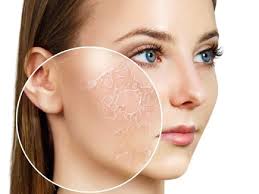
5 Skin Signs of Vitamin D Deficiency – Don’t Ignore Them
Vitamin D doesn’t just strengthen bones—it also plays a crucial role in skin repair, immunity, and inflammation control. When levels drop, your skin starts sending signals that look like ordinary problems, but they may actually be deeper warnings.
Below are the 5 important skin signs, explained thoughtfully:
1. Dry, Rough & Flaky Skin
Vitamin D regulates the skin’s natural moisture barrier.
When it’s low, the skin loses water quickly and becomes excessively dry, rough, or itchy—especially on the arms, legs, and cheeks.
Why it matters: Long-term deficiency weakens the skin barrier, making it prone to infections and eczema flare-ups.
2. Slow Healing of Cuts & Wounds
If even small cuts, acne marks, or scratches take too long to heal, low vitamin D could be the reason.
Why it happens: Vitamin D helps in collagen formation and inflammatory control.
Deficiency slows cell regeneration, so wounds remain red, inflamed, or unhealed for weeks.
Think about it: Poor healing also increases the risk of scarring.
3. Frequent Skin Infections
Vitamin D activates immune cells in the skin.
Low levels reduce this defence, leading to:
- recurring boils
- fungal infections like ringworm
- repeated folliculitis or bacterial pimples
Why it matters: Your skin’s immunity becomes weak, so infections keep coming back.
4. Skin Pigmentation or Dark Patches
Sudden appearance of dark patches, uneven skin tone, or hyperpigmentation—especially on cheeks, forehead, neck, or underarms—may signal deficiency.
Reason: Vitamin D affects melanin production. When it’s low, melanin behaves abnormally, causing patchy or stubborn pigmentation.
Think: Many people mistake it for sun damage, but internal vitamin lack may be the root.
5. Psoriasis-like Red, Scaly Patches
Severe deficiency can worsen inflammatory skin conditions.
You may notice:
- red patches
- silver/white scaling
- cracked or painful skin
These symptoms resemble psoriasis because vitamin D helps regulate skin cell turnover.
Think: If these patches grow or itch a lot in winter, check your vitamin D levels.
Why You Should Not Ignore These Signs
These skin changes are the external symptoms of an internal problem.
Ignoring them can lead to:
- weak immunity
- low energy or mood changes
- bone pain
- hair fall
- hormonal imbalance
A simple blood test (25-OH vitamin D) confirms the deficiency.
Quick Tips to Improve Vitamin D Levels
- 15–20 minutes of morning sunlight daily
- Eat: egg yolk, fish, dairy, mushrooms, fortified foods
- Vitamin D3 supplements (only after doctor’s advice)

