



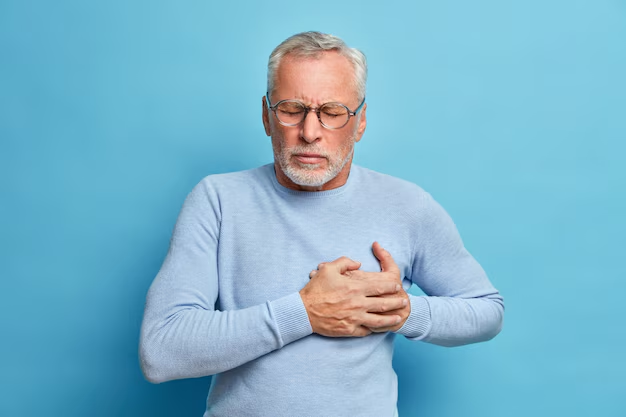
A heart attack can strike suddenly, but the body often gives subtle signs beforehand. Recognizing these 8 warning signs can save your life:
- Chest Discomfort or Pain: Pressure, tightness, or pain in the center of your chest lasting more than a few minutes is a primary indicator. It may come and go, but it should never be ignored.
- Shortness of Breath: Feeling breathless while resting or doing minimal activity can indicate reduced blood flow to the heart.
- Pain in Other Areas: Discomfort may radiate to the arms, back, neck, jaw, or stomach. These atypical pains often precede chest pain.
- Cold Sweat: Sudden sweating without physical exertion, accompanied by nausea or lightheadedness, can be an early warning.
- Fatigue: Unusual and unexplained tiredness, especially in women, can signal that the heart isn’t pumping efficiently.
- Nausea or Vomiting: Digestive discomfort may mimic heartburn but can be a sign of a heart problem.
- Dizziness or Lightheadedness: Reduced blood flow to the brain can make you feel faint or dizzy.
- Irregular Heartbeat: Palpitations, fluttering, or a racing heartbeat may indicate a heart attack is imminent.
5 Crucial Things to Keep in Mind:
- Don’t Ignore Symptoms: Even mild discomfort or unusual signs should prompt immediate attention.
- Call Emergency Services: Dial your local emergency number at the first sign of a heart attack.
- Chew Aspirin (If Advised): Only if you are not allergic and have been told by a doctor; it can reduce blood clotting.
- Stay Calm and Rest: Avoid any physical exertion and try to stay seated or lying down while waiting for help.
- Regular Health Checkups: Monitor blood pressure, cholesterol, and heart health to prevent future risks.
Recognizing these signs early and taking prompt action can save lives. Don’t wait—your vigilance could be the difference between life and death.
Disclaimer: This article is for informational and educational purposes only and should not be considered medical advice. Always consult a qualified healthcare professional before making any health, diet, or treatment decisions. SehatTak is not responsible for any actions taken based on this information.

