



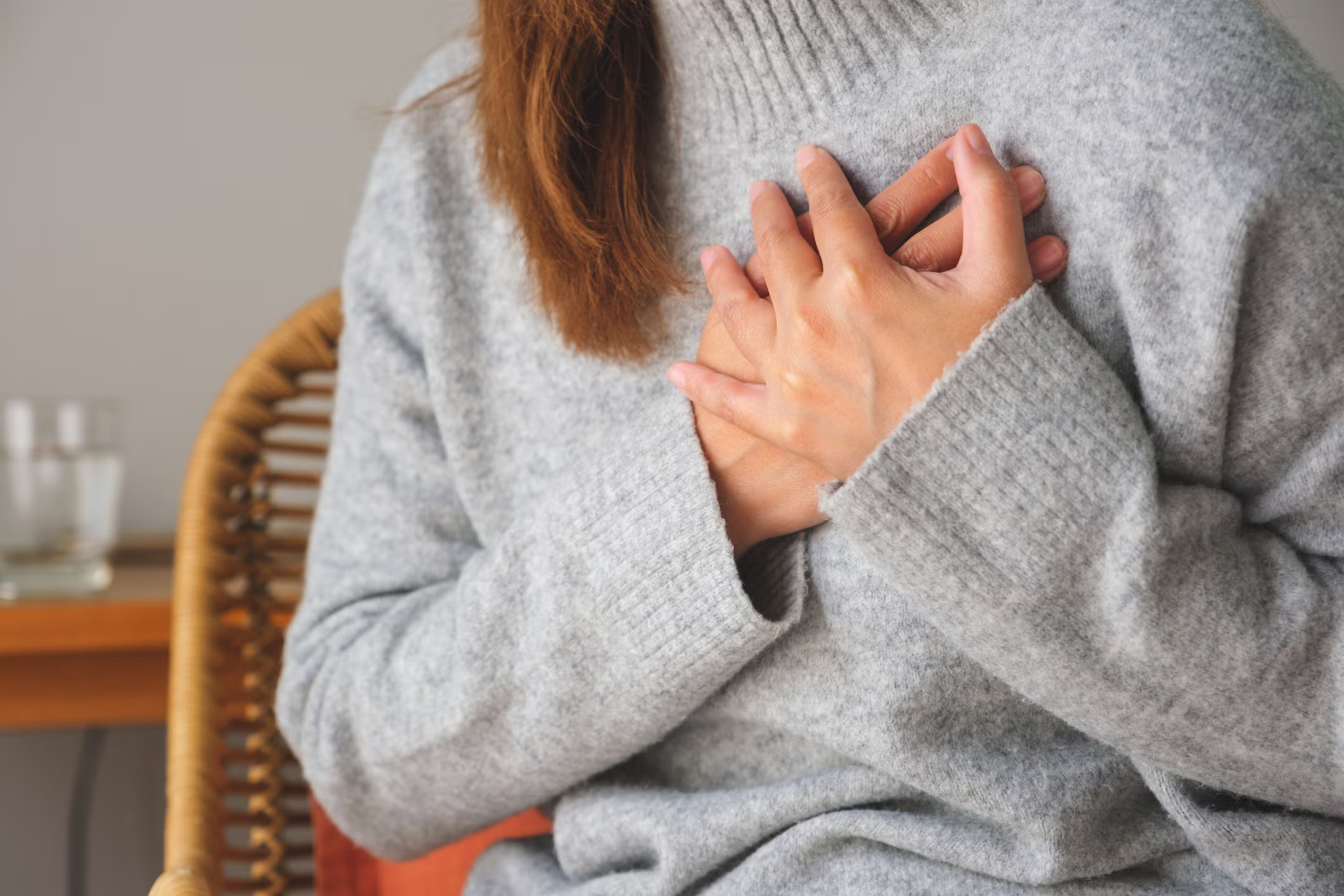
Heart Attack Risk Increases at This Time of Night; These 5 Symptoms Can Help Identify It Early
Heart attacks can happen at any time, but health experts warn that the risk rises between 12 AM and 6 AM. During this deep-sleep window, the body’s blood pressure drops, heart rate slows, and blood flow becomes uneven — creating a vulnerable period, especially for people with heart disease, high cholesterol, diabetes, obesity, or chronic stress.
Recognizing symptoms early can save a life. Here are 5 warning signs that often appear before or during a nighttime heart attack:
1. Sudden or Increasing Chest Pain
- A feeling of heaviness, tightness, or pressure
- Pain that lasts more than a few minutes
- Pain that wakes you from sleep
This is the most common and dangerous symptom.
2. Shortness of Breath
- Feeling breathless while lying down
- Waking up gasping for air
- Difficulty taking a deep breath
This happens when the heart struggles to pump blood effectively.
3. Pain Spreading to the Left Arm, Back, Jaw, or Neck
- Dull or sharp pain radiating outward
- Often accompanied by sweating or nausea
These are classic signposts of restricted blood flow to the heart.
4. Unexplained Sweating or Cold Sweat
- Sudden sweating even in cool weather
- Breaking into a cold sweat at night
This is a strong sign of the body entering “distress mode.”
5. Extreme Fatigue, Nausea, or Lightheadedness
- Feeling unusually weak or dizzy
- Nausea or vomiting
- Sudden exhaustion without physical activity
These symptoms are especially common in women and diabetic patients, where chest pain may be mild or absent.
What to Do if These Symptoms Appear at Night
- Call emergency services immediately. Do not wait for symptoms to “go away.”
- Chew one aspirin (if the person is not allergic).
- Stay calm, sit upright, and avoid lying down.
- Do not drive yourself — wait for medical help.
Disclaimer: This article is for informational and educational purposes only and should not be considered medical advice. Always consult a qualified healthcare professional before making any health, diet, or treatment decisions. SehatTak is not responsible for any actions taken based on this information.

