



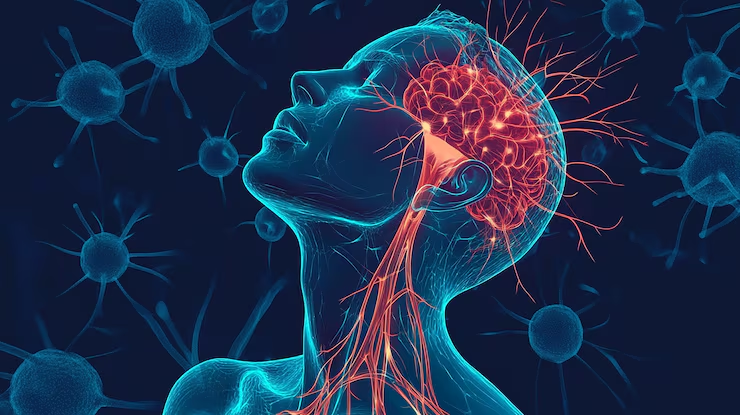
Nervous System Diseases Are Not Just Genetic — Maternal Stress During Pregnancy Can Also Be a Major Cause
When we think of nervous system diseases, we often blame genes. But modern research shows that maternal stress during pregnancy can also play a significant role in a child’s brain and nerve development.
How maternal stress affects the baby’s nervous system
When a pregnant woman experiences chronic stress, anxiety, or emotional trauma, her body releases high levels of stress hormones (cortisol). These hormones can cross the placenta and affect the baby’s developing brain and nerves.
This can lead to:
- Altered brain development
- Higher risk of neurodevelopmental issues
- Impaired nerve signaling
- Increased risk of disorders later in life
Conditions linked to high maternal stress
Researchers have found associations with:
- ADHD (Attention Deficit Hyperactivity Disorder)
- Autism Spectrum Disorder
- Anxiety disorders
- Learning disabilities
- Mood disorders
- Delayed cognitive development
Why stress during pregnancy is harmful
Long-term stress can:
- Reduce blood flow to the placenta
- Trigger inflammation in the body
- Affect the formation of neurons
- Disrupt the fetal brain’s wiring and communication systems
All these factors can contribute to nervous system problems—not immediately visible at birth, but appearing later in childhood.
Common causes of stress in pregnancy
- Family problems
- Financial issues
- Work pressure
- Lack of support
- Fear of childbirth
- Unhealthy lifestyle and poor sleep
How mothers can protect the baby’s nervous system
- Practice meditation, yoga, or deep breathing
- Maintain a healthy diet
- Ensure adequate sleep
- Stay connected with supportive people
- Avoid overthinking and mental strain
- Seek help from a doctor if anxiety feels uncontrollable
Disclaimer: This article is for informational and educational purposes only and should not be considered medical advice. Always consult a qualified healthcare professional before making any health, diet, or treatment decisions. SehatTak is not responsible for any actions taken based on this information.

