



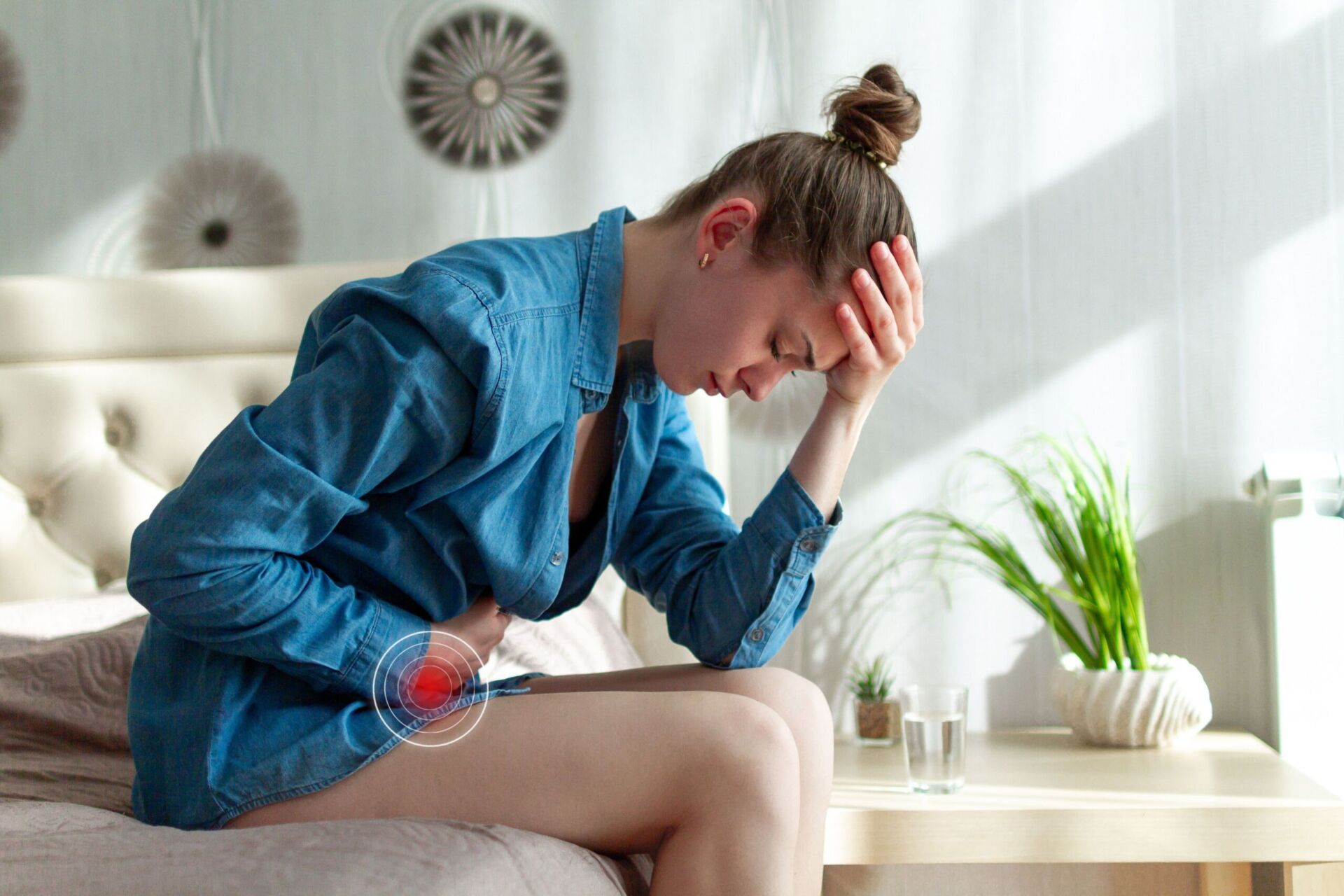
Intestinal worms are often linked only with children, but adults can also become infected. Poor hygiene, contaminated food or water, and contact with infected soil or surfaces can allow worms to enter the body at any age. Understanding when and why deworming is necessary helps maintain overall health and prevent complications.
Why Adults Can Get Intestinal Worms
- Contaminated food or water: Eating unwashed vegetables or undercooked meat can introduce worm eggs or larvae.
- Poor hygiene: Not washing hands after using the toilet or before meals increases the risk.
- Soil contact: Walking barefoot or handling contaminated soil can allow parasites to enter through the skin.
- Close living conditions: Sharing spaces with infected individuals or pets can spread infections.
Common Symptoms in Adults
- Stomach pain or cramps
Worms irritate the intestinal lining, causing discomfort. - Unexplained fatigue
Parasites consume nutrients, leading to weakness and tiredness. - Weight loss or poor appetite
The body may not absorb nutrients properly. - Itching around the anus
Especially common with pinworms, usually worse at night. - Digestive issues
Diarrhea, bloating, nausea, or constipation may occur.
When Deworming Is Necessary
- If you experience persistent digestive problems without a clear cause.
- When there is unexplained weight loss or fatigue.
- If a family member has been diagnosed with intestinal worms.
- In areas where worm infections are common, periodic preventive deworming may be recommended by doctors.
Why Deworming Is Important
- Prevents nutrient deficiency: Worms compete for vitamins and minerals.
- Improves digestion and energy levels.
- Reduces risk of complications like anemia or intestinal blockage.
- Prevents spread to others in the household.
Prevention Tips
- Wash hands with soap before eating and after using the toilet.
- Wash fruits and vegetables thoroughly.
- Cook meat properly.
- Avoid walking barefoot in potentially contaminated areas.
- Keep nails short and clean.
Note: Deworming medicines should be taken only on a doctor’s advice, especially for pregnant women or people with existing health conditions
Disclaimer: This article is for informational and educational purposes only and should not be considered medical advice. Always consult a qualified healthcare professional before making any health, diet, or treatment decisions. SehatTak is not responsible for any actions taken based on this information.

