



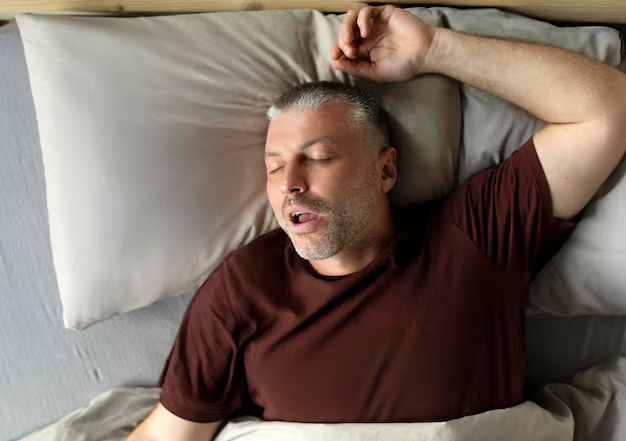
Snoring is often taken lightly and seen as just an annoying sleep habit. However, doctors warn that chronic loud snoring can be a sign of obstructive sleep apnea (OSA)—a serious sleep disorder that may increase the risk of heart disease, high blood pressure, stroke, and heart attack.
Here’s what you need to know.
How snoring is linked to heart problems
When a person snores loudly and frequently, it may be due to sleep apnea, a condition in which breathing repeatedly stops and starts during sleep.
What happens in sleep apnea:
- The airway becomes partially or fully blocked during sleep.
- Breathing stops for a few seconds.
- Oxygen levels in the blood drop.
- The brain wakes the body briefly to restart breathing.
- This cycle repeats many times throughout the night.
Over time, these repeated oxygen drops and sleep interruptions can:
- Increase blood pressure
- Strain the heart and blood vessels
- Cause irregular heart rhythms
- Raise the risk of heart attack and stroke
Warning signs that snoring is dangerous
Not all snoring is harmful, but you should be cautious if you notice:
- Very loud, chronic snoring
- Gasping or choking during sleep
- Pauses in breathing (noticed by others)
- Morning headaches
- Daytime sleepiness or fatigue
- Difficulty concentrating
These symptoms may indicate obstructive sleep apnea, which needs medical evaluation.
How to prevent snoring and protect your heart
Doctors suggest the following lifestyle and medical steps:
1) Maintain a healthy weight
Excess weight, especially around the neck, can narrow the airway and worsen snoring.
2) Sleep on your side
Sleeping on your back can cause the tongue to fall backward and block the airway.
3) Avoid alcohol before bedtime
Alcohol relaxes throat muscles, increasing the chances of snoring and breathing pauses.
4) Keep your nasal passages clear
Treat allergies or congestion to improve airflow while sleeping.
5) Follow a regular sleep schedule
Proper sleep habits help maintain better breathing patterns.
6) Use medical treatments if needed
If diagnosed with sleep apnea, doctors may recommend:
- CPAP (Continuous Positive Airway Pressure) machine
- Oral appliances
- In some cases, surgery
When to see a doctor
Consult a doctor if:
- Snoring is loud and frequent
- You feel tired even after a full night’s sleep
- Someone notices you stop breathing during sleep
Early diagnosis and treatment can reduce heart risks and improve overall health.
Bottom line:
Snoring is not always harmless. In some cases, it can be an early warning sign of serious heart problems. Paying attention to symptoms and making lifestyle changes can protect both your sleep and your heart.

