



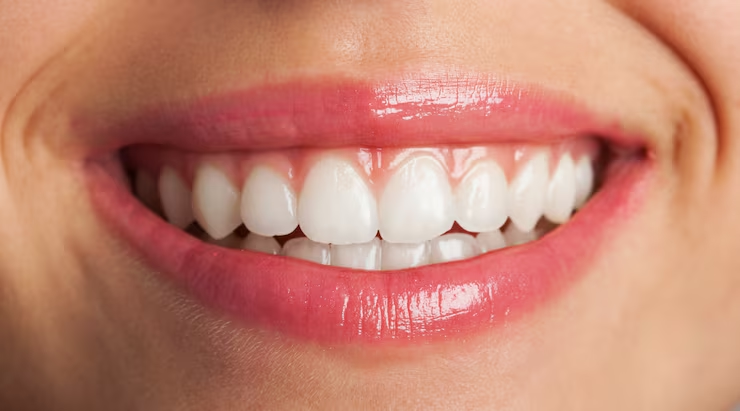
Even after quitting smoking, many people notice that yellow stains remain on their teeth. That happens because cigarette smoke leaves behind tar and nicotine, which stick to the enamel (outer layer of the teeth). Over time these substances penetrate tiny pores in the enamel, so the stains can remain even after you stop smoking.
Why the stains stay even after quitting
- Deep penetration into enamel
Tar and nicotine seep into microscopic pores of the tooth enamel, making stains hard to remove with normal brushing. - Nicotine oxidation
Nicotine is colorless, but when it reacts with oxygen it turns yellow-brown and sticks to teeth. - Weakened enamel
Smoking can damage enamel, making teeth more porous and more likely to hold stains. - Plaque and tartar buildup
Smoking increases plaque formation, which traps pigments and causes yellowing. - Reduced saliva production
Smoking reduces saliva, and saliva normally helps wash away stain-causing particles.
5 dentist-recommended ways to brighten your teeth
- Professional dental cleaning
Dentists can remove tartar and surface stains with scaling and polishing. - Whitening toothpaste
Special toothpastes contain mild abrasives and whitening agents that gradually reduce stains. - Professional teeth whitening
Dental bleaching treatments can lighten teeth several shades in one session. - Good oral hygiene routine
Brushing twice daily, flossing, and using mouthwash help prevent new stains from forming. - Limit stain-causing foods and drinks
Coffee, tea, cola, and red wine can worsen discoloration, so reducing them helps maintain a brighter smile.
Disclaimer: This article is for informational and educational purposes only and should not be considered medical advice. Always consult a qualified healthcare professional before making any health, diet, or treatment decisions. SehatTak is not responsible for any actions taken based on this information.

