



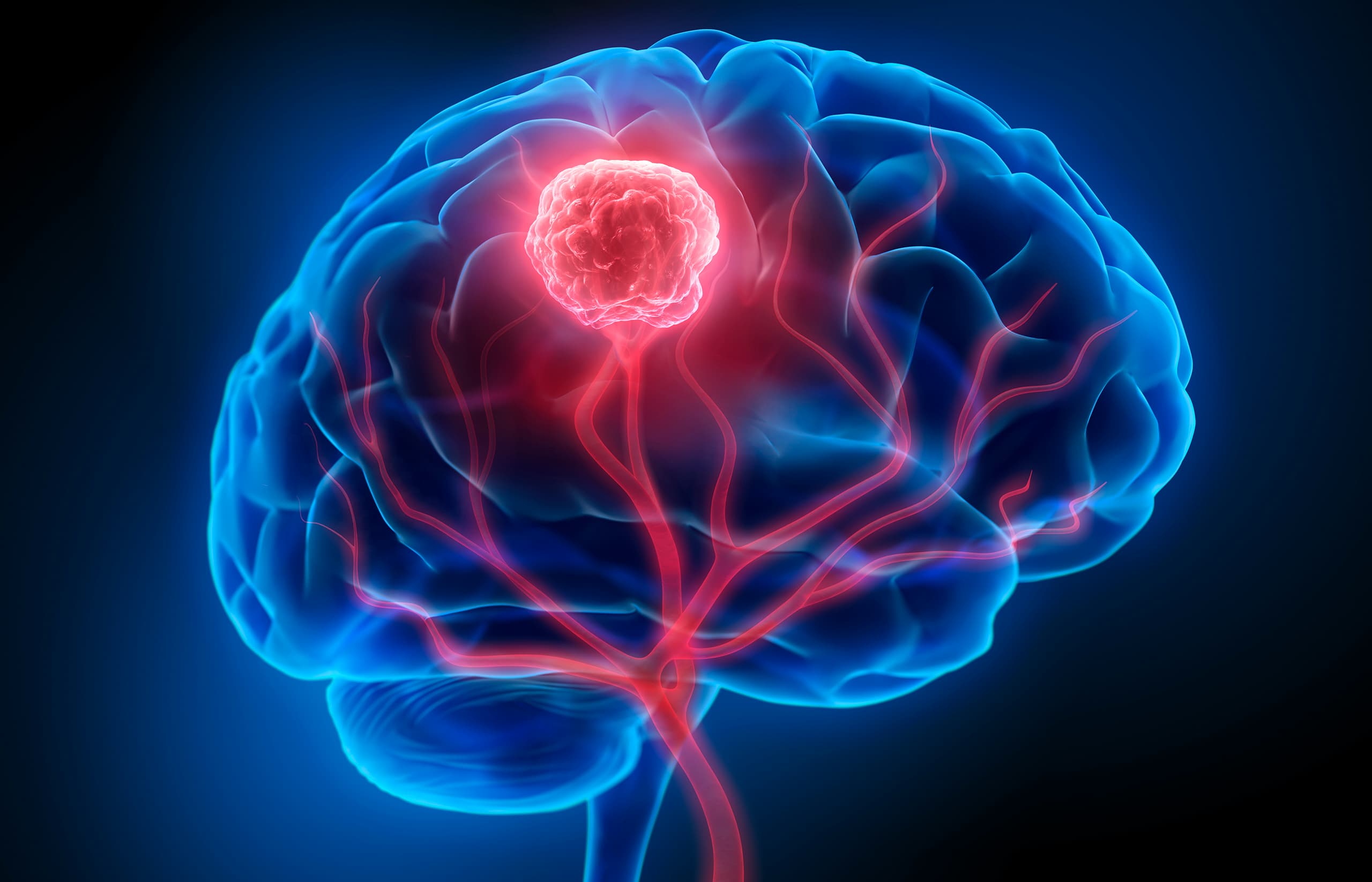
What is the Doorway Effect?
When you walk through a doorway or move from one room to another, your brain treats it like a boundary between events.
👉 Your brain basically says:
“New room = new context = new memory space.”
So the thought you had in the previous room gets “filed away”, making it harder to recall instantly.
🔬 The Science Behind It
This phenomenon is studied in Cognitive Psychology and involves:
1. Event Segmentation
Your brain naturally divides experiences into chunks (called events).
- Living room = one event
- Kitchen = another event
Crossing a doorway signals the brain to close the previous event and start a new one.
2. Working Memory Reset
Your working memory (short-term memory) can only hold limited information.
When context changes:
- The brain updates priorities
- Older thoughts (like why you walked in) may get pushed out
3. Role of the Hippocampus
The Hippocampus plays a key role in forming and retrieving memories.
- It links memories to locations and contexts
- Changing location can weaken the connection to your original intention
🧪 Real Research Example
Researchers at the University of Notre Dame found that:
- People were more likely to forget things after walking through doorways
- Even in virtual environments, the effect still happened
👉 This proves it’s not the door itself — it’s the change in context.
🤯 Why It Feels So Sudden
You don’t slowly forget — it feels instant because:
- The brain quickly switches “mental folders”
- The old thought becomes temporarily inaccessible
💡 How to Prevent It
Here are simple tricks:
- Pause before entering → mentally repeat what you need
- Visualize the task → creates stronger memory links
- Carry a cue → like holding something related to the task
- Go back to the original room → it often triggers recall instantly
🧩 Simple Way to Understand
Think of your brain like tabs on a phone:
- Room 1 = Tab A (your task is here)
- Room 2 = Tab B opens → Tab A goes in background

