



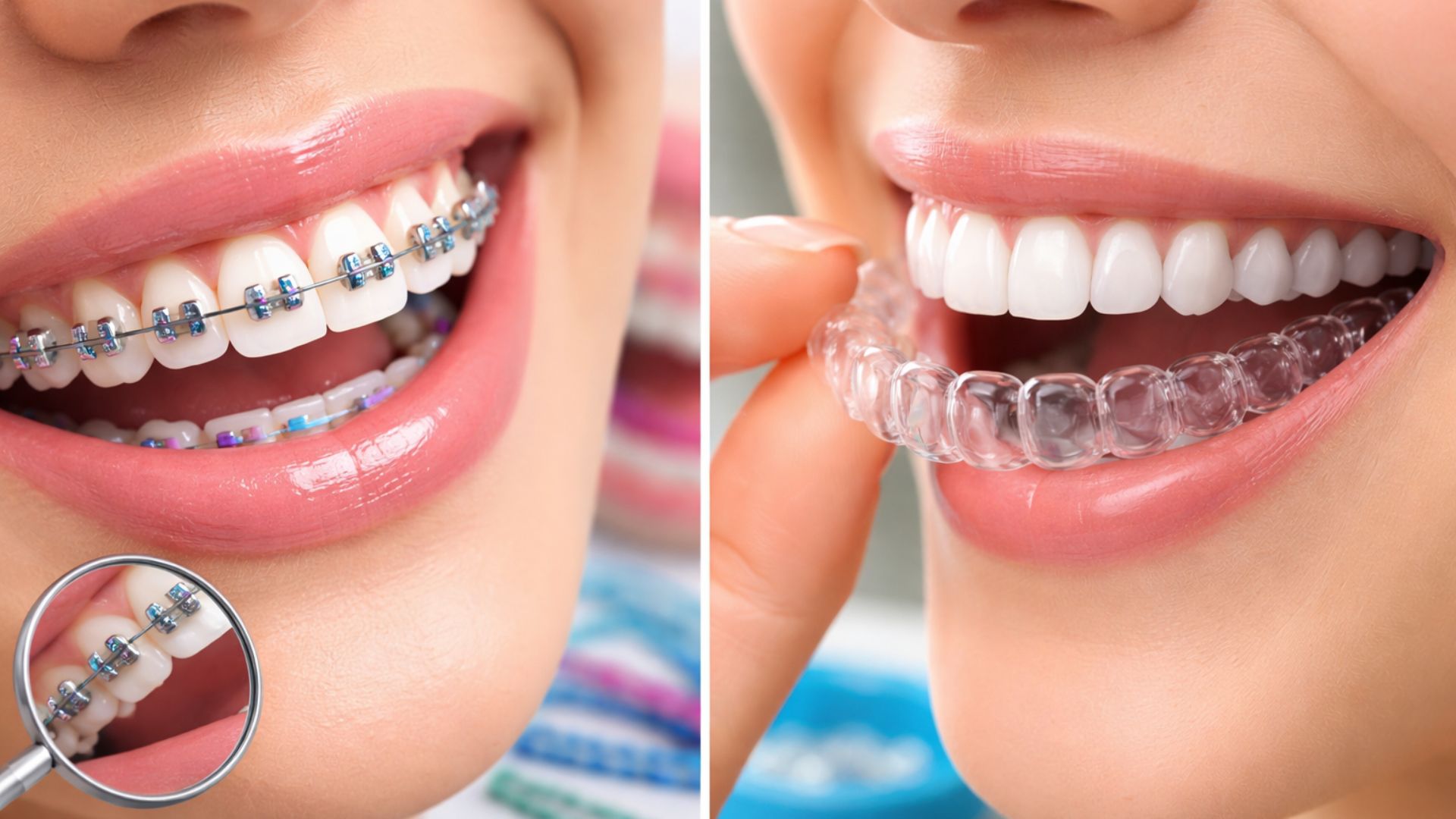
Aligners Are a Trendy Alternative to Braces — Here’s What Experts Want You to Know Before Treatment
Clear aligners have become very popular because they are nearly invisible, removable, and more comfortable than traditional metal braces. But before starting treatment, it’s important to understand how they work, who they are suitable for, and what precautions you should take.
1. What Are Aligners?
Aligners are transparent plastic trays designed to gradually move teeth into the correct position. Companies create a series of custom-made trays, and each tray slightly shifts the teeth over time.
Common issues aligners can help with:
- Crooked teeth
- Gaps between teeth
- Mild bite problems
- Crowded teeth
Unlike braces, there are no metal wires or brackets attached to the teeth.
2. How Do Aligners Work?
The dentist or orthodontist first scans your teeth digitally. A treatment plan is then created showing how the teeth will move step by step.
You usually:
- Wear aligners for 20–22 hours daily
- Change to a new tray every 1–2 weeks
- Continue treatment for several months or longer depending on the case
Consistency is very important. If you don’t wear them regularly, treatment may fail or take longer.
3. Benefits of Aligners
Nearly Invisible
Most people cannot easily notice them, which is why many adults and teenagers prefer them.
More Comfortable
No sharp wires or metal brackets causing mouth cuts.
Removable
You can remove them while:
- Eating
- Brushing
- Flossing
This makes oral hygiene easier than with braces.
Fewer Clinic Visits
Many treatments require fewer adjustments compared to traditional braces.
4. Things Experts Warn About Before Treatment
Not Suitable for Everyone
Severe dental problems may still require traditional braces. Aligners work best for mild to moderate corrections.
Discipline Is Necessary
Because aligners are removable, some people forget to wear them enough. Wearing them less than recommended can delay results.
Cheap Online Aligners Can Be Risky
Experts warn against starting treatment without proper dental supervision. Poorly planned aligners may:
- Damage gums
- Cause bite problems
- Move teeth incorrectly
- Lead to jaw pain
Always consult a qualified orthodontist.
Temporary Discomfort Is Normal
You may feel:
- Pressure on teeth
- Mild pain for a few days after changing trays
- Slight speech changes initially
These usually improve with time.
5. Oral Hygiene Is Extremely Important
Food trapped inside aligners can increase the risk of:
- Cavities
- Bad breath
- Gum infection
Experts recommend:
- Brushing after every meal
- Cleaning aligners daily
- Avoiding sugary drinks while wearing them
6. Treatment Doesn’t End After Aligners
After treatment, most people need retainers to prevent teeth from shifting back.
Without retainers, teeth may slowly return to their old position.
7. Cost and Treatment Time
Aligners can sometimes cost more than braces depending on:
- Brand
- Complexity of treatment
- Duration
Treatment may last:
- 6 months for simple cases
- 1–2 years for complex corrections
8. When Should You Avoid Aligners?
Experts may not recommend aligners if:
- You have severe jaw alignment issues
- Teeth need major rotation or movement
- You have untreated gum disease
- You cannot commit to wearing them daily
9. Important Questions to Ask Before Starting
Before treatment, ask your dentist:
- Am I a good candidate for aligners?
- How long will treatment take?
- What happens if I skip wearing them?
- Will I need retainers afterward?
- What are the total costs?
Conclusion
Aligners can be an effective and convenient alternative to braces when used correctly and under expert supervision. They offer cosmetic and comfort advantages, but successful treatment depends on discipline, proper dental care, and choosing a qualified orthodontist rather than relying on trendy advertisements or cheap online options.

