



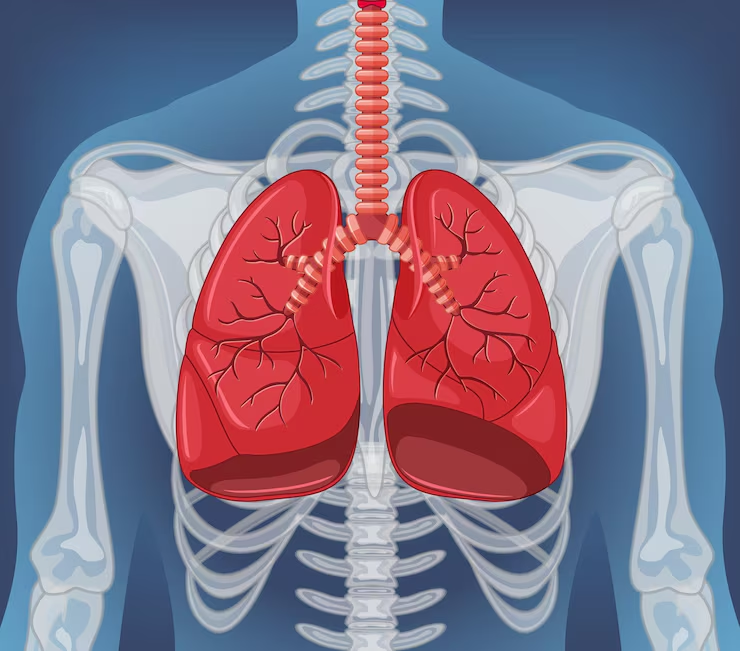
A pulmonary embolism (PE) is a serious medical condition in which a blood clot blocks an artery in the lungs. In many cases, the clot starts in the legs as deep vein thrombosis (DVT) and then travels to the lungs through the bloodstream. This blockage can reduce oxygen levels and put sudden pressure on the heart, sometimes leading to cardiac arrest.
How can pulmonary embolism cause cardiac arrest?
When a large clot blocks blood flow in the lungs:
- The heart struggles to pump blood properly
- Oxygen supply to the body drops suddenly
- Blood pressure can collapse
- The heart may stop beating effectively
This is why severe pulmonary embolism is considered a medical emergency.
Common symptoms of pulmonary embolism
Symptoms can appear suddenly and may vary from mild to severe.
1. Sudden shortness of breath
Difficulty breathing without an obvious reason is one of the most common signs.
2. Chest pain
The pain may feel sharp and worsen while breathing deeply, coughing, or moving.
3. Rapid heartbeat
The heart may beat unusually fast as it tries to compensate for reduced oxygen.
4. Cough
Some people may cough up blood-stained mucus.
5. Dizziness or fainting
Low oxygen and blood pressure can cause collapse or unconsciousness.
6. Swelling or pain in one leg
This may indicate a clot in the leg before it travels to the lungs.
Major risk factors
Certain conditions increase the chances of developing blood clots.
Long periods of immobility
- Long flights or bed rest
- Sitting for many hours continuously
Recent surgery or injury
Operations, especially involving the legs, hips, or abdomen, raise clot risk.
Obesity
Excess weight can affect blood circulation and clot formation.
Smoking
Smoking damages blood vessels and increases clotting risk.
Cancer and certain medications
Some cancers and hormone-based medicines like birth control pills can increase clot risk.
Pregnancy and postpartum period
Hormonal changes and reduced circulation may contribute to clotting.
Heart disease or previous clot history
People with earlier blood clots are at higher risk of recurrence.
Warning signs that should never be ignored
Seek emergency medical help if someone suddenly experiences:
- Severe breathlessness
- Sharp chest pain
- Fainting
- Bluish lips or skin
- Sudden collapse
Can pulmonary embolism be prevented?
In many cases, yes. Prevention methods include:
- Staying physically active
- Walking during long travel
- Drinking enough water
- Avoiding smoking
- Taking prescribed blood thinners after surgery if advised
- Managing weight and chronic illnesses
Important takeaway
Pulmonary embolism is often sudden but can sometimes be prevented if early warning signs of blood clots are recognized. Quick diagnosis and treatment greatly improve survival chances.

