



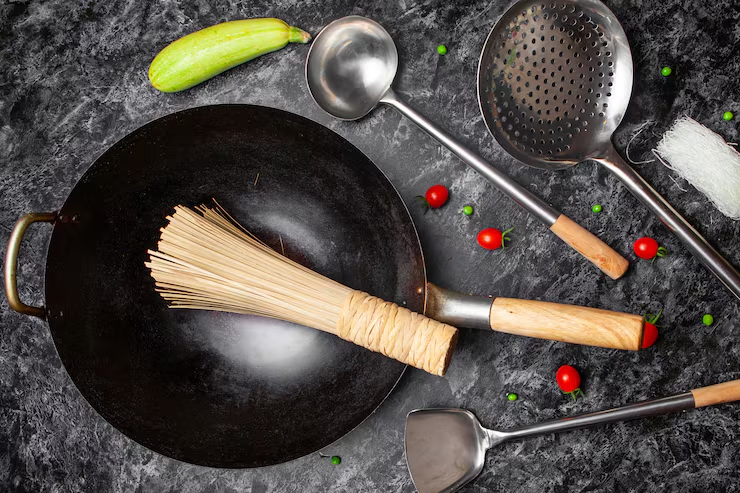
Iron woks and iron kadais have been used in Indian kitchens for generations. Besides being durable and naturally non-stick when seasoned properly, they can also increase the iron content of certain foods. However, while cooking in an iron wok offers several health benefits, it is not suitable for everyone. Here’s what doctors and nutrition experts recommend.
1. Can Cooking in an Iron Wok Increase Iron Intake?
Yes. When you cook food in an iron wok, a small amount of iron can leach into the food, especially if you’re preparing acidic dishes like tomato-based curries or foods containing lemon or tamarind. This can help increase dietary iron intake over time.
2. Benefits of Cooking in an Iron Wok
- May help improve iron intake, particularly in people with low iron stores.
- Can support the prevention of iron-deficiency anemia when combined with an iron-rich diet.
- Adds no harmful chemical coatings, unlike some damaged non-stick cookware.
- Extremely durable and can last for decades with proper care.
- Develops a natural non-stick surface through seasoning.
3. Who May Benefit the Most?
Doctors say cooking in iron cookware may be especially helpful for:
- People with iron-deficiency anemia.
- Women with heavy menstrual bleeding.
- Pregnant women (only if advised by their healthcare provider).
- Vegetarians and vegans, who may have lower iron intake from their diets.
- Growing children and adolescents who need adequate iron for development.
4. Who Should Exercise Caution?
Iron cookware is not ideal for everyone. People who should consult a doctor before regularly using it include:
- Those with iron overload disorders, such as Hereditary Hemochromatosis.
- Individuals receiving frequent blood transfusions.
- People with certain chronic liver conditions associated with excess iron.
- Anyone taking iron supplements unless their healthcare provider recommends additional iron intake.
5. Does It Affect Food Taste?
Acidic foods cooked for long periods may develop a slight metallic taste. This is generally harmless but can be noticeable in dishes like tomato curry, rasam, or tamarind-based recipes.
6. Which Foods Are Best Cooked in an Iron Wok?
Good choices include:
- Stir-fried vegetables
- Rotis or parathas
- Dry sabzis
- Meat dishes
- Lentils and beans
- Shallow-fried foods
7. Foods to Limit
Avoid leaving highly acidic foods in the iron wok for extended periods, as this can:
- Increase iron leaching significantly.
- Alter the taste of the food.
- Damage the seasoning layer.
8. Tips for Safe Use
- Season the wok before first use.
- Dry it immediately after washing to prevent rust.
- Apply a thin layer of cooking oil after cleaning.
- Avoid harsh detergents and steel scrubbers if possible.
- Never store cooked food in the iron wok overnight.
9. Is Iron from Cookware Enough to Treat Anemia?
No. While iron cookware can modestly increase iron intake, it should not replace medical treatment. People diagnosed with anemia should follow their doctor’s advice regarding diet, supplements, and treatment.
10. The Bottom Line
Cooking in an iron wok can be a healthy addition to your kitchen, especially if you’re at risk of iron deficiency. However, it is not beneficial for everyone. If you have a condition that causes excess iron in the body or are already taking iron supplements, consult your doctor before making iron cookware a regular part of your cooking routine. A balanced diet and appropriate medical guidance remain the most important factors for maintaining healthy iron levels.

