



Could Your Iron Intake Be Causing Your Brain to Age Prematurely? Here’s What Science Says
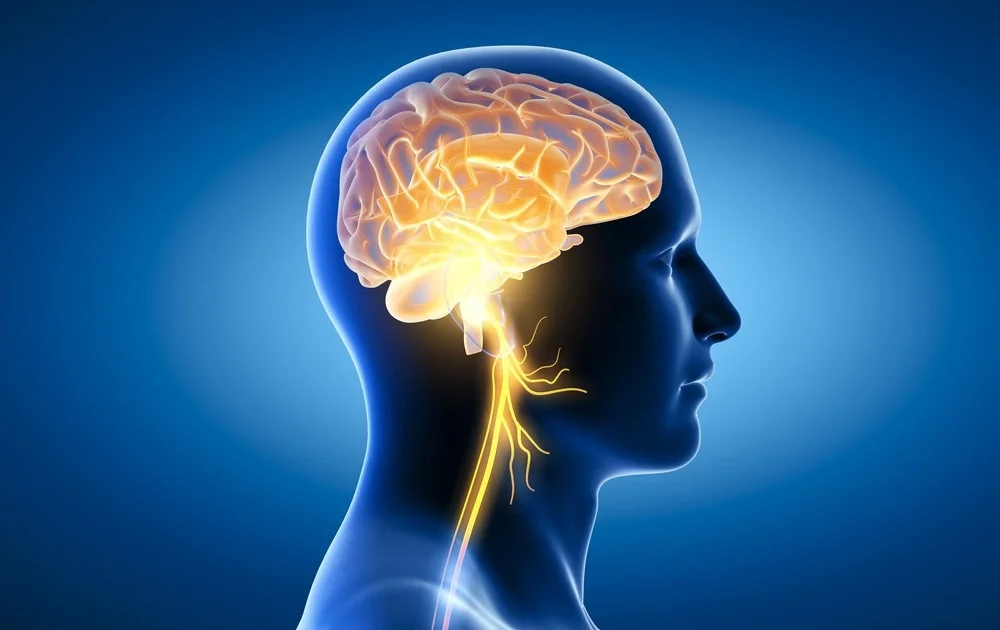
Iron is an essential mineral that helps your body produce red blood cells, transport oxygen, and support brain function. However, while too little iron can harm your health, too much iron may also pose risks—especially to the brain. Recent research suggests that excess iron accumulation in certain brain regions may contribute to cognitive decline and age-related neurological diseases.
Here’s everything you need to know.
1. Why Is Iron Important for the Brain?
Iron is essential for:
- Producing hemoglobin, which carries oxygen throughout the body.
- Supporting brain development and normal nerve function.
- Producing neurotransmitters such as dopamine and serotonin.
- Maintaining memory, learning, and concentration.
- Helping cells generate energy.
Both iron deficiency and iron overload can affect brain health.
2. Can Too Much Iron Make the Brain Age Faster?
Possibly, but it depends on where the iron is stored and why it accumulates.
Research has found that excess iron can build up in brain regions involved in memory and movement as people age. High levels of iron may increase oxidative stress, a process in which unstable molecules called free radicals damage brain cells. Over time, this damage may contribute to faster brain aging.
Scientists are still studying whether excess iron is a direct cause of brain aging or a marker of underlying disease.
3. How Does Excess Iron Damage Brain Cells?
When iron levels become too high, it can:
- Increase the production of harmful free radicals.
- Damage cell membranes, proteins, and DNA.
- Trigger chronic inflammation in brain tissue.
- Affect communication between nerve cells.
- Contribute to the death of neurons through a process known as ferroptosis, an iron-dependent form of cell death.
These changes may gradually reduce cognitive function.
4. What Conditions Have Been Linked to High Brain Iron?
Studies have associated abnormal brain iron accumulation with several neurological disorders, including:
- Alzheimer’s disease
- Parkinson’s disease
- Multiple sclerosis
- Huntington’s disease
However, researchers have not proven that dietary iron alone causes these diseases.
5. Does Eating Iron-Rich Foods Cause Iron Overload?
For most healthy people, no.
The body carefully regulates how much iron it absorbs from food. Eating iron-rich foods such as spinach, lentils, beans, red meat, or fortified cereals does not usually lead to dangerous iron overload.
Iron overload is more likely in people who:
- Have inherited disorders such as hemochromatosis.
- Receive frequent blood transfusions.
- Take high-dose iron supplements without medical advice.
- Have certain liver disorders.
6. Should You Stop Taking Iron Supplements?
Not unless your doctor advises it.
Iron supplements are beneficial for people with:
- Iron-deficiency anemia.
- Pregnancy-related iron deficiency.
- Certain medical conditions that increase iron requirements.
Taking iron supplements unnecessarily or in excessive doses can lead to iron overload and should be avoided.
7. What Are the Signs of Too Much Iron?
Early symptoms may include:
- Fatigue
- Joint pain
- Abdominal pain
- Weakness
- Loss of libido
- Skin darkening (in some cases)
Long-term excess iron can damage the:
- Liver
- Heart
- Pancreas
- Hormone-producing glands
8. How Can You Protect Your Brain?
Experts recommend:
- Eat a balanced diet instead of taking supplements unnecessarily.
- Take iron supplements only if prescribed.
- Stay physically active.
- Control blood pressure, diabetes, and cholesterol.
- Eat antioxidant-rich fruits and vegetables.
- Get adequate sleep.
- Keep your brain active through learning and social interaction.
9. Who Should Be Extra Careful?
You may need medical evaluation if you:
- Have a family history of iron overload disorders.
- Have persistently high iron or ferritin levels.
- Frequently receive blood transfusions.
- Take iron supplements for long periods without monitoring.
A doctor may recommend blood tests such as serum ferritin and transferrin saturation to assess iron stores.
10. The Bottom Line
Iron is essential for healthy brain function, but maintaining the right balance is crucial. Current evidence suggests that abnormal iron accumulation in the brain is associated with aging and several neurodegenerative diseases, but there is no strong evidence that a normal iron-rich diet causes premature brain aging in healthy individuals.
The safest approach is to:
- Eat a balanced diet.
- Avoid self-prescribing iron supplements.
- Have your iron levels checked if you have symptoms, risk factors, or a medical condition that affects iron metabolism.
Maintaining healthy iron levels—not too low and not too high—is the best strategy for supporting long-term brain health.

