



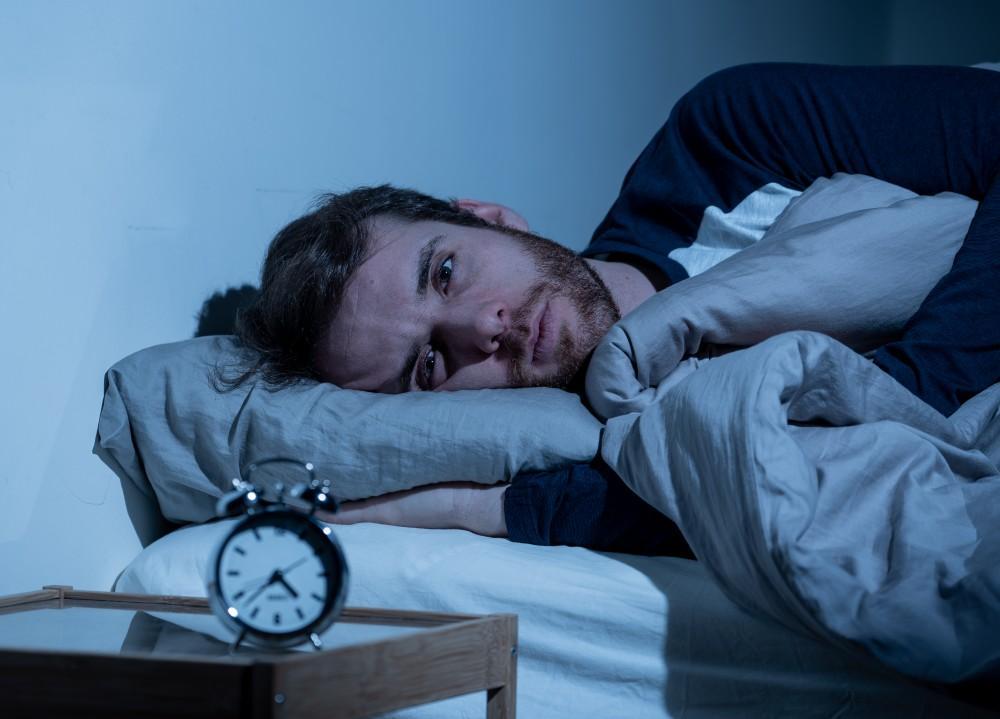
Feeling Tired but Still Can’t Sleep? These Are the Reasons Why You Toss and Turn All Night
Have you ever felt completely exhausted after a long day, only to lie awake in bed for hours? This frustrating experience is surprisingly common. While feeling tired usually leads to sleep, several physical, mental, and lifestyle factors can interfere with your body’s natural sleep cycle. If this happens regularly, it’s worth understanding the underlying causes.
1. Stress and Anxiety Keep Your Brain Awake
One of the most common reasons for being tired but unable to sleep is stress. Worrying about work, finances, relationships, or daily responsibilities can keep your brain in “alert mode,” making it difficult to relax. Anxiety also increases stress hormones like cortisol, which can delay sleep.
Signs:
- Racing thoughts
- Difficulty relaxing
- Feeling restless in bed
2. Poor Sleep Hygiene
Your daily habits have a major impact on sleep quality. Using your phone in bed, sleeping at irregular times, eating heavy meals late at night, or keeping your bedroom too bright or noisy can all make it harder to fall asleep.
Healthy sleep habits include:
- Going to bed and waking up at the same time every day
- Keeping the bedroom cool, dark, and quiet
- Avoiding screens for at least 30–60 minutes before bedtime
3. Too Much Caffeine or Nicotine
Coffee, tea, energy drinks, chocolate, and nicotine are stimulants that can stay in your body for several hours. Even if you feel physically tired, these substances may prevent your brain from entering sleep mode.
Tip: Avoid caffeine for at least 6–8 hours before bedtime if you’re sensitive to its effects.
4. Excessive Screen Time Before Bed
The blue light emitted by smartphones, tablets, computers, and televisions suppresses melatonin—the hormone that signals your body it’s time to sleep. This can delay sleep onset and reduce sleep quality.
5. Irregular Sleep Schedule
Sleeping late on weekends, taking long daytime naps, or working night shifts can disrupt your internal body clock (circadian rhythm). As a result, you may feel tired but find it difficult to fall asleep when you want to.
6. Mental Health Conditions
Conditions such as anxiety disorders, depression, post-traumatic stress disorder (PTSD), and chronic stress frequently affect sleep. Depression may cause either insomnia or excessive sleepiness, while anxiety often leads to difficulty falling asleep.
If sleep problems persist alongside changes in mood, it’s important to seek professional help.
7. Medical Conditions
Several health conditions can interfere with sleep, including:
- Chronic pain
- Acid reflux (GERD)
- Asthma
- Thyroid disorders
- Restless legs syndrome
- Sleep apnea
Treating the underlying condition often improves sleep quality.
8. Hormonal Changes
Hormonal fluctuations during menstruation, pregnancy, menopause, or thyroid disorders can disrupt sleep. Changes in estrogen, progesterone, or thyroid hormone levels may affect both sleep duration and quality.
9. Certain Medications
Some medications—including steroids, decongestants, certain antidepressants, ADHD medications, and asthma treatments—can interfere with sleep. If insomnia begins after starting a new medication, discuss it with your healthcare provider rather than stopping it on your own.
10. Chronic Insomnia
If you have difficulty falling asleep, staying asleep, or waking too early at least three nights a week for three months or longer, you may have chronic insomnia. This condition often requires proper evaluation and treatment.
How to Sleep Better Naturally
Here are some science-backed ways to improve sleep:
- Maintain a consistent sleep schedule.
- Limit caffeine, nicotine, and alcohol in the evening.
- Reduce screen exposure before bedtime.
- Exercise regularly, but avoid intense workouts close to bedtime.
- Practice relaxation techniques such as deep breathing, meditation, or gentle stretching.
- Keep your bedroom cool, dark, and quiet.
- Avoid heavy meals just before sleeping.
- If you can’t fall asleep within about 20 minutes, get out of bed and do a quiet, relaxing activity until you feel sleepy.
When Should You See a Doctor?
Consult a healthcare professional if:
- Sleep problems last for several weeks.
- Insomnia affects your daily life or work.
- You snore loudly or stop breathing during sleep.
- You frequently wake up gasping for air.
- You experience severe daytime sleepiness despite spending enough time in bed.
Conclusion
Feeling tired but unable to sleep is often linked to stress, poor sleep habits, stimulants, irregular schedules, or underlying medical conditions. While occasional sleepless nights are normal, persistent insomnia shouldn’t be ignored. Improving sleep hygiene and addressing the root cause can help restore healthy, refreshing sleep. If symptoms continue, seeking medical advice is the best way to identify and treat the underlying problem.

