



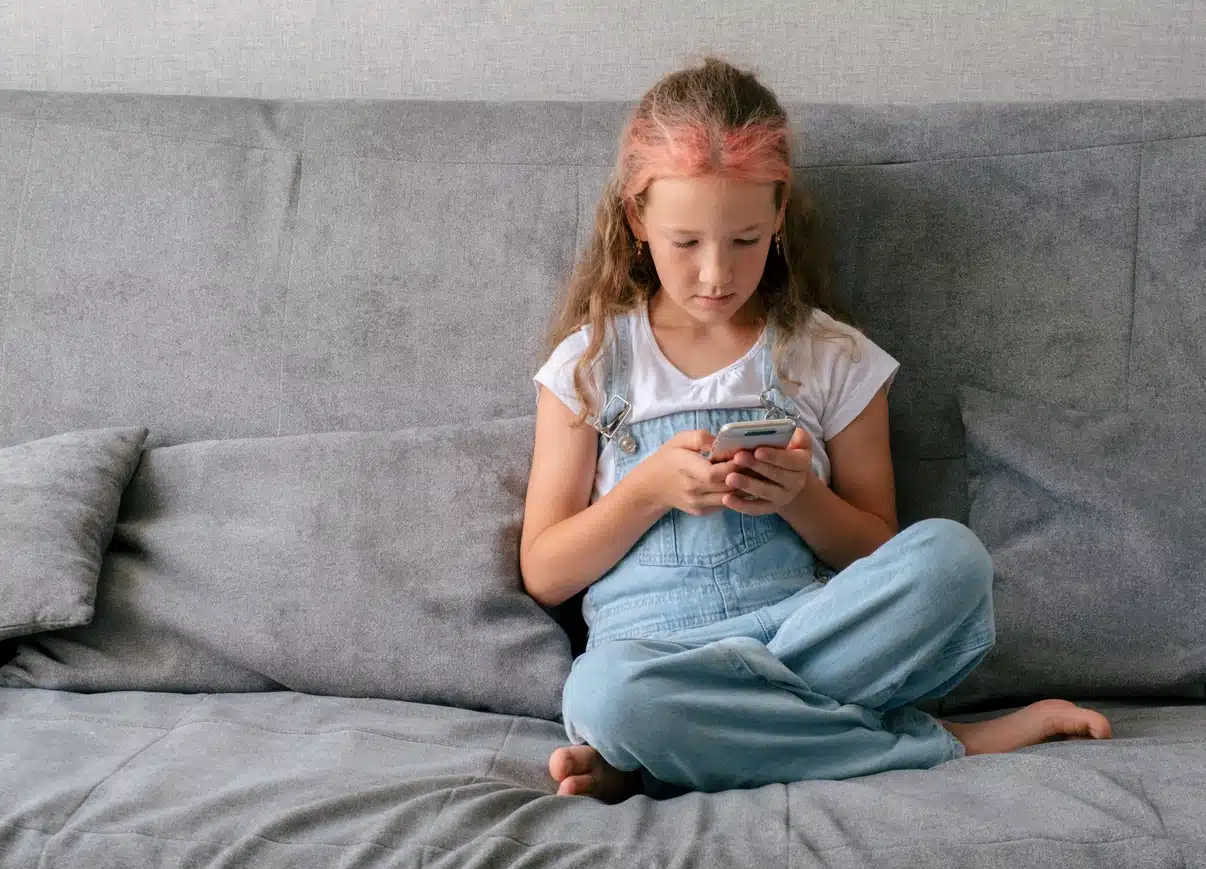
Myopia (nearsightedness) is becoming increasingly common among children, largely due to excessive screen time and reduced outdoor activity. When children spend long hours on phones, tablets, or computers and don’t get enough natural sunlight, their eyes may grow longer than normal, making distant objects appear blurry.
Why is myopia increasing?
- Excessive use of smartphones, tablets, and computers.
- Less time spent playing outdoors.
- Prolonged close-up activities like reading or gaming without breaks.
- Family history of myopia.
Signs your child may have myopia
- Squinting to see distant objects.
- Sitting too close to the TV or holding devices very close.
- Complaining of blurry distance vision or headaches.
- Frequent eye rubbing or blinking.
How parents can help prevent myopia
- Encourage at least 2 hours of outdoor play every day.
- Limit recreational screen time according to your child’s age.
- Follow the 20-20-20 rule: Every 20 minutes, look at something 20 feet away for 20 seconds.
- Ensure good lighting while reading or studying.
- Schedule regular eye examinations, especially if there’s a family history of myopia.
Can myopia be cured?
Myopia cannot usually be reversed, but it can be corrected with glasses or contact lenses. In some children, specially prescribed eye drops, orthokeratology lenses, or myopia-control glasses may help slow its progression under the guidance of an eye specialist.
Early detection and healthy visual habits can significantly reduce the risk of severe myopia and help protect a child’s long-term eye health.
Disclaimer: This article is for informational and educational purposes only and should not be considered medical advice. Always consult a qualified healthcare professional before making any health, diet, or treatment decisions. SehatTak is not responsible for any actions taken based on this information.

