



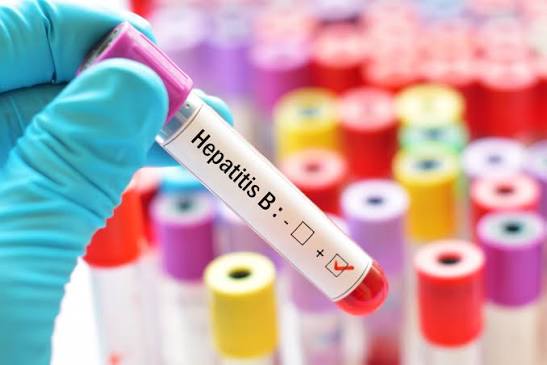
Hepatitis B is one of the most misunderstood infectious diseases. Many people wrongly believe they can catch it by shaking hands, hugging someone, or sharing food. These misconceptions often lead to unnecessary fear and stigma.
The truth is that Hepatitis B spreads through specific body fluids—not through casual everyday contact. Understanding how the virus spreads and how it doesn’t can help protect yourself while treating people living with Hepatitis B fairly and respectfully.
What Is Hepatitis B?
Hepatitis B is a viral infection caused by the Hepatitis B virus (HBV). It primarily affects the liver and can cause both short-term (acute) and long-term (chronic) illness.
Most adults recover completely, but some people—especially infants infected at birth—develop chronic Hepatitis B, which can increase the risk of liver cirrhosis and liver cancer.
Does Hepatitis B Spread Through Touch?
No.
You cannot get Hepatitis B through normal physical contact.
Safe activities include:
- Shaking hands
- Hugging
- Holding hands
- Sitting next to someone
- Working together
- Going to school together
- Using the same toilet
- Sharing public spaces
Simply touching a person with Hepatitis B does not transmit the virus.
Can Hepatitis B Spread Through Sharing Meals?
No.
Sharing food or eating together does not spread Hepatitis B.
You can safely:
- Eat from the same table
- Share cooked meals
- Drink from the same water source
- Use common dining areas
- Attend family gatherings
Even if someone with Hepatitis B prepares your food, there is no risk of transmission through food.
How Does Hepatitis B Actually Spread?
HBV spreads when infected blood or certain body fluids enter another person’s bloodstream.
Common routes include:
1. Unprotected sexual contact
The virus can spread through semen and vaginal fluids.
2. Sharing needles
This includes:
- Injection drug use
- Shared syringes
- Unsafe medical injections
3. Mother-to-child transmission
A mother with Hepatitis B can pass the virus to her baby during childbirth.
Fortunately, newborn vaccination and preventive treatment greatly reduce this risk.
4. Contact with infected blood
Examples include:
- Blood transfusions in places without proper screening
- Needle-stick injuries
- Sharing razors
- Sharing toothbrushes
5. Unsterilized tattoo or piercing equipment
Improperly sterilized instruments can spread the virus.
How Hepatitis B Does NOT Spread
Many myths still exist.
You cannot get Hepatitis B from:
- ❌ Hugging
- ❌ Touching
- ❌ Holding hands
- ❌ Kissing on the cheek
- ❌ Sharing meals
- ❌ Sharing utensils
- ❌ Coughing
- ❌ Sneezing
- ❌ Sweat
- ❌ Tears
- ❌ Mosquito bites
- ❌ Swimming pools
- ❌ Public transportation
Common Myths and Facts
| Myth | Fact |
|---|---|
| Hepatitis B spreads by touch. | False. Casual touch does not spread HBV. |
| Sharing food spreads Hepatitis B. | False. Food is not a transmission route. |
| Mosquitoes spread Hepatitis B. | False. Mosquitoes do not transmit HBV. |
| Only drug users get Hepatitis B. | False. Anyone can become infected. |
| Hepatitis B always causes symptoms. | False. Many people have no symptoms. |
| Hepatitis B has no prevention. | False. Vaccination is highly effective. |
Symptoms of Hepatitis B
Some people never develop symptoms.
Others may experience:
- Fever
- Fatigue
- Loss of appetite
- Nausea
- Vomiting
- Abdominal pain
- Dark urine
- Pale stools
- Joint pain
- Yellowing of the skin and eyes (jaundice)
Symptoms usually appear 1–4 months after infection.
Acute vs Chronic Hepatitis B
Acute Hepatitis B
- Lasts less than six months
- Most healthy adults recover completely
- May clear on its own
Chronic Hepatitis B
- Lasts more than six months
- Can persist for life
- Requires regular medical monitoring
- May need antiviral treatment
Who Is at Higher Risk?
People at increased risk include:
- Healthcare workers
- Babies born to infected mothers
- People with multiple sexual partners
- Injection drug users
- Household contacts of infected individuals
- People requiring frequent blood transfusions
- Individuals on dialysis
Can Hepatitis B Be Prevented?
Yes. Vaccination is the best protection.
The Hepatitis B vaccine is:
- Safe
- Highly effective
- Recommended for infants
- Recommended for adults at risk
- Often given as a series of doses
Practicing safer sex, avoiding shared needles, and ensuring sterile medical or cosmetic equipment also reduce risk.
Is There a Cure?
There is no complete cure for chronic Hepatitis B at present.
However:
- Many people live long, healthy lives with proper care.
- Antiviral medications can suppress the virus.
- Regular liver monitoring helps prevent complications.
Acute Hepatitis B often resolves without specific antiviral treatment.
When Should You Get Tested?
Consider testing if you:
- Had unprotected sex with an infected person
- Shared needles
- Were born in a region where Hepatitis B is common
- Live with someone who has Hepatitis B
- Are pregnant
- Work in healthcare
- Have unexplained liver problems
Early diagnosis improves long-term management.
Living With Someone Who Has Hepatitis B
You can safely:
- Hug them
- Cook together
- Eat together
- Share a home
- Care for children
- Use the same furniture
- Share conversations and daily activities
However, avoid sharing personal items that may have blood on them, such as razors, nail clippers, or toothbrushes.
Why Do These Myths Persist?
Misunderstandings often arise because Hepatitis B affects the liver and is sometimes confused with illnesses that spread more easily through casual contact. In reality, HBV requires direct exposure to infected blood or certain body fluids to spread. Correct information helps reduce fear and discrimination while encouraging people to get tested and vaccinated.
Key Takeaways
- Hepatitis B does not spread through touching, hugging, or shaking hands.
- Sharing meals, food, or utensils does not transmit Hepatitis B.
- The virus spreads through infected blood, sexual contact, shared needles, and from mother to baby during childbirth.
- Vaccination is the most effective way to prevent infection.
- Early testing and medical care can help people with chronic Hepatitis B stay healthy and reduce the risk of serious liver disease.

