



Drug abuse among children and teenagers has become a growing concern worldwide. While peer pressure, social media, and easy access to addictive substances are often blamed, many experts believe that the family environment plays an equally important role. A recent survey has drawn attention to one major parenting mistake that may significantly increase the risk of children turning toward drugs.
The Biggest Parenting Mistake: Lack of Emotional Connection
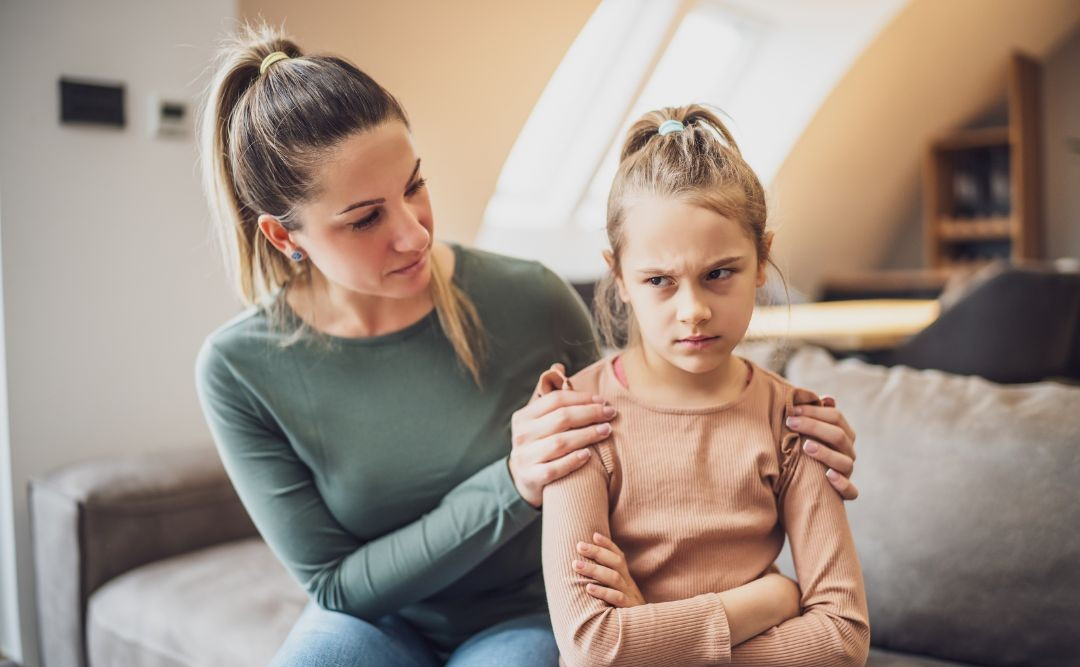
According to the survey, the most damaging mistake parents make is failing to build a strong emotional bond with their children. This doesn’t necessarily mean parents don’t love their children. Instead, it often results from being too busy, spending little quality time together, poor communication, or focusing only on academics and discipline.
Children who feel ignored, misunderstood, or emotionally isolated may seek comfort, acceptance, or relief elsewhere. In some cases, they become more vulnerable to experimenting with drugs or other harmful substances.
What the Survey Revealed
The survey highlighted several concerning trends:
- Children who reported weak communication with their parents were more likely to experiment with drugs.
- Teenagers who felt emotionally neglected showed higher levels of stress, anxiety, and risky behavior.
- Excessive pressure to perform well in school without emotional support increased the likelihood of substance abuse.
- Lack of parental supervision and awareness of children’s friends and activities was another major risk factor.
Why Emotional Support Matters
Experts explain that children need more than food, education, and financial security. They also need:
- Love and affection
- Trust and open communication
- Encouragement without excessive pressure
- A safe environment where they can express their feelings without fear of punishment
When these emotional needs are unmet, some children may look for temporary relief through alcohol, cigarettes, vaping, or illegal drugs.
Other Factors That Increase the Risk
Although parenting is important, drug abuse usually results from multiple factors, including:
- Peer pressure
- Mental health issues such as anxiety or depression
- Exposure to drugs in the community
- Social media influence
- Family conflict or domestic violence
- Academic stress
Warning Signs Parents Should Never Ignore
Parents should pay attention if their child shows:
- Sudden changes in behavior or personality
- Falling academic performance
- Secretive habits
- Loss of interest in hobbies
- New friend groups with suspicious behavior
- Mood swings or unusual aggression
- Changes in sleep or eating patterns
These signs do not always indicate drug use, but they deserve attention and open conversation.
How Parents Can Protect Their Children
Experts recommend the following steps:
- Spend quality time with your children every day.
- Listen without immediately judging or criticizing.
- Know your child’s friends and daily activities.
- Discuss the dangers of drugs honestly and age-appropriately.
- Encourage sports, hobbies, and creative activities.
- Seek professional help if you notice persistent behavioral changes.
Final Thoughts
The survey serves as an important reminder that preventing drug abuse begins at home. Strong emotional connections, open communication, and supportive parenting can significantly reduce the chances of children turning to drugs. While no single factor determines whether a child will develop substance abuse problems, a caring and involved family environment remains one of the strongest protective influences.

