



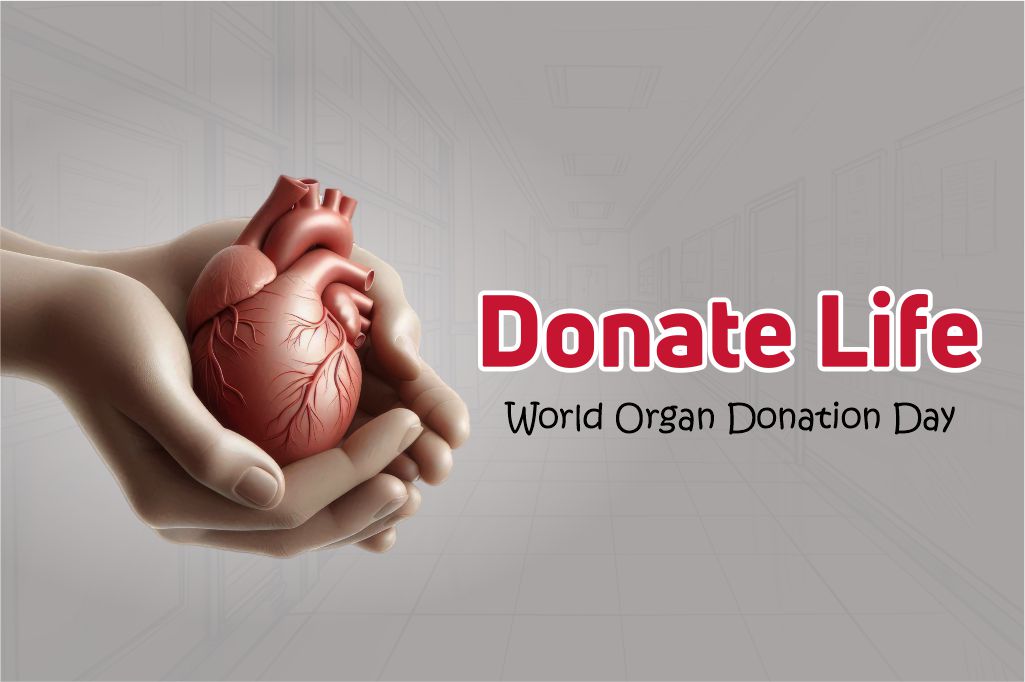
Every year, World Organ Donation Day is observed on August 13 to raise awareness about the importance of organ donation and encourage people to pledge their organs after death. The day serves as a reminder that a single donor can save multiple lives by donating healthy organs and tissues to patients suffering from life-threatening diseases and organ failure.
Millions of people around the world are waiting for organ transplants, but the demand for donor organs continues to far exceed the supply. World Organ Donation Day aims to educate people about the life-saving impact of organ donation and inspire them to make informed decisions about becoming donors.
What Is Organ Donation?
Organ donation is the process of voluntarily donating healthy organs or tissues to a person in need of a transplant. Donation can occur either during a person’s lifetime or after death, depending on the organ or tissue being donated.
Organ transplantation has become one of the most successful medical procedures, offering a second chance at life to patients with severe organ damage or failure.
Why Is World Organ Donation Day Important?
The primary objective of World Organ Donation Day is to spread awareness about the critical need for organ donors and to dispel myths and misconceptions surrounding the donation process.
The day highlights the fact that many patients die while waiting for a suitable organ donor. By increasing awareness and encouraging donor registration, more lives can be saved through timely transplantation.
History of World Organ Donation Day
World Organ Donation Day was established to promote the importance of organ donation globally and encourage discussions around donor registration. Over the years, healthcare organizations, hospitals, and awareness groups have used this day to educate the public about how organ donation can transform lives.
The observance has become an important platform for recognizing organ donors and expressing gratitude to families who make the selfless decision to donate organs after the loss of a loved one.
Which Organs Can Be Donated?
Several organs and tissues can be donated to help patients in need.
Organs that can be donated include:
- Heart
- Kidneys
- Liver
- Lungs
- Pancreas
- Intestines
Tissues that can be donated include:
- Corneas (eyes)
- Skin
- Bone
- Heart valves
- Tendons
A single organ donor can potentially save multiple lives and improve the quality of life for many others through tissue donation.
Types of Organ Donation
- Living Donation
Living individuals can donate certain organs or parts of organs while remaining healthy. For example, a person may donate one kidney or a portion of their liver.
- Deceased Donation
After a person’s death, healthy organs and tissues may be donated for transplantation if consent has been provided by the donor or their family.
Common Myths About Organ Donation
Myth 1: Doctors will not try to save my life if I am an organ donor.
Fact: Medical teams always prioritize saving a patient’s life. Organ donation is only considered after every possible life-saving effort has been exhausted.
Myth 2: Organ donation is against religious beliefs.
Fact: Most major religions support organ donation as an act of compassion, generosity, and helping others.
Myth 3: I am too old to donate organs.
Fact: Age alone does not determine eligibility. The condition of the organs is more important than the donor’s age.
Myth 4: Organ donation disfigures the body.
Fact: Organ retrieval is performed with great care and respect by trained medical professionals.
Benefits of Organ Donation
Saves Lives
Organ transplantation offers life-saving treatment for patients with organ failure.
Improves Quality of Life
Recipients often experience better health, greater independence, and improved well-being after transplantation.
Creates a Lasting Legacy
Organ donation allows a person to leave behind a meaningful legacy by helping others live healthier lives.
Supports Medical Advancement
Donation can contribute to medical research and advancements in transplantation science.
How Can You Become an Organ Donor?
- Register as an organ donor through the appropriate government or healthcare authority.
- Inform your family about your decision.
- Carry donor registration information if available in your country.
- Participate in awareness campaigns to encourage others to consider donation.
World Organ Donation Day 2026 Theme
The theme for World Organ Donation Day may vary each year depending on awareness campaigns and healthcare initiatives. The central message remains the same: encouraging more people to pledge their organs and help save lives.
Conclusion
World Organ Donation Day is more than just an awareness event—it is a call to action. Organ donation has the power to save lives, restore hope, and transform families affected by organ failure. By understanding the importance of donation and spreading awareness, individuals can contribute to a future where fewer patients have to wait for a life-saving transplant.

