



Accidents can happen anytime—whether it is a small cut while working in the kitchen, a minor burn while cooking, or a sprain after a sudden fall. Knowing what to do in the first few minutes can help prevent the injury from getting worse. Here are five basic first-aid rules everyone should know.
1. For a Cut: Stop the Bleeding First
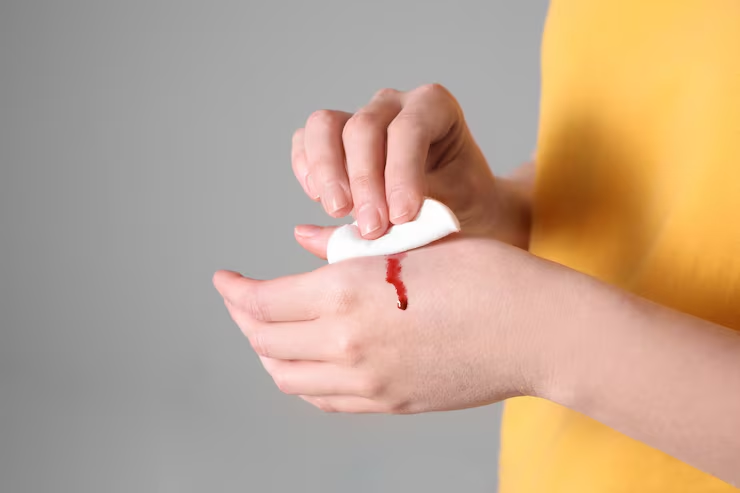
If a cut is bleeding, wash your hands if possible and apply gentle, steady pressure with clean gauze or cloth. Keep the pressure on until the bleeding stops.
Once bleeding is controlled, rinse the wound with clean running water and cover it with a clean dressing. Avoid repeatedly touching the wound or applying substances such as toothpaste, coffee powder or mud.
If the bleeding is heavy, does not stop with pressure, or the wound is deep or widely open, seek medical attention promptly.
2. For a Burn: Cool It With Running Water
For a minor thermal burn, immediately cool the affected area under cool running water for about 20 minutes. This can help reduce pain and limit further tissue damage.
Remove jewellery or tight items near the burned area if they are not stuck to the skin. Do not apply ice directly to the burn, and avoid butter, toothpaste or other household remedies.
Large, deep, chemical or electrical burns require urgent medical care.
3. For a Sprain: Protect and Rest the Injured Area
A sprain occurs when a ligament is stretched or torn, commonly around the ankle, wrist or knee. Stop the activity and avoid putting unnecessary weight or pressure on the injured area.
For the first couple of days, rest and protecting the joint can help. Cold packs wrapped in a cloth may be used for short periods to reduce pain and swelling. Elevating the injured limb can also help control swelling.
If you cannot bear weight, the joint looks deformed, or pain and swelling are severe, get medical evaluation because a fracture may also be possible.
4. For a Nosebleed: Sit Up and Lean Forward
If someone has a nosebleed, have them sit upright and lean slightly forward. Pinch the soft part of the nose continuously for around 10–15 minutes while breathing through the mouth.
Do not tilt the head backwards, as blood can flow down the throat. If the bleeding is heavy or continues despite sustained pressure, medical attention may be needed.
5. For a Suspected Fracture: Keep the Area Still
If an injury causes severe pain, swelling, deformity or inability to use a limb normally, a fracture should be considered. Do not try to straighten the injured body part yourself.
Keep it as still as possible and seek medical help. If there is a serious injury or the person has difficulty breathing, loses consciousness or has heavy bleeding, call emergency services immediately.
A Few First-Aid Mistakes to Avoid
Some traditional home remedies can actually make injuries worse. Avoid putting ice directly on a burn, applying toothpaste or butter to burns, using unclean materials on open wounds, or trying to force a dislocated or fractured joint back into position.
Bottom Line
Knowing basic first aid can make a real difference during an emergency. For cuts, control bleeding; for burns, cool the area with running water; for sprains, protect and rest the injured joint; and for suspected fractures, keep the area still and seek medical care. When an injury is severe or you are unsure about its seriousness, professional medical evaluation is the safest option.

