



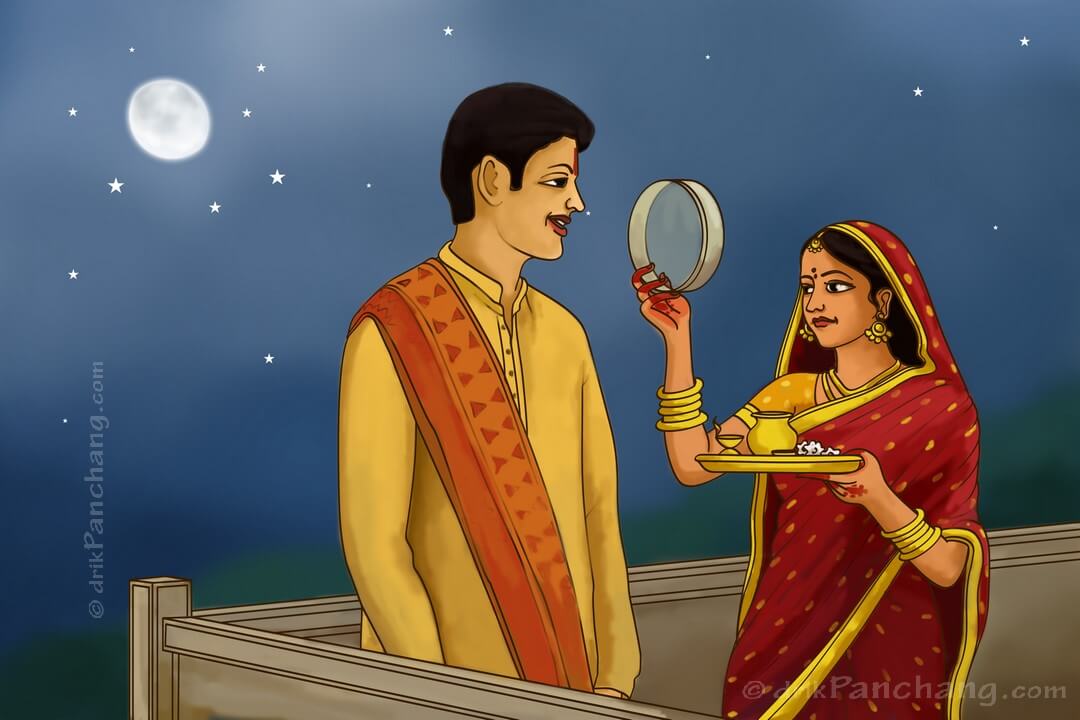
Karwa Chauth is an important festival during which many married women observe a fast from sunrise until moonrise, abstaining from both food and water. While the fast holds cultural and emotional significance, going without water for several hours can lead to dehydration, particularly during hot weather or when a person is physically active. Understanding the warning signs and taking appropriate precautions can help women protect their health while observing the festival.
1. What Happens to the Body During a Waterless Fast?
When you do not drink water for several hours, your body continues to lose fluids through sweating, urination and breathing. If these fluids are not replenished, dehydration can develop. Its severity depends on factors such as temperature, physical activity, health conditions and the amount of fluid consumed before the fast.
2. Recognise the Early Symptoms of Dehydration
Some common warning signs include:
- Excessive thirst and a dry mouth.
- Dark yellow urine or urinating less frequently.
- Headache and unusual tiredness.
- Dizziness, particularly when standing up.
- Muscle cramps and general weakness.
These symptoms should not be ignored, especially if they become progressively worse.
3. Severe Dehydration Can Be Dangerous
Significant fluid loss can affect blood circulation and the body’s ability to regulate temperature. Warning signs include confusion, fainting, a rapid heartbeat, rapid breathing and extreme weakness. These symptoms require urgent medical attention. Severe dehydration can become life-threatening if treatment is delayed.
4. Who Should Be Especially Careful?
Waterless fasting may carry additional risks for people with diabetes, kidney disease, heart conditions or a history of fainting. Pregnant or breastfeeding women, older adults and people taking medicines that affect fluid balance should seek individual medical advice before fasting.
5. How Can You Prepare Before Karwa Chauth?
If you plan to observe the fast, consider these precautions:
- Drink water regularly before the fast begins rather than consuming a large amount all at once.
- Choose balanced pre-fast meals containing complex carbohydrates, protein and fibre.
- Include water-rich foods, such as cucumber, watermelon and curd, before fasting begins.
- Avoid excessive caffeine, alcohol and very salty foods, which may worsen thirst or fluid loss.
- Avoid strenuous exercise and prolonged exposure to heat during the fast.
6. What Should You Do If You Feel Dizzy or Weak?
Stop physical activity and sit or lie down somewhere cool. If you experience signs of dehydration, particularly dizziness or worsening weakness, break the fast and drink water. If you are fully alert and able to swallow, take small, frequent sips. Seek urgent medical help for fainting, confusion, severe weakness, breathing difficulties or other serious symptoms.
7. How Should You Rehydrate After Breaking the Fast?
Once the fast ends, drink water gradually and eat a balanced meal. Water-rich foods, soups and other fluids can help restore hydration. If substantial fluid loss has occurred, oral rehydration solution (ORS) may be useful. People with kidney or heart conditions who have been advised to restrict fluids should follow their healthcare professional’s instructions.
The Bottom Line
Karwa Chauth fasting is a meaningful tradition for many women, but going without water is not without health risks. Recognising dehydration symptoms, avoiding excessive heat and physical exertion, and responding promptly to warning signs are important. Health should always come first—do not ignore severe symptoms or continue fasting when you feel unwell.

