



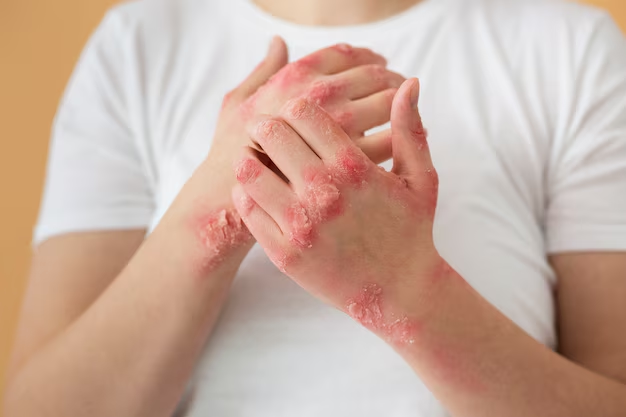
The liver plays an important role in digestion, removing harmful substances from the blood, processing nutrients, and producing essential proteins. Sometimes, liver disease can cause visible changes in the palms of your hands. Recognizing these signs early may help you seek medical attention before complications develop.
7 Palm Changes That May Indicate Liver Problems
1. Redness of the palms
Unusual redness of the palms, particularly around the base of the thumb and little finger, is known as palmar erythema. It can occur in people with chronic liver disease, although pregnancy and other conditions can also cause it.
2. Yellowing of the skin
Yellowish skin may indicate jaundice, which occurs when bilirubin builds up in the body. Yellowing of the whites of the eyes is another important warning sign and requires prompt medical evaluation.
3. Persistent itching
Liver and bile duct conditions can cause itching, sometimes without a visible rash. The itching may affect the palms and soles, although many other conditions can cause similar symptoms.
4. Visible blood vessels
Small, spider-shaped blood vessels, known as spider angiomas, may appear on the skin in people with chronic liver disease. They are more commonly seen on the face, neck, and upper chest than on the palms.
5. Swelling in the hands
Fluid retention can sometimes cause swelling in people with advanced liver disease. However, hand swelling alone is not a reliable indicator of liver problems and may have other causes.
6. Easy bruising and unusual bleeding
The liver produces proteins that help blood clot. When liver function is significantly impaired, a person may bruise easily or experience unusual bleeding. These symptoms should not be ignored.
7. Nail changes along with palm symptoms
Some people with chronic liver disease develop pale nails, changes in nail shape, or other nail abnormalities. These changes are not specific to liver disease and need to be assessed alongside other symptoms.
When Should You Consult a Doctor?
Seek medical advice if palm changes persist or occur alongside fatigue, loss of appetite, abdominal swelling, dark urine, pale stools, or unexplained weight loss.
- Yellow skin or eyes: Seek prompt medical evaluation.
- Confusion, vomiting blood, or black, tarry stools: Seek emergency medical care.
- Persistent itching or unexplained redness: Consult a doctor, who may recommend liver function tests and other investigations.
Conclusion: Changes in your palms can sometimes provide clues about your health, but they cannot confirm liver disease on their own. Early medical evaluation and appropriate testing can help identify the underlying cause and guide treatment.

