



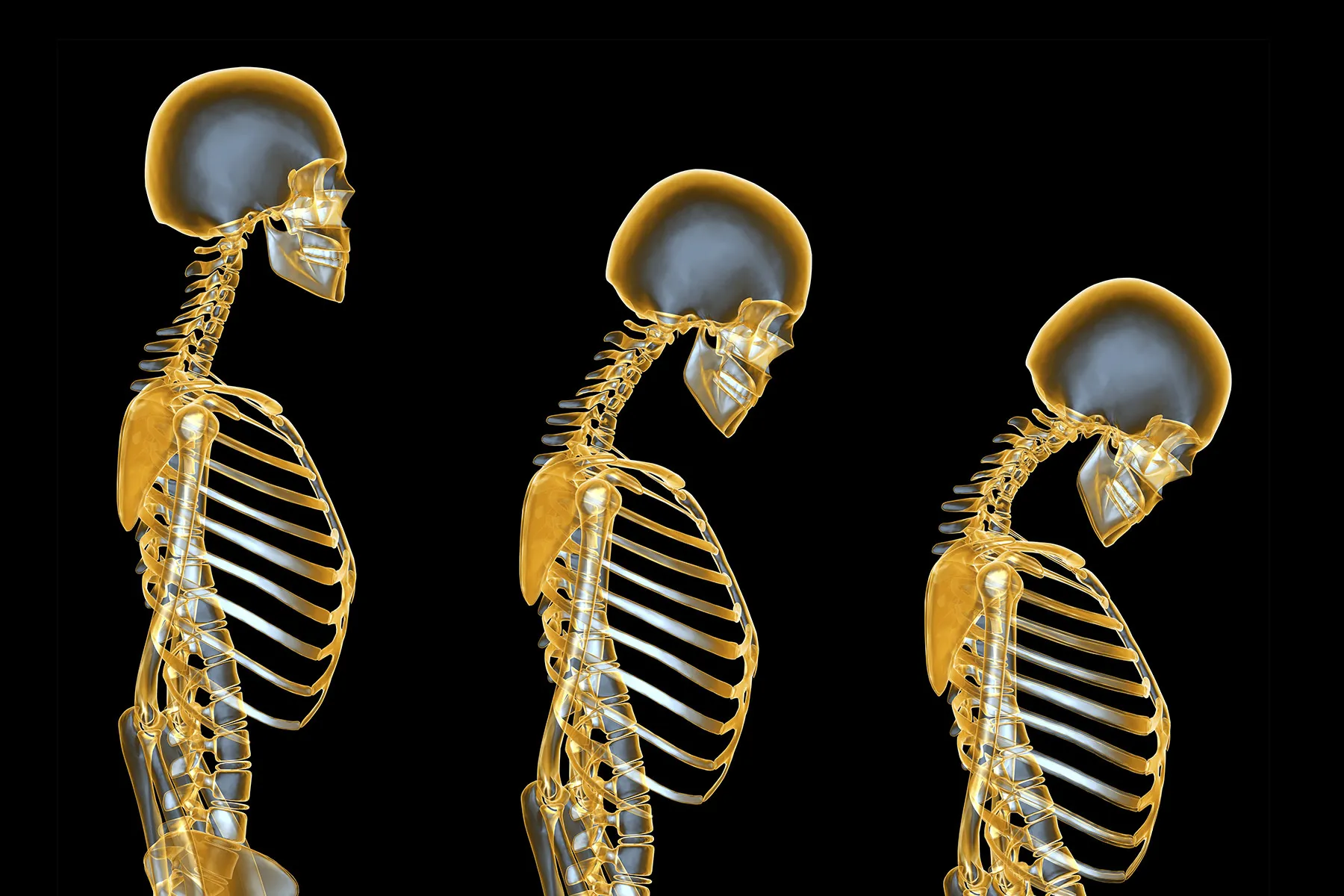
Osteoporosis is a bone disease that develops when bones lose their density and strength, making them fragile and more likely to break. A minor fall, a slight bump, or an everyday movement that results in a fracture may sometimes indicate an underlying bone health problem. Although osteoporosis is more common among older adults, particularly women after menopause, it can affect people of different ages depending on their health, lifestyle, and medical history. The condition often progresses silently, without noticeable symptoms in its early stages. Understanding its warning signs, risk factors, diagnosis, and prevention methods can help people take timely action and reduce the risk of serious fractures.
1. What Is Osteoporosis and How Does It Weaken Bones?
Osteoporosis occurs when the body loses too much bone, produces too little bone, or both. Healthy bones constantly undergo a natural process in which old bone tissue is broken down and new bone tissue is formed. When this balance is disrupted, bones gradually become less dense and their internal structure weakens. As a result, they become more susceptible to fractures, particularly in the hip, wrist, and spine. The condition does not always cause immediate discomfort, which is why many people remain unaware of it until a fracture occurs. Early assessment is important because treatment and lifestyle changes can help protect bone strength and reduce the risk of future fractures.
2. Why Can a Minor Injury Lead to a Broken Bone?
A fracture following a minor fall or a seemingly harmless injury can sometimes be a warning sign of osteoporosis. When bones have become fragile, they may not withstand the level of force that healthy bones normally tolerate. For example, a person may fracture a wrist after falling from a standing height or experience a spinal fracture during an ordinary movement such as bending or lifting. However, not every fracture caused by an injury indicates osteoporosis. Doctors consider the type of fracture, the force involved, the person’s age, medical history, and other risk factors before recommending further investigations. A fracture following a minor injury, particularly in an older adult, should be medically evaluated to determine whether an underlying bone condition is present.
3. Osteoporosis Often Develops Without Early Symptoms
One of the biggest challenges with osteoporosis is that it usually does not cause obvious symptoms during its early stages. People may continue their daily activities without experiencing pain or noticing any changes in their bones. Unlike some conditions that produce immediate discomfort, osteoporosis can gradually reduce bone strength over several years. In many cases, the first noticeable sign is a fracture. Some people may also develop persistent back pain, a gradual reduction in height, or a stooped posture when weakened vertebrae develop compression fractures. These symptoms do not always indicate osteoporosis, but they should not be ignored, especially in people with other risk factors. Regular medical assessment can help identify those who may benefit from bone density testing.
4. Recognise the Warning Signs That Should Not Be Ignored
Although osteoporosis itself is often symptomless, certain changes may indicate weakened bones or fractures that require medical attention. These include a fracture after a minor fall, persistent or sudden back pain, gradually losing height, and developing a more rounded upper back. Spinal compression fractures can sometimes occur without a clearly remembered injury and may cause pain that worsens with movement. Other people may experience little pain despite having a vertebral fracture. It is important to understand that general tiredness, joint pain, or muscle aches alone are not reliable indicators of osteoporosis. If you notice unexplained height loss, sudden severe back pain, or a fracture after a minor injury, consult a healthcare professional rather than assuming the problem is simply part of ageing.
5. Who Is at Greater Risk of Developing Osteoporosis?
Several factors can increase a person’s risk of developing osteoporosis. Age is an important factor because bone density tends to decline over time. Women have a higher risk after menopause because reduced oestrogen levels accelerate bone loss. A family history of osteoporosis or hip fractures may also increase risk. Other contributing factors include low body weight, inadequate calcium and vitamin D intake, limited physical activity, smoking, excessive alcohol consumption, and certain medical conditions that affect bone health. Long-term use of some medicines, including glucocorticoid steroids, can also contribute to bone loss. People with these risk factors should discuss their bone health with a healthcare professional to determine whether preventive measures or a bone density assessment are appropriate.
6. How Is Osteoporosis Diagnosed?
Osteoporosis cannot be reliably diagnosed from symptoms alone. Doctors usually consider a person’s age, medical history, previous fractures, family history, medications, and other risk factors before deciding which tests are necessary. A bone mineral density test called a DXA or DEXA scan is commonly used to measure bone density, particularly at the hip and spine. The results help healthcare professionals assess bone health and determine whether osteoporosis is present. In some situations, blood tests may also be recommended to investigate conditions that affect bone metabolism, including problems involving calcium, vitamin D, or thyroid function. People who have experienced a fracture after a minor injury should ask their doctor whether an osteoporosis assessment is appropriate, even if they feel well otherwise.
7. The Role of Calcium and Vitamin D in Bone Health
Calcium and vitamin D are essential nutrients for maintaining strong bones. Calcium helps build and maintain bone tissue, while vitamin D supports the absorption of calcium from the digestive system. When the body does not receive enough of these nutrients over time, bone health may be affected. Good dietary sources of calcium include milk, curd, paneer, calcium-fortified foods, and certain green vegetables. Vitamin D can be obtained through selected foods, fortified products, and sunlight exposure, although the amount produced through sunlight varies depending on several factors. People with a deficiency may need supplements following medical advice. However, calcium and vitamin D supplements alone are not sufficient to treat every case of osteoporosis, and unnecessary high doses should be avoided.
8. Exercise and Daily Habits That Help Protect Bones
Regular physical activity plays an important role in maintaining bone strength, muscle function, balance, and mobility. Weight-bearing activities, such as walking, and muscle-strengthening exercises can help support bone health. Balance exercises may also reduce the likelihood of falls, which is particularly important for older adults. People who already have osteoporosis or a history of fractures should seek professional guidance before starting high-impact exercises or activities involving significant bending and twisting of the spine. Avoiding smoking, limiting alcohol consumption, eating a balanced diet, and maintaining a healthy body weight can also contribute to better bone health. Small, consistent lifestyle changes can support prevention, although people with established osteoporosis may also require medical treatment.
9. Can Osteoporosis Be Treated?
Although osteoporosis cannot always be completely reversed, effective treatments are available to reduce bone loss and lower the risk of fractures. Treatment depends on the person’s bone density, age, fracture history, overall health, and individual risk factors. Doctors may prescribe medicines that slow bone breakdown or help build bone in people who need them. Adequate nutrition, appropriate exercise, fall prevention, and correction of vitamin D or calcium deficiencies may form part of the treatment plan. People who have already experienced a fragility fracture may need prompt assessment because their risk of another fracture can be higher. Treatment should be individualised, and prescribed medicines should not be stopped or changed without consulting the treating healthcare professional.
10. When Should You Seek Medical Advice?
Do not ignore a fracture that occurs after a minor fall or an activity that would not usually break a healthy bone. Seek medical advice if you experience unexplained height loss, persistent back pain, a stooped posture, or repeated fractures. Sudden severe back pain after a minor movement should also be assessed, especially if osteoporosis is a possibility. If a fall causes severe pain, visible deformity, inability to stand or bear weight, or a suspected hip fracture, seek urgent medical care and avoid trying to move the injured area unnecessarily. Early diagnosis can help identify the cause of the fracture, guide appropriate treatment, and reduce the likelihood of future injuries.
Conclusion
Osteoporosis is often called a silent bone disease because it can weaken bones for years without producing noticeable symptoms. A fracture following a minor injury may be one of the first signs that bone strength needs attention. Recognising risk factors, maintaining adequate calcium and vitamin D intake, staying physically active, preventing falls, and seeking medical advice when warning signs appear can all help protect bone health. A minor injury does not automatically mean that someone has osteoporosis, but an unexpected fracture should never be dismissed without appropriate evaluation. Early diagnosis and timely treatment can make a meaningful difference in reducing future fracture risk and maintaining mobility and independence.

