



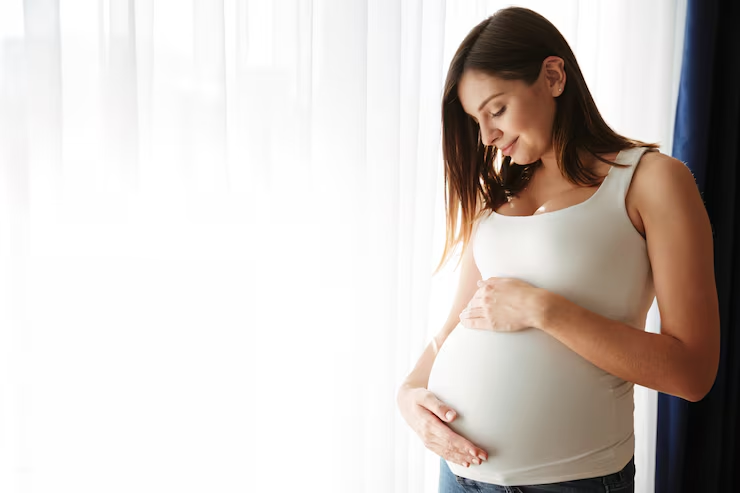
Pollution can affect a child’s health even before birth, while the baby is still developing inside the mother’s womb. Exposure to polluted air, toxic chemicals, heavy metals and other environmental pollutants during pregnancy can interfere with the baby’s growth and development.
These effects may begin during pregnancy and can continue into childhood and adulthood. Here are 48 possible health risks associated with prenatal pollution exposure.
1. Effects on pregnancy and birth
- Premature Birth: Air pollution may increase the risk of a baby being born before completing 37 weeks of pregnancy.
- Low Birth Weight: Exposure to pollutants can affect fetal growth, resulting in a baby weighing less than expected.
- Restricted Fetal Growth: Harmful substances may interfere with the baby’s normal development inside the womb.
- Stillbirth: Severe environmental exposures and air pollution have been associated with an increased risk of stillbirth.
- Miscarriage: Certain toxic chemicals and pollutants may increase the risk of pregnancy loss.
- Placental Damage: Some pollutants may affect the placenta, which supplies oxygen and nutrients to the baby.
- Reduced Oxygen Supply: Air pollution may affect oxygen delivery to the developing baby.
- Pregnancy Complications: Exposure to environmental pollutants may contribute to complications such as high blood pressure during pregnancy.
2. Effects on brain and nervous system
- Delayed Brain Development: Prenatal exposure to pollutants may interfere with the baby’s developing brain.
- Learning Difficulties: Children may experience difficulties in understanding and learning new things.
- Memory Problems: Some environmental toxins may affect memory development.
- Poor Concentration: Exposure to certain pollutants has been linked with attention-related difficulties.
- Behavioural Problems: Prenatal pollution exposure may increase the risk of behavioural difficulties.
- ADHD Risk: Some studies have associated prenatal air pollution exposure with a higher risk of attention-deficit/hyperactivity disorder.
- Autism Spectrum Disorder: Research has explored possible links between prenatal pollution exposure and autism, although the evidence is not conclusive.
- Reduced Cognitive Abilities: Certain pollutants may affect the development of thinking and problem-solving skills.
3. Effects on lungs and respiratory health
- Poor Lung Development: Pollutants may interfere with the development of the baby’s lungs.
- Childhood Asthma: Prenatal exposure to air pollution may increase the risk of asthma.
- Frequent Respiratory Infections: Children may become more vulnerable to respiratory illnesses.
- Reduced Lung Function: Exposure to harmful particles may affect how efficiently the lungs work.
- Wheezing: Children may experience repeated wheezing and breathing difficulties.
- Chronic Respiratory Problems: Early exposure to pollution may contribute to long-term respiratory health issues.
- Airway Inflammation: Harmful particles can contribute to inflammation in the respiratory system.
- Increased Allergy Risk: Some studies suggest that prenatal pollution exposure may influence the development of allergic conditions.
4. Effects on heart and metabolism
- High Blood Pressure: Early environmental exposure may influence blood pressure regulation later in life.
- Heart Development Problems: Certain toxic exposures may interfere with normal cardiovascular development.
- Increased Heart Disease Risk: Prenatal exposure to some pollutants has been associated with long-term cardiovascular risks.
- Insulin Resistance: Certain environmental chemicals may interfere with the body’s ability to regulate insulin.
- Type 2 Diabetes Risk: Some prenatal chemical exposures have been investigated for their possible association with metabolic disorders.
- Obesity Risk: Environmental pollutants may influence metabolism and body-weight regulation.
- Cholesterol Imbalance: Certain chemical exposures may affect the body’s metabolic processes.
- Metabolic Disorders: Early exposure to environmental toxins may contribute to changes in metabolic health.
5. Effects on immunity and overall development
- Weak Immune Response: Some pollutants may interfere with the development of the immune system.
- Increased Infection Risk: Changes in immune development may affect how the body responds to infections.
- Skin Allergies: Environmental exposures may influence the risk of certain allergic skin conditions.
- Eczema: Prenatal exposure to some pollutants has been associated with an increased risk of childhood eczema.
- Hormonal Imbalance: Endocrine-disrupting chemicals may interfere with normal hormone functioning.
- Thyroid Problems: Certain environmental chemicals may affect thyroid hormone regulation.
- Reproductive Health Problems: Exposure to some toxic chemicals during development may affect reproductive health later in life.
- Delayed Physical Development: Harmful environmental exposures may interfere with normal growth and development.
6. Long-term health and developmental risks
- Kidney Development Problems: Certain toxic substances, including heavy metals, may affect kidney development.
- Liver Function Changes: Some chemical exposures may interfere with normal liver functioning.
- Hearing Problems: Exposure to certain toxic substances may affect hearing development.
- Vision Development Problems: Some environmental toxins may interfere with normal visual development.
- Bone Development Issues: Certain pollutants may affect bone growth and mineral development.
- Increased Oxidative Stress: Pollution can increase oxidative stress, potentially damaging developing cells.
- Cellular Damage: Some toxic chemicals can damage cells and interfere with normal development.
- Long-term Developmental Difficulties: Early exposure to environmental pollutants may have lasting effects on physical, neurological and overall development.
How can pregnant women reduce exposure to pollution?
- Avoid unnecessary outdoor activities when air quality is poor.
- Keep windows closed during periods of heavy pollution.
- Use a properly maintained air purifier indoors, if available.
- Avoid cigarette smoke and secondhand smoking.
- Wash fruits and vegetables properly before eating.
- Avoid burning waste, incense or other materials excessively indoors.
- Follow a balanced diet and attend regular pregnancy check-ups.
Important: These 48 points describe potential health risks, not guaranteed outcomes. The risk depends on the type of pollutant, level and duration of exposure, and individual health factors. Pollution exposure does not mean that a child will necessarily develop these conditions.
Disclaimer: This article is for informational and educational purposes only and should not be considered medical advice. Always consult a qualified healthcare professional before making any health, diet, or treatment decisions. SehatTak is not responsible for any actions taken based on this information.

