



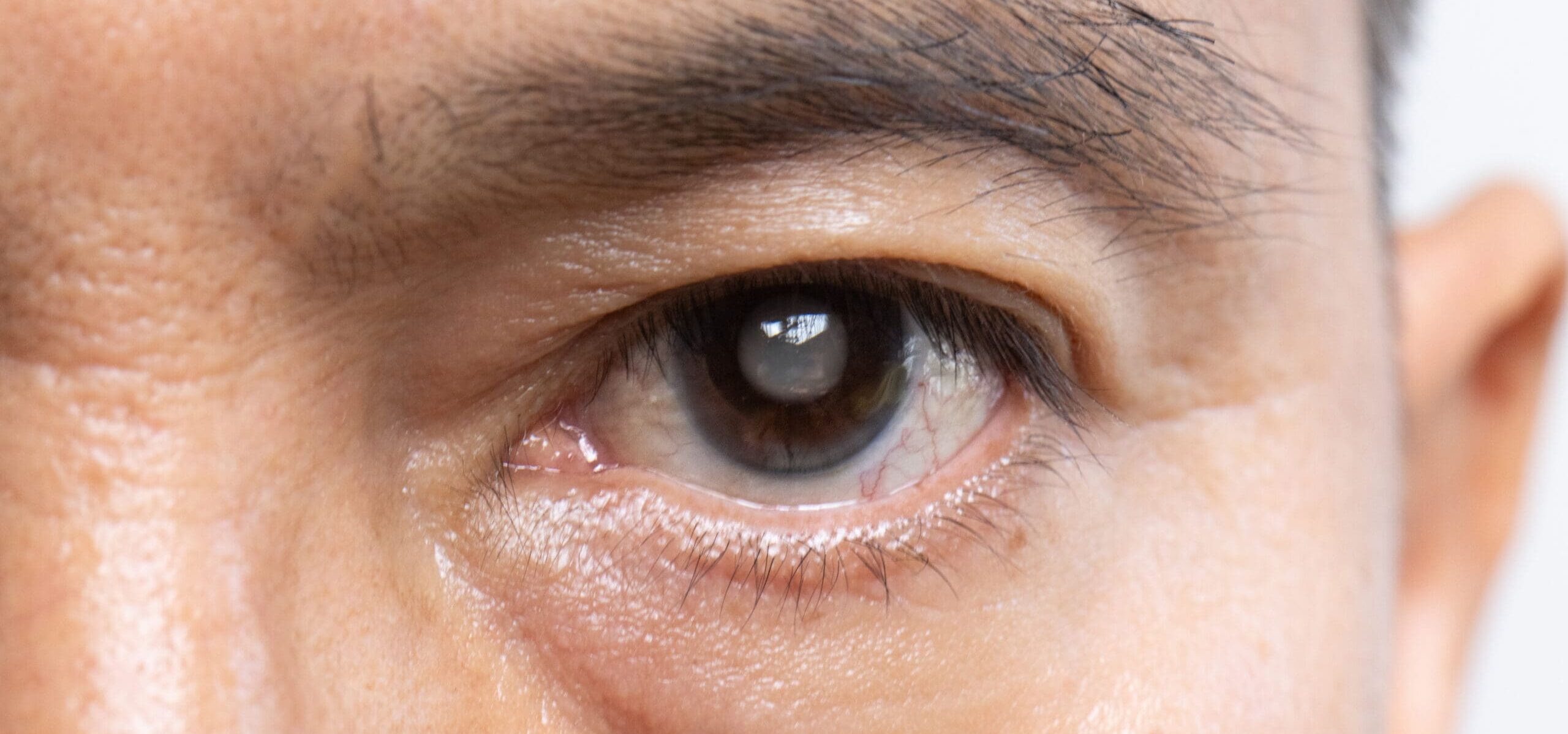
Glaucoma is one of the leading causes of irreversible blindness worldwide. What makes this eye disease particularly dangerous is that it can develop silently without causing noticeable symptoms in its early stages. Many people continue to see clearly and assume their eyes are healthy, while damage may already be occurring to the optic nerve. Glaucoma is commonly associated with increased pressure inside the eye, although it can also develop when eye pressure is normal. If left untreated, it can gradually damage vision and may eventually lead to permanent blindness. Here are seven important things everyone should know about glaucoma and how to protect their eyesight.
1. Glaucoma Can Develop Without Warning Signs
One of the biggest dangers of glaucoma is that it often develops without noticeable symptoms. In the early stages, people may experience no pain, irritation or changes in their eyesight. This is why regular eye examinations are important, even when your vision seems perfectly normal.
2. Increased Eye Pressure Can Damage the Optic Nerve
The optic nerve carries visual information from the eyes to the brain. In many cases, increased pressure inside the eye can damage this nerve over time. However, glaucoma can also occur in people with normal eye pressure. Once the optic nerve is damaged, the lost vision cannot usually be restored.
3. Peripheral Vision Is Often Affected First
Glaucoma usually affects side vision before central vision. People may not notice these changes initially because their ability to see objects directly in front of them remains normal. As the disease progresses, peripheral vision gradually becomes narrower, creating tunnel vision in advanced stages.
4. Age and Family History Increase the Risk
Although glaucoma can affect people of different ages, the risk generally increases after the age of 40. People with a family history of glaucoma, diabetes, high eye pressure or certain other eye conditions may also have a higher risk. Regular screening is particularly important for those with these risk factors.
5. Regular Eye Check-ups Are Essential
Since glaucoma may not cause early symptoms, routine eye examinations are one of the best ways to detect it. An eye specialist may check eye pressure, examine the optic nerve, test peripheral vision and assess the drainage system of the eye. Early diagnosis can help prevent further vision loss.
6. Treatment Can Help Protect Your Remaining Vision
Although glaucoma-related vision loss is generally irreversible, treatment can slow or prevent further damage. Depending on the condition, doctors may recommend prescription eye drops, laser treatment or surgery to lower eye pressure. Following the prescribed treatment regularly is extremely important.
7. Never Ignore Sudden Eye Pain or Blurred Vision
Some types of glaucoma, particularly acute angle-closure glaucoma, can develop suddenly. Warning signs may include severe eye pain, headache, blurred vision, redness, nausea and vomiting. This is a medical emergency and requires immediate medical attention to protect eyesight.
Important Tips to Protect Your Eyes
- Get regular comprehensive eye examinations.
- Do not ignore changes in peripheral vision.
- Follow your eye specialist’s advice.
- Use prescribed eye drops regularly.
- Inform your doctor about any family history of glaucoma.
- Avoid using steroid eye drops without medical advice.
- Seek immediate medical help if you experience sudden severe eye pain or blurred vision.
Conclusion: Glaucoma is often called the silent thief of sight because it can damage the optic nerve without noticeable early symptoms. Having clear vision does not necessarily mean your eyes are free from the disease. Regular eye check-ups, early diagnosis and timely treatment are essential to protect your eyesight and prevent permanent vision loss.

