



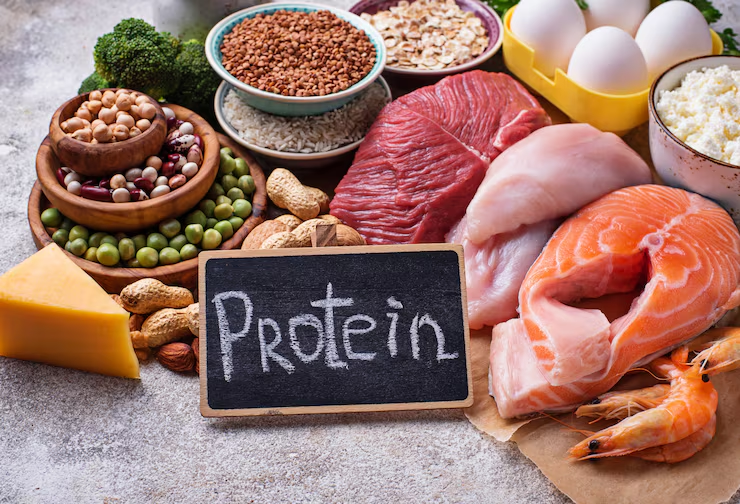
7 Major Symptoms of Protein Deficiency
- Muscle Weakness and Loss of Strength
Protein is essential for building and repairing muscles. When your body doesn’t get enough, it starts breaking down muscle tissues for energy. This leads to muscle weakness, loss of strength, and even visible muscle wasting over time. - Frequent Fatigue and Low Energy
Proteins play a key role in providing steady energy. Lack of protein can make you feel tired, drained, and fatigued even after small activities. If you feel sluggish throughout the day, protein deficiency could be one reason. - Hair, Skin, and Nail Problems
Protein is the building block of keratin and collagen. Deficiency often shows up in brittle nails, hair fall, thinning hair, and dry, flaky skin. These are among the early visible signs that the body is not getting enough protein. - Poor Immunity and Frequent Infections
Proteins are crucial for producing antibodies and immune cells. Without sufficient protein, the body’s defense system weakens, making you prone to frequent colds, infections, and slower recovery from illnesses. - Edema (Swelling in Legs, Feet, or Hands)
Low protein levels in the blood reduce the body’s ability to keep fluids balanced. This can lead to swelling, especially in the legs, feet, and hands, a condition known as edema. - Slow Wound Healing
Protein helps in tissue repair. When your body lacks protein, even small cuts, bruises, or wounds take longer to heal. This delayed recovery is a warning sign of deficiency. - Mood Changes and Irritability
Proteins are needed to make neurotransmitters that regulate mood and brain function. Lack of protein can cause mood swings, irritability, poor focus, and even mild depression.

