



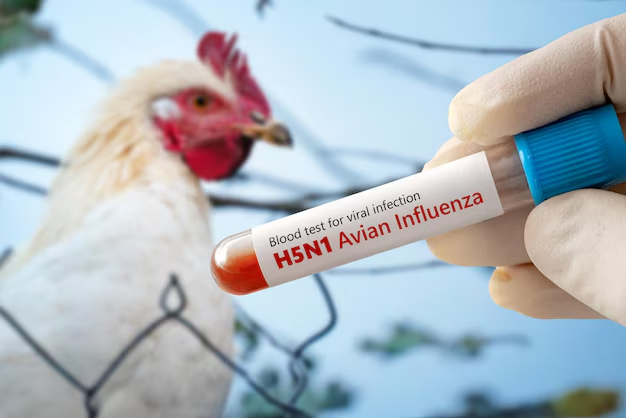
🦠 Bird Flu Alert in Bihar: How It Spreads & Symptoms to Watch For
What is Bird Flu?
Bird flu (Avian Influenza) is a viral infection that mainly affects birds. Some strains like H5N1 and H7N9 can infect humans and cause severe illness.
🔄 How Does Bird Flu Spread to Humans?
Humans usually get infected through direct contact with infected birds or contaminated environments. The virus spreads through:
- Handling infected poultry (chickens, ducks, turkeys).
- Touching bird droppings, saliva, or nasal secretions.
- Visiting live bird markets where infected birds are present.
- Consuming raw or undercooked poultry or eggs.
- Rarely, through close contact with an infected person (human-to-human spread is very uncommon).
👉 The virus does not spread easily like common flu, but outbreaks require strict monitoring.
🤒 Symptoms to Be Wary Of
Symptoms can appear 2–8 days after exposure and may include:
- High fever (above 38°C)
- Persistent cough
- Sore throat
- Muscle pain
- Severe headache
- Shortness of breath
- Chest pain
- Eye infection (conjunctivitis)
- Diarrhea (in some cases)
⚠️ In severe cases, it can lead to pneumonia, acute respiratory distress, organ failure, and even death if not treated promptly.
🛑 When to Seek Medical Help
Seek immediate medical care if:
- You have flu-like symptoms after contact with poultry.
- Breathing becomes difficult.
- Fever remains high for more than 2–3 days.
Early diagnosis and antiviral treatment (like oseltamivir) can improve recovery chances.
🛡️ Prevention Tips
- Avoid contact with sick or dead birds.
- Wash hands thoroughly after handling poultry.
- Cook chicken and eggs completely.
- Avoid visiting live bird markets during outbreaks.
- Use masks and gloves if working in poultry farms.

