



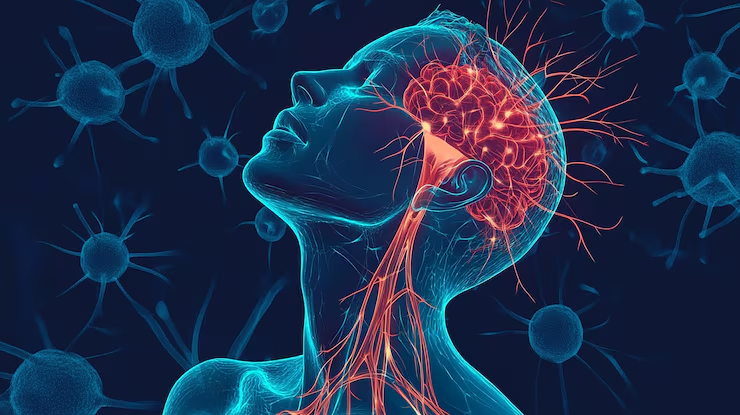
in some cases, childhood infections can increase the risk of long-term or recurrent headaches, but it depends on the type and severity of the infection.
A neurologist’s warning usually focuses on serious infections that affect the brain or nervous system.
🔬 Infections That May Cause Long-Term Headache Issues
1️⃣ Meningitis
Infections like bacterial or viral meningitis (infection of the brain’s protective layers) can sometimes lead to:
- Chronic headaches
- Sensitivity to light
- Cognitive or neurological problems
Severe inflammation may leave lasting effects even after recovery.
2️⃣ Encephalitis
Brain inflammation caused by viruses can:
- Damage brain tissue
- Trigger recurring migraines
- Cause long-term neurological symptoms
3️⃣ Severe or Repeated Sinus Infections
Chronic sinus infections in childhood can:
- Lead to frequent sinus headaches
- Increase migraine susceptibility later in life
4️⃣ High-Fever Illnesses
Very high or prolonged fevers in early childhood may:
- Affect brain sensitivity
- Increase risk of migraine disorders in genetically prone children
🧠 Why Does This Happen?
Infections can:
- Trigger inflammation in the brain
- Sensitize pain pathways
- Alter how the nervous system processes pain
This can make someone more prone to migraines or tension-type headaches later in life.
⚠️ When Should Parents Be Concerned?
Seek medical attention if a child has:
- Severe headache with fever
- Neck stiffness
- Vomiting
- Sensitivity to light
- Confusion or seizures
Early treatment reduces the risk of long-term complications.
💡 Important Note
Most common childhood infections (like cold or mild flu) do not cause lifelong headaches. The concern is mainly with infections that directly affect the brain or are left untreated.

