



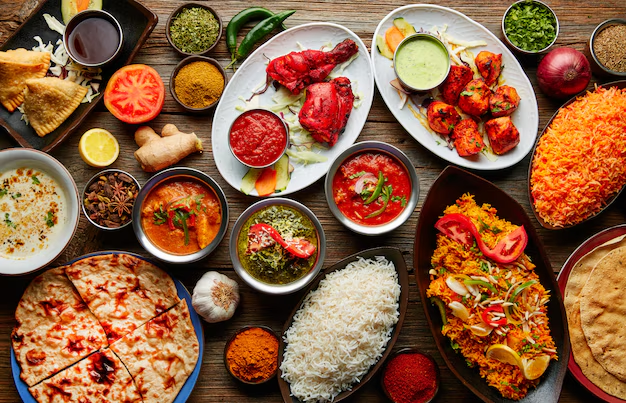
There is no solid evidence that late-night eating alone causes cancer. However, timing your meals against your body clock (circadian rhythm) can affect hormones, metabolism, and inflammation—factors that do influence cancer risk over time.
How late-night eating may increase cancer risk indirectly
1. Disrupts circadian rhythm
Your body is designed to digest food during the day. Eating late confuses your internal clock, which can affect cell repair and DNA protection.
2. Increases obesity risk
Late-night meals are often high in calories and low in nutrition. Obesity is a known risk factor for cancers like breast, colon, and pancreatic cancer.
3. Raises insulin and inflammation
Eating late can cause higher blood sugar and insulin levels at night, leading to chronic inflammation, which is linked to cancer development.
4. Poor digestion & acid reflux
Night eating can worsen acid reflux, increasing the risk of esophageal damage—a known cancer risk if long-term.
Who should be extra careful?
- Night-shift workers
- People with irregular sleep schedules
- Those with obesity, diabetes, or acid reflux
- People who eat heavy, fried, or sugary foods at night
Doctor-recommended healthy habits ✅
- Finish dinner 2–3 hours before sleep
- Keep dinners light and balanced
- Maintain a consistent eating schedule
- Focus on overall diet quality, not just timing
- Prioritize good sleep
Bottom line 🧠
👉 Eating late at night won’t automatically give you cancer, but making it a habit—especially with unhealthy foods—can raise your long-term risk indirectly.

