



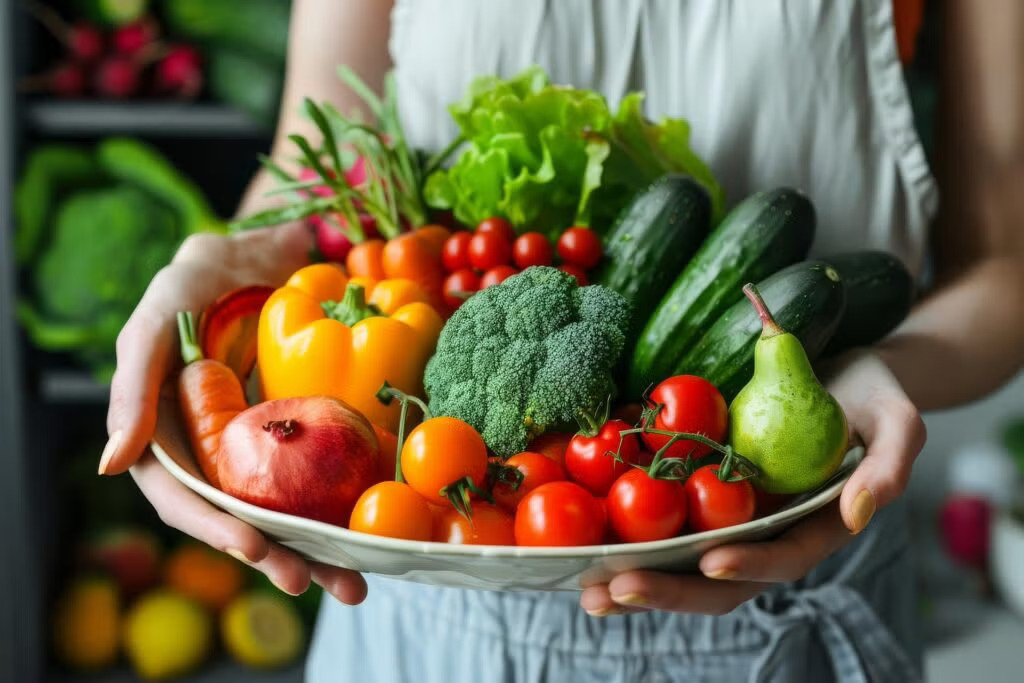
Cancer treatment such as chemotherapy or radiation can reduce appetite, weaken immunity, and affect digestion. A balanced, safe, and nutritious diet helps the child maintain strength, fight infections, and recover faster. Always follow the doctor or dietitian’s instructions, but these general guidelines can help.
What to Feed
- Soft, easy-to-digest foods
Khichdi, dal, porridge, soft roti, mashed vegetables, and soups. - High-protein foods
Eggs, paneer, curd, lentils, tofu, well-cooked chicken or fish to help repair body tissues. - Energy-rich foods
Rice, oats, potatoes, bananas, nut butters, smoothies, and healthy snacks. - Cooked or peeled fruits and vegetables
Apples, papaya, carrots, pumpkin, and other well-washed or cooked produce. - Plenty of fluids
Water, coconut water, soups, buttermilk, and fresh juices (if allowed by the doctor).
What to Avoid
- Raw or undercooked foods
Raw eggs, sushi, or half-cooked meat. - Street food or unhygienic items
These can increase the risk of infection. - Unpasteurized milk or juices
Always give boiled or pasteurized milk. - Very spicy, oily, or junk food
These can worsen nausea and stomach discomfort. - Hard, dry, or rough foods
Chips, toast, or hard snacks may irritate mouth sores.
Helpful Eating Tips
- Give small, frequent meals instead of large portions.
- Offer the child their favorite healthy foods to encourage eating.
- Serve food at room temperature if hot food causes nausea.
- Maintain strict hygiene while preparing and serving food.
Important: Every child’s treatment and nutritional needs are different. Always consult the child’s doctor or a pediatric dietitian before making diet changes.

