



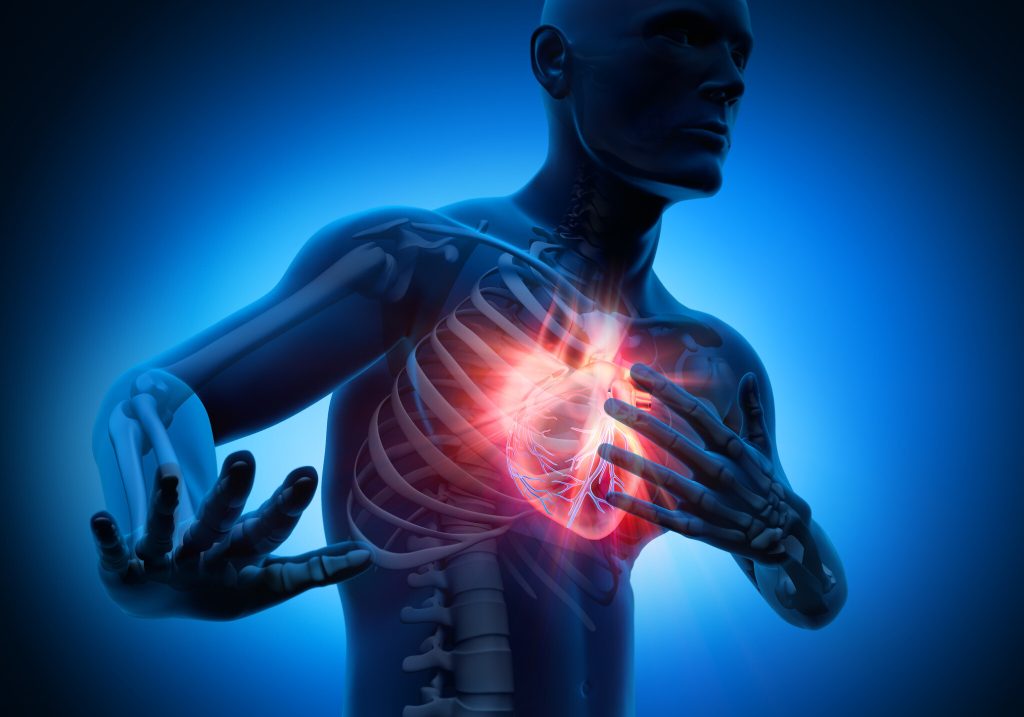
Cold Weather Constricts Veins & Raises Heart Attack Risk — How to Protect Your Heart This Season
Cold temperatures can be surprisingly harsh on the heart. When the weather becomes chilly, your body works harder to maintain warmth, and this puts extra pressure on your cardiovascular system. Understanding why winter increases heart attack risk and what you can do to protect yourself is extremely important.
Why Cold Weather Increases Heart Attack Risk
1. Blood Vessels Constrict (Narrow)
In cold weather, your arteries and veins automatically constrict to preserve heat.
➡️ This narrowing increases blood pressure and forces the heart to pump harder.
➡️ If someone already has cholesterol build-up or weak arteries, this extra strain can trigger a heart attack.
2. Rise in Blood Pressure
Cold temperatures can raise blood pressure even in healthy people.
➡️ Higher BP means more stress on heart muscles.
3. Increased Blood Thickening
In winter, blood tends to become slightly thicker due to dehydration and reduced water intake.
➡️ Thicker blood increases the chance of clot formation.
4. Higher Physical Stress
Simple winter activities—climbing stairs, shoveling snow, brisk walking—can suddenly strain the heart.
➡️ Sudden exertion in cold weather = higher heart attack risk.
5. Low Temperature Triggers Inflammation
Cold weather can increase the body’s inflammatory response.
➡️ Inflammation can destabilize plaque in arteries, making them more likely to rupture, causing a heart attack.
6. Winter Increases Flu & Respiratory Infections
Flu and lung infections put extra workload on the heart.
➡️ Low oxygen + inflammation = higher cardiac stress.
How to Protect Your Heart During Winter
1. Keep Yourself Warm
- Wear layers: thermal innerwear, socks, caps, gloves.
- Keep chest, neck, and head warm—these areas lose heat fastest.
- Avoid sudden temperature changes (like leaving a warm room and going outdoors without preparation).
2. Avoid Sudden Heavy Exertion
- Warm up your body before walking fast or doing physical activity.
- Don’t do sudden intense activities in the cold (running, lifting heavy objects, fast walking).
3. Stay Hydrated
You may drink less water in winter without realizing it.
➡️ Drink 6–8 glasses of water daily to avoid blood thickening.
4. Eat Heart-Friendly Winter Foods
- Warm soups, green leafy vegetables, nuts, seeds, citrus fruits
- Limit fatty, oily, sugary winter snacks
- Include omega-3 (flaxseed, walnuts, fish)
5. Monitor Blood Pressure & Sugar
Winter causes fluctuations.
If you are hypertensive or diabetic:
➡️ Check BP and sugar regularly
➡️ Take medicines on time
6. Protect Yourself From Infections
- Get a flu shot if recommended
- Wash hands frequently
- Avoid crowded, poorly ventilated places
7. Don’t Skip Regular Exercise
But do it indoors or after warming up.
Walking in warm sunlight is ideal.
8. Manage Stress & Sleep
Cold weather, long nights, and stress can disturb sleep.
➡️ Poor sleep increases heart attack risk.
Aim for 7–8 hours of restful sleep.
9. Avoid Smoking & Alcohol
- Smoking + cold constricts blood vessels even more
- Alcohol lowers body temperature and increases heart strain
10. Be Alert to Warning Signs
Seek immediate help if you feel:
- Chest pain or pressure
- Left arm/shoulder pain
- Jaw pain
- Shortness of breath
- Dizziness, cold sweats
Early treatment saves lives.
In Short
Cold weather puts extra strain on the cardiovascular system by narrowing blood vessels, raising blood pressure, and increasing the risk of clots and inflammation. But with simple lifestyle habits—staying warm, avoiding sudden exertion, eating mindfully, staying hydrated, monitoring vitals, and staying active—you can keep your heart safe all winter.

