



Introduction
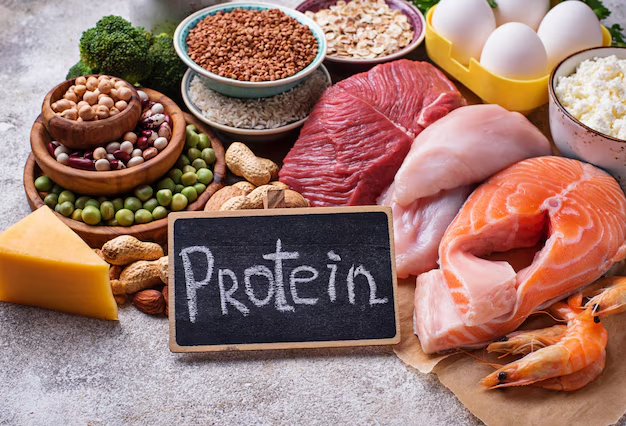
In the race to build muscle and achieve a fit body, many people start consuming excessive amounts of protein, thinking “more is better.” While protein is essential for muscle repair, hormone production, and overall health, too much of it can backfire. Overloading the body with protein—especially from animal sources—can create health complications that slowly harm your kidneys, digestion, heart, and overall nutritional balance.
1. Kidney Damage Risk
Too much protein puts extra pressure on the kidneys, making them work harder to filter waste (like urea and creatinine). Over time, this can damage kidney function, especially if you already have kidney issues.
2. Digestive Problems
High protein intake, especially from animal sources and without enough fiber, can cause constipation, bloating, and gut discomfort.
3. Dehydration
Protein metabolism produces nitrogen, which increases water loss through urine. Without adequate hydration, you can experience fatigue, headaches, and dehydration.
4. Nutrient Imbalance
Focusing too much on protein can mean fewer fruits, vegetables, and whole grains in your diet, leading to deficiencies in vitamins, minerals, and antioxidants.
5. Weight Gain & Fat Storage
Excess protein is converted into glucose or fat if your body doesn’t need it for muscle repair, which can cause weight gain over time.
6. Increased Heart Disease Risk
A high-protein diet rich in red or processed meats increases cholesterol levels and raises the risk of heart disease due to saturated fats.

