



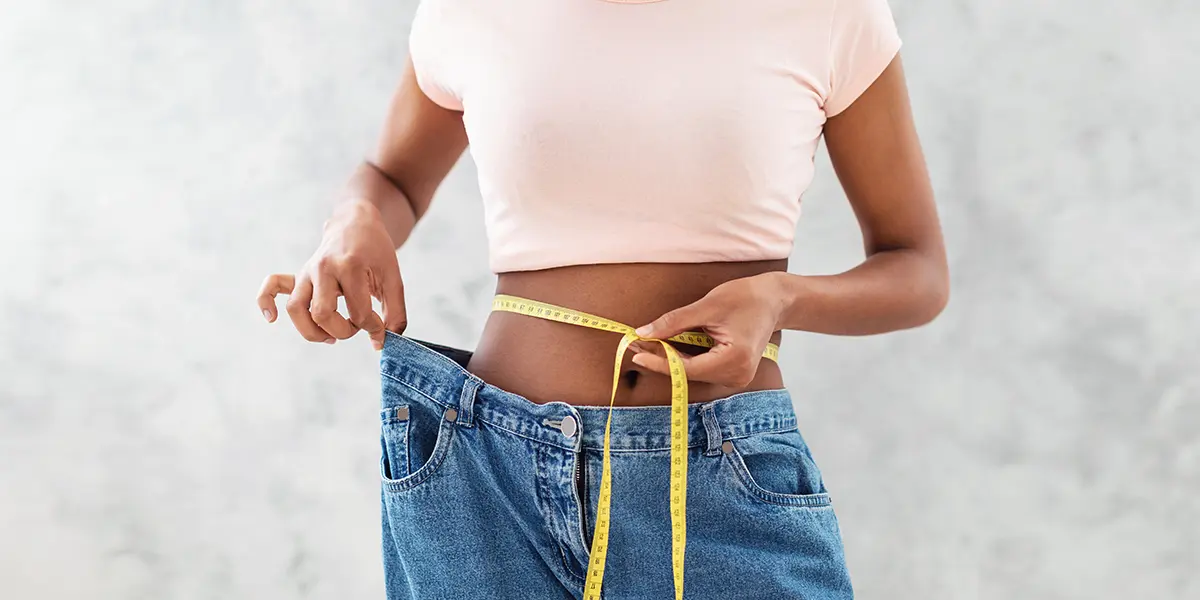
Why You’re Not Losing Weight Despite “Healthy Snacking”
You’re eating clean, choosing “healthy” snacks, and still the scale won’t budge? The problem might not be what you’re eating—but how you’re eating it.
Let’s break it down 👇
⚠️ 1. “Healthy” Doesn’t Mean Low-Calorie
Foods like nuts, granola, smoothies, and peanut butter are nutritious—but also high in calories.
👉 A handful of almonds can quickly turn into 300+ calories without you realizing it.
🍽️ 2. Portion Sizes Are the Real Culprit
Even healthy food leads to weight gain if eaten in excess.
👉 Mindless snacking (especially while scrolling or watching TV) makes you eat more than needed.
⏰ 3. Frequent Snacking = Extra Calories
Snacking all day—even on healthy foods—keeps adding calories.
👉 Your body may never enter a fat-burning state if you’re constantly eating.
🧃 4. Liquid Calories Are Sneaky
Smoothies, fruit juices, and protein shakes feel light but can be calorie-dense.
👉 They don’t keep you as full as solid food, so you end up eating more later.
🍯 5. “Low-Fat” & “Sugar-Free” Can Mislead You
These products often contain hidden sugars or additives.
👉 They may increase cravings and lead to overeating.
😴 6. Emotional or Boredom Eating
Sometimes, you’re not hungry—you’re just bored, stressed, or tired.
👉 Even healthy snacks add up if eaten without real hunger.
🔁 7. Overestimating Calories Burned
After a workout, many people reward themselves with snacks.
👉 But you may be eating back more calories than you burned.
💡 What You Should Do Instead
✔️ Stick to planned meals instead of constant snacking
✔️ Watch portion sizes (even for healthy foods)
✔️ Choose high-protein, high-fiber snacks to stay full
✔️ Drink water—sometimes thirst feels like hunger
✔️ Track your food intake to stay aware
🧠 Final Thought
Weight loss isn’t just about eating “healthy”—it’s about maintaining a calorie balance. Even the healthiest foods can slow your progress if eaten mindlessly.

