



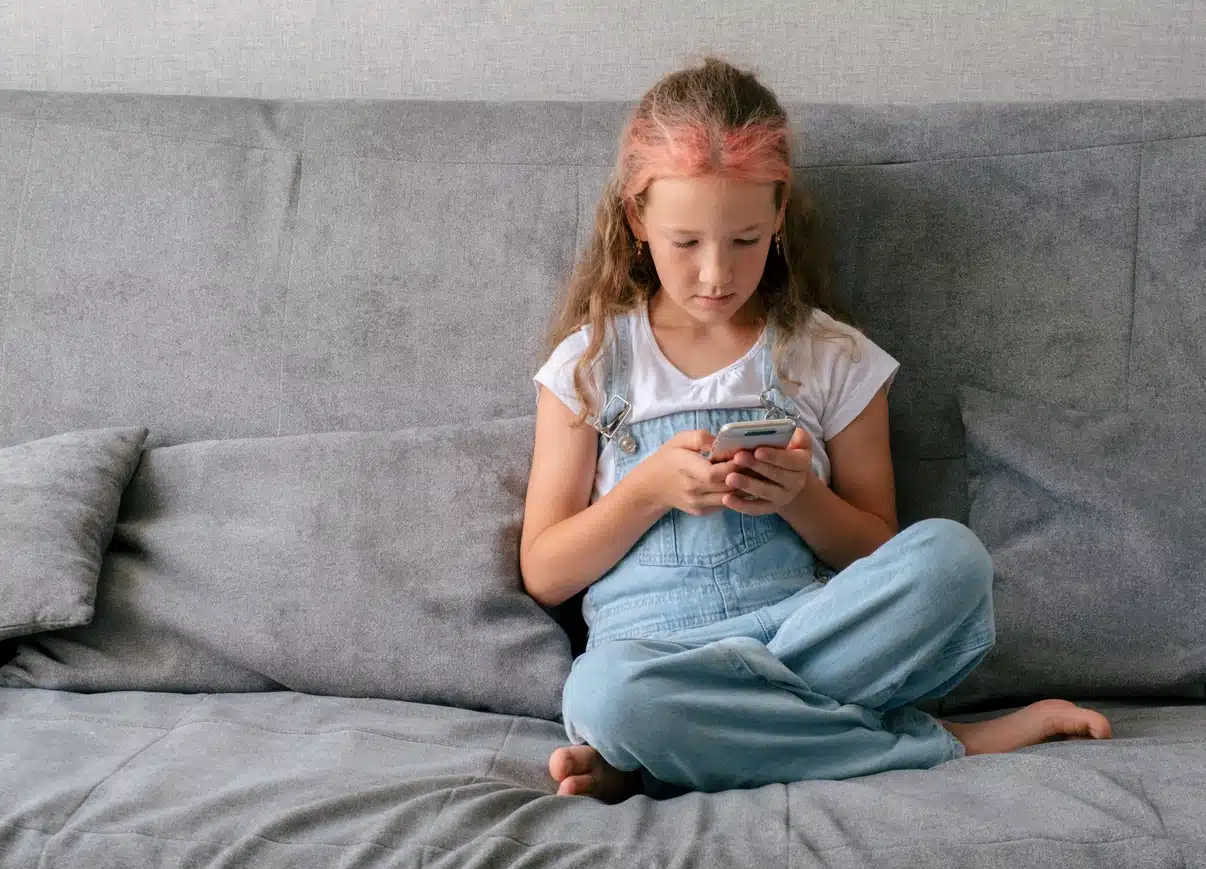
The term “virtual autism” is not an official medical diagnosis, but it is commonly used to describe autism-like symptoms seen in children due to excessive screen exposure, especially in early childhood (0–5 years). It happens when screen time replaces real-life interaction, play, and communication.
Let’s break it down clearly and deeply 👇
📱 What is “Virtual Autism”?
It refers to developmental delays caused by too much screen time, such as:
- Mobile phones
- Tablets
- TV
- YouTube/reels/games
When children spend long hours on screens, their brain misses important real-world learning experiences, especially:
- Talking
- Social interaction
- Emotional bonding
⚠️ 5 Symptoms You Should NOT Ignore
1. 🗣️ Delayed Speech or No Talking
- Child speaks very few words or doesn’t speak at all for their age
- Doesn’t try to communicate needs (like asking for water, food)
👉 Why it happens:
Screens are one-way communication. Children hear sounds but don’t practice speaking.
2. 👀 Poor Eye Contact
- Avoids looking into parents’ eyes
- Doesn’t respond when name is called
👉 Why it happens:
Real human interaction is replaced by screens, so the child doesn’t learn social connection cues.
3. 🤝 Lack of Social Interest
- Doesn’t play with other children
- Prefers being alone with a phone
- Doesn’t show interest in people around
👉 Why it happens:
Screen content is more stimulating than real life, making human interaction seem less engaging.
4. 🔁 Repetitive Behavior
- Repeats the same actions again and again
- Gets upset if routine changes
- May mimic cartoon actions excessively
👉 Why it happens:
Fast, repetitive screen content trains the brain to seek patterns and repetition.
5. 😠 Increased Irritability & Tantrums
- Gets angry when screen is taken away
- Cries excessively without clear reason
- Shows low patience
👉 Why it happens:
Screens release dopamine (pleasure chemical). Without it, the child feels frustrated or restless.
🧠 Important Insight (Think About This)
A child’s brain develops fastest in early years. During this time, they need:
- Talking with parents
- Playing with toys
- Exploring surroundings
- Emotional bonding
👉 If screens replace these, the brain does not develop communication and social skills properly.
⚡ Is It Permanent?
Good news 👍
In many cases, these symptoms can improve or even reverse if:
- Screen time is reduced significantly
- Child gets more real interaction
- Parents actively engage (talk, play, read)
✅ What Parents Should Do
- Limit screen time (especially under 5 years)
- Encourage outdoor play
- Talk to your child frequently
- Read stories and sing songs
- Spend quality time (no phone during interaction)
💡 Final Thought
“Virtual autism” is a warning sign, not a label.
It shows that the child’s environment needs change — not that the child is permanently affected.

