



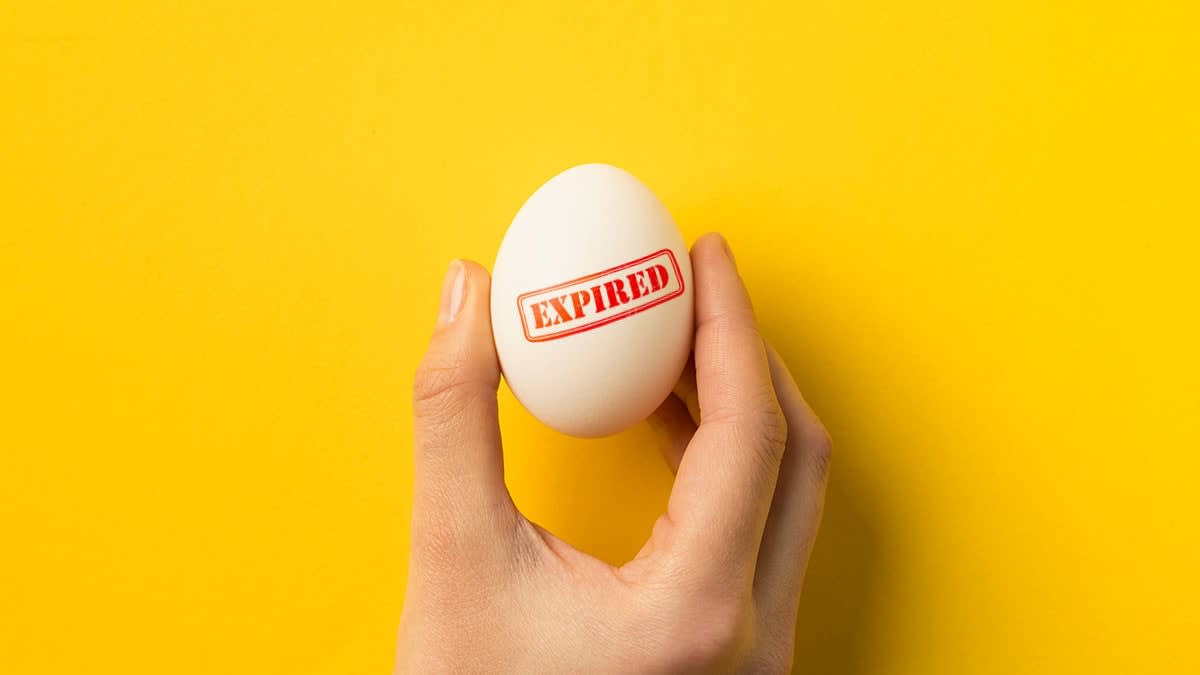
What happens when eggs expire?
Eggs don’t suddenly become unsafe after the expiry date, but their quality and safety gradually decline. Over time, bacteria can grow inside, especially if they are not stored properly.
Health risks of eating expired eggs
1. Food Poisoning (Salmonella Infection)
The biggest risk is infection from Salmonella.
- Symptoms: vomiting, diarrhea, stomach cramps, fever
- Can be severe for children, elderly, and pregnant women
2. Digestive Problems
Expired eggs can irritate your stomach, leading to:
- Nausea
- Bloating
- Loose motions
Even if not severely infected, your gut may react badly.
3. Bad Taste & Smell
Rotten eggs release a sulfur-like odor (like rotten gas).
- Caused by hydrogen sulfide gas
- Makes food unpleasant and unsafe
4. Nutritional Loss
As eggs age:
- Protein quality decreases
- Vitamins break down
So even if not harmful, they become less nutritious.
5. Risk of Severe Illness in Vulnerable People
Expired eggs can be dangerous for:
- Pregnant women
- Elderly people
- People with weak immunity
They are more likely to suffer complications from foodborne infections.
How to check if an egg is still edible
✅ 1. Water Test
- Fresh egg → sinks and lies flat
- Slightly old → stands upright
- Bad egg → floats (throw it away)
✅ 2. Smell Test
Crack the egg into a bowl:
- Fresh → no smell
- Bad → strong rotten odor
✅ 3. Visual Check
- Fresh yolk = firm and round
- Bad egg = watery white, flat yolk
Important Tip
Even if an egg passes the test, always cook it properly to kill bacteria like Salmonella.
Conclusion
Eating expired eggs may seem harmless, but it can lead to food poisoning, digestive issues, and serious health risks. Always check before consuming and avoid taking chances—your health is more important.

