



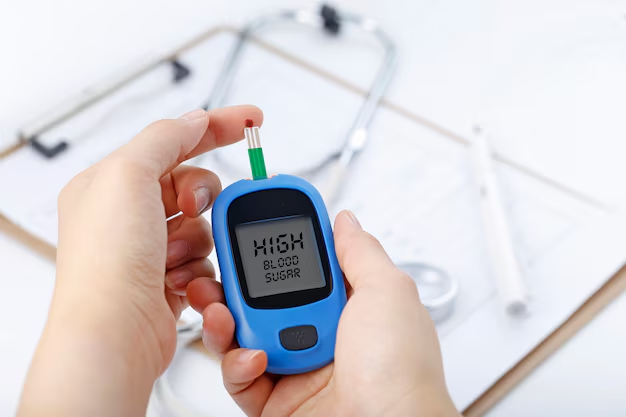
The HbA1c test shows your average blood sugar level over the past 2–3 months, which is why it’s commonly used to diagnose and monitor diabetes. However, experts say that depending only on HbA1c can sometimes lead to misleading results.
Why HbA1c alone may not be accurate
- Anemia can affect results
Conditions like iron-deficiency anemia or other blood disorders may cause HbA1c levels to appear higher or lower than they actually are. - Genetic factors
Some genetic traits, especially those affecting hemoglobin, can influence HbA1c readings. - Red blood cell lifespan changes
Since HbA1c measures sugar attached to red blood cells, any condition that shortens or lengthens their lifespan can distort the results. - Certain health conditions
Pregnancy, kidney disease, or liver disorders may also affect HbA1c accuracy.
Tests doctors use along with HbA1c
To confirm diabetes, doctors usually recommend:
- Fasting blood sugar (FBS)
- Oral glucose tolerance test (OGTT)
- Random blood sugar test
Bottom line
HbA1c is a useful and convenient test, but it doesn’t always provide the complete picture. For an accurate diagnosis, it is often combined with other blood sugar tests—especially if anemia or genetic conditions are present.

