



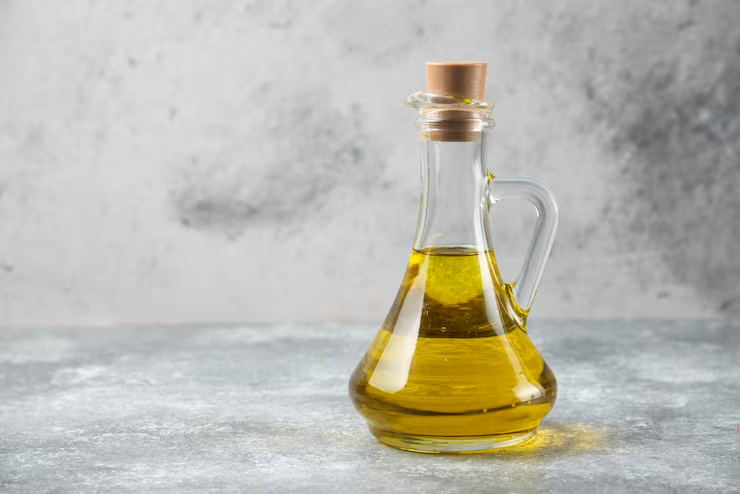
Yes, reheating cooking oil again and again can be harmful to your liver and overall health. When oil is exposed to high heat multiple times, it breaks down and forms harmful substances like free radicals and toxic compounds.
These harmful chemicals increase inflammation and oxidative stress in the body. Since the liver is responsible for removing toxins, it has to work harder, which may increase the risk of fatty liver disease and long-term liver damage.
Each time oil is reheated, its quality decreases, its smoke point lowers, and it becomes more toxic. Dark color, thick texture, or a bad smell are signs that the oil should not be reused.
To protect your liver, avoid reheating oil more than once, use fresh oil for deep frying, and choose oils with a high smoke point. Small kitchen habits can make a big difference to your health.
give proper explanation and tell all thing about it
🛢️ Is Repeatedly Reheating Cooking Oil Damaging Your Liver? A Complete Explanation
Yes, repeatedly reheating cooking oil can harm your liver and overall health. Let’s understand this in detail.
🔥 What Happens When Oil Is Heated?
When cooking oil is heated, especially at high temperatures (like deep frying), it undergoes chemical changes:
- Oxidation – Oil reacts with oxygen and forms harmful compounds.
- Breakdown of fats – Healthy fats can turn into trans fats.
- Formation of free radicals – Unstable molecules that damage body cells.
- Production of toxic aldehydes – Harmful chemicals linked to inflammation and organ damage.
When the same oil is reheated again and again, these harmful substances increase each time.
🧪 Why Reheating Oil Is More Dangerous
Each reheating cycle:
- Lowers the oil’s smoke point (it burns faster).
- Increases toxic compounds.
- Makes the oil thicker, darker, and sticky.
- Reduces nutritional value.
If oil starts smoking heavily, smelling bad, or becoming very dark, it is already degraded and unsafe.
🫀 How It Affects the Liver
Your liver is the body’s detox organ. It filters harmful chemicals from the blood. When you consume food cooked in repeatedly reheated oil:
- The liver has to work harder to remove toxins.
- Oxidative stress increases.
- Inflammation in liver cells may develop.
- Over time, this may increase the risk of fatty liver disease and liver damage.
Long-term exposure to oxidized oil is also linked to:
- Increased bad cholesterol (LDL)
- Heart disease risk
- Digestive problems
- Possible cancer risk (due to toxic aldehydes)
🏠 Common Situations Where This Happens
- Street food vendors reusing oil many times
- Deep frying snacks at home and saving leftover oil
- Using leftover oil from pakoras, fries, or puris again and again
The more times oil is heated, the more harmful it becomes.
🥄 Which Oils Are More Sensitive?
Oils rich in polyunsaturated fats (like sunflower oil) break down faster at high heat. Oils with higher smoke points and more stable fats (like mustard oil or refined groundnut oil) are slightly more stable — but even these should not be reheated multiple times.
✅ How to Reduce Risk
- Avoid reheating oil more than once.
- Do not mix fresh oil with old used oil.
- Avoid oil that is dark, foamy, or has a strong smell.
- Use small quantities of oil to avoid leftovers.
- Prefer healthier cooking methods like steaming, boiling, grilling, or air frying.
📌 Final Conclusion
Repeatedly reheating cooking oil is not just a small kitchen mistake — it can slowly increase toxin intake and stress your liver. While occasional reuse may not cause immediate damage, regular consumption of food cooked in degraded oil can contribute to long-term health problems.
Your liver works silently every day to protect you. Simple habits like using fresh oil and avoiding repeated reheating can help keep it healthy for years.

