



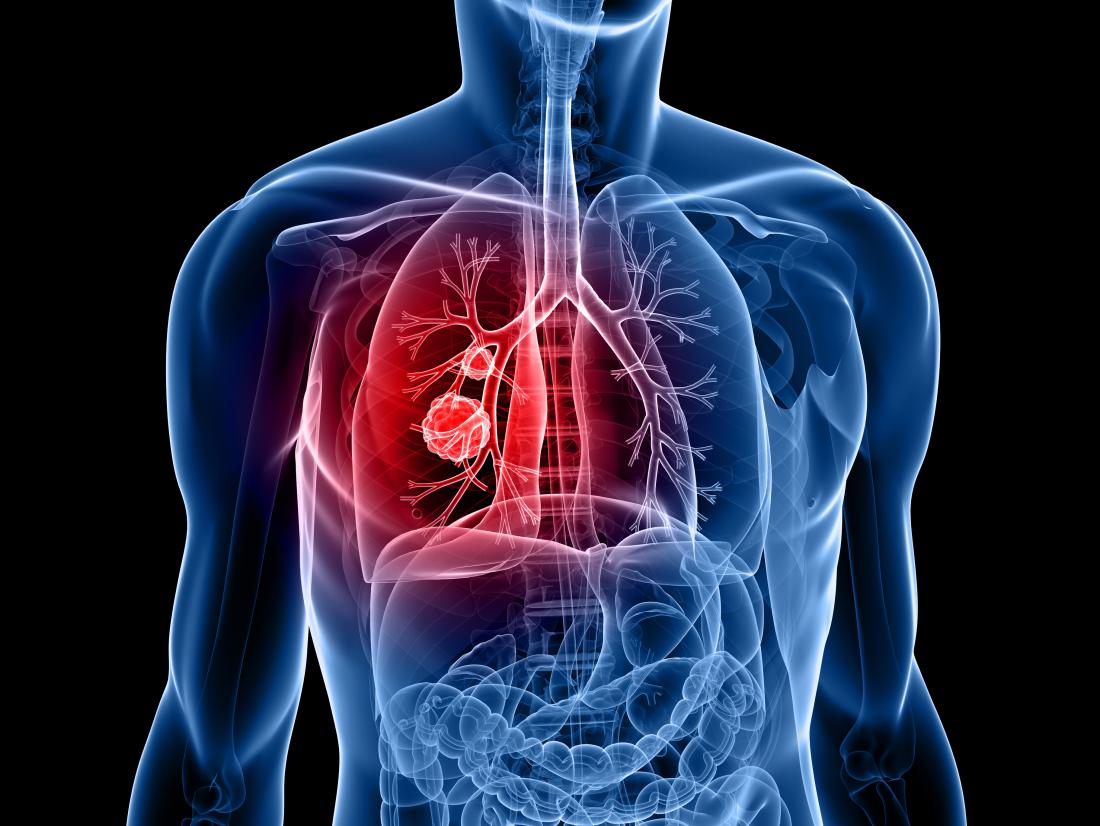
Lung Cancer Will Become Rampant in India by 2030 — Even Non-Smokers at High Risk
A recent study has raised serious concern that by 2030, lung cancer cases in India may rise sharply — not only among smokers, but also among non-smokers, including women and young adults. This trend is unusual because globally, lung cancer is mostly linked to smoking. In India, however, environmental and lifestyle factors are playing an increasingly large role.
Why Lung Cancer Cases Are Increasing in India
1. Severe Air Pollution
- India ranks among the most polluted countries.
- Cities like Delhi, Kanpur, Lucknow, Patna, and Mumbai have extremely high PM2.5 levels.
- Polluted air particles enter deep into the lungs and damage cells, increasing cancer risk.
- Even people who never smoke are exposed daily.
2. Indoor Air Pollution
Many Indian households still use:
- Biomass fuel (wood, cow dung, coal) for cooking
- Poor ventilation
This releases harmful smoke, especially affecting women.
3. Rise in Passive Smoking
- Many non-smokers inhale smoke from others at home or workplaces.
- Passive smoke contains nearly the same carcinogens as direct smoking.
4. Genetic Mutations More Common in Indians
Studies show:
- Indian non-smokers often have EGFR mutations, which increase the risk of adenocarcinoma (a type of lung cancer).
- These mutations may be triggered by pollution and other environmental factors.
5. Occupational Hazards
Exposure to:
- Asbestos
- Silica dust
- Diesel exhaust
- Industrial smoke
Workers in construction, factories, mines, and transportation face higher risk.
6. Late Diagnosis
India sees:
- Most cases diagnosed at Stage 3 or Stage 4
- Very few people go for regular screening
- Symptoms often ignored as “normal cough, asthma, or TB”
This increases fatality rates.
Why Non-Smokers Are Becoming High-Risk
1. Pollution > Smoking
In many Indian cities, breathing polluted air daily equals smoking 10–20 cigarettes per day.
2. Changing Lifestyle
- Lack of physical activity
- Increased stress
- Poor diet
These factors weaken immunity.
3. Rise in Adenocarcinoma
This subtype of lung cancer occurs deep inside lung tissue and is more common in non-smokers and women.
4. Secondhand & Thirdhand Smoke
- Smoke residue on clothes, furniture, cars
- Affects children and women at home
Who Will Be Most at Risk by 2030?
- People living in polluted metros
- Non-smokers exposed to passive smoke
- Women cooking with biomass fuel
- People working in factories or traffic-heavy areas
- Young adults with genetic mutations
- Elderly people with long-term exposure to pollution
Common Early Symptoms You Should Never Ignore
- Persistent cough for more than 3 weeks
- Chest pain
- Breathlessness
- Coughing up blood
- Unexplained weight loss
- Hoarseness of voice
- Recurrent lung infections (pneumonia, TB-like symptoms)
How India Can Reduce the 2030 Lung Cancer Crisis
Government-Level Solutions
- Control air pollution
- Promote clean cooking fuels
- Implement workplace safety rules
- Increase lung cancer screening programs
Personal Prevention
- Avoid polluted areas when possible
- Use N95 masks outdoors
- Improve household ventilation
- Quit smoking / avoid smokers
- Eat antioxidant-rich foods (broccoli, carrots, citrus, turmeric, green tea)
- Get regular checkups if symptoms persist
Conclusion
Lung cancer is no longer just a “smoker’s disease.”
In India, pollution, lifestyle changes, and genetics have created a dangerous shift. By 2030, experts warn that lung cancer may become widespread—even in people who have never smoked a single cigarette.

