



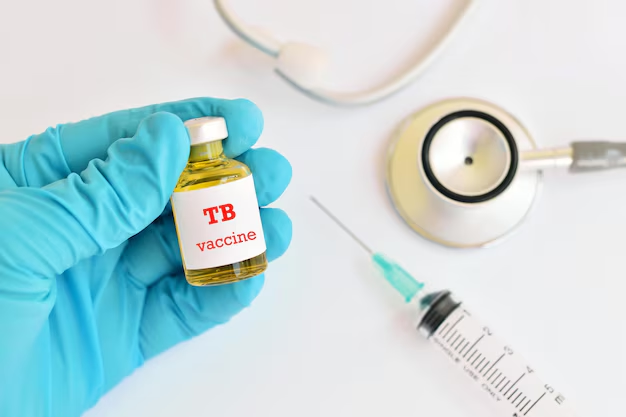
Scientists have reported a major breakthrough in a new vaccine for Tuberculosis (TB) — a disease that mainly affects the lungs and spreads through the air when an infected person coughs or sneezes. Here’s what this development means and why it matters.
Why a new TB vaccine is needed
The current widely used BCG vaccine has been around for more than 100 years. It helps protect infants from severe TB, but its protection in adolescents and adults is inconsistent. TB still infects millions every year, so scientists have been trying to develop a stronger and longer-lasting vaccine.
What’s new in this breakthrough
Researchers say the new TB vaccine:
- Showed strong immune response in both children and adults
- Appeared safe with mild side effects like soreness or low fever
- May provide better protection against pulmonary TB (the most common type)
- Could work as a booster, even in people who already received BCG
Why this is important
According to the World Health Organization, TB is still one of the world’s deadliest infectious diseases. A more effective vaccine could:
- Reduce new TB infections
- Prevent severe disease
- Lower TB-related deaths
- Help control drug-resistant TB
Is it available now?
Not yet. Even though results are promising:
- More large-scale trials are needed
- Scientists must confirm long-term protection
- Regulators must approve it before public use
This means the vaccine is promising but still under development.
What “safe for children and adults” really means
When scientists say it’s safe, they usually mean:
- No serious safety concerns found in trials
- Side effects were mild and temporary
- Works across different age groups
However, long-term monitoring is still required before rollout.

