



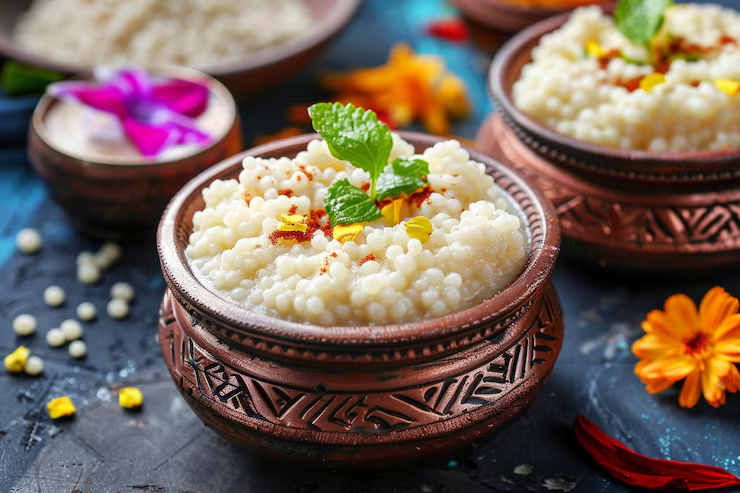
Navratri 2025: Should Diabetics Eat Sabudana? Read the Correct Answer Here
Introduction
During Navratri fasting, many people rely on sabudana (tapioca pearls) for making dishes like khichdi, vada, or kheer because it is light and easy to digest. But for diabetics, this question often arises – is sabudana safe or risky? Let’s understand the correct answer with all aspects.
1. High Glycemic Index (GI)
Sabudana is mainly composed of starch (carbohydrates) and has a high glycemic index. This means it releases sugar into the bloodstream very quickly, leading to sudden spikes in blood sugar. For diabetics, such spikes can be harmful and increase the risk of complications.
2. Low Nutritional Value
Unlike whole grains or pulses, sabudana has very little fiber, protein, or essential nutrients. It mostly provides empty calories. Since fiber slows down sugar absorption, the absence of fiber makes sabudana unsuitable for people managing diabetes.
3. Portion Control Is Key
If a diabetic person really wants to eat sabudana during fasting, it should never be eaten in large amounts. Small portions (½ cup cooked) combined with high-protein or high-fiber foods like peanuts, curd, or vegetables can help reduce its negative impact on blood sugar.
4. Better Alternatives for Diabetics
Instead of sabudana, diabetics can choose healthier fasting foods:
- Kuttu (buckwheat) flour chapati or cheela
- Rajgira (amaranth) ladoo or porridge
- Samak rice (barnyard millet) pulao
These options provide fiber, protein, and steady energy without causing rapid sugar spikes.
5. Expert Opinion
Doctors and dietitians usually advise diabetics to either avoid sabudana or eat it very sparingly. Eating it daily during Navratri can raise blood sugar levels and increase health risks. Monitoring sugar regularly is also important if it is consumed.
Conclusion
For diabetics, sabudana is not an ideal fasting food because it raises blood sugar quickly and offers little nutrition. If eaten, it must be in small portions and combined with protein-rich or fiber-rich foods. But the safest choice is to replace it with healthier fasting grains like kuttu, rajgira, or samak.

