



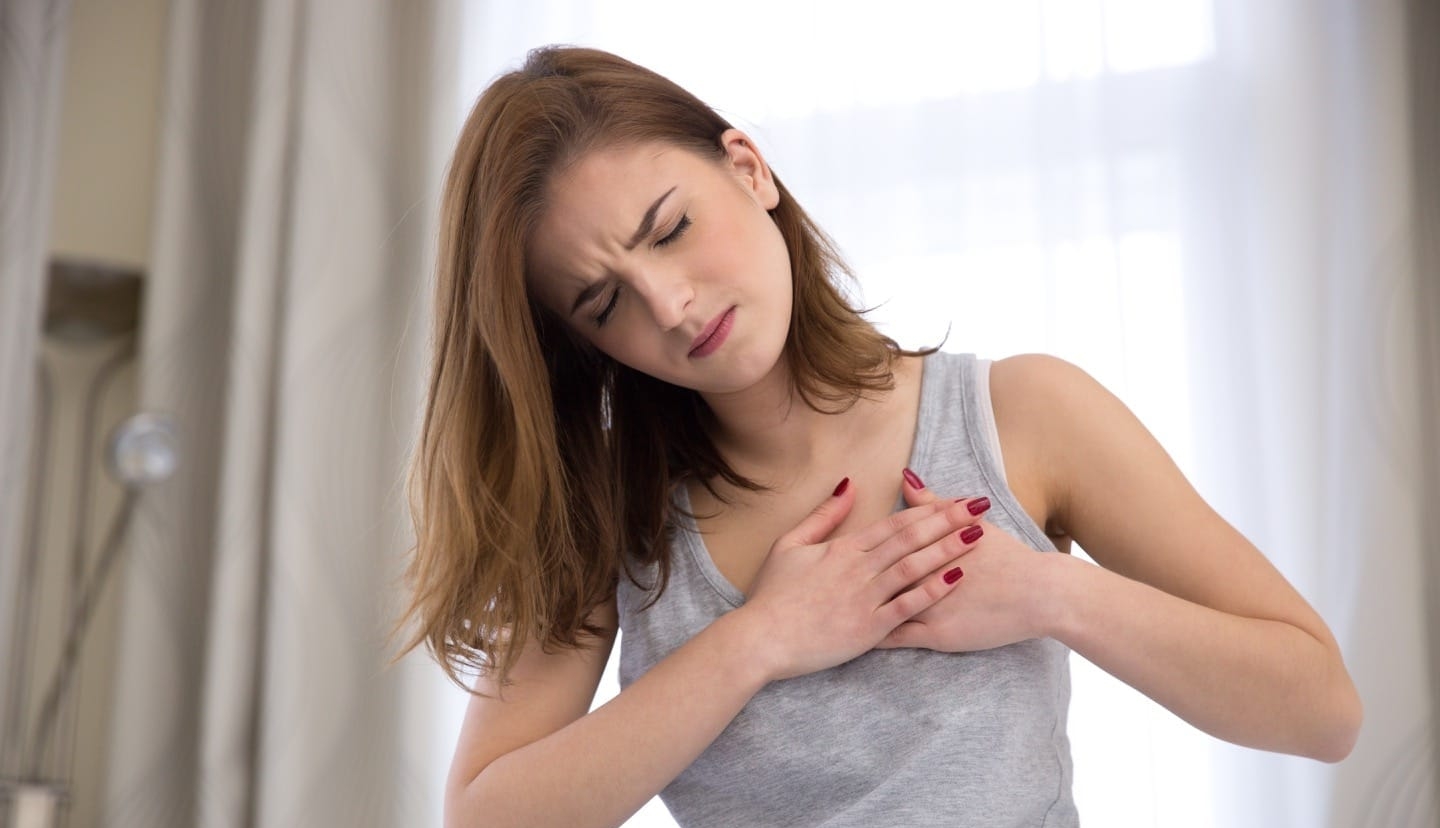
🫀 What is a Silent Heart Attack?
A silent heart attack (also called silent myocardial infarction) occurs when the blood flow to the heart is blocked, just like in a regular heart attack, but the person doesn’t feel obvious or classic symptoms such as severe chest pain. Instead, the signs are mild, confusing, or mistaken for other issues like fatigue, indigestion, or muscle pain.
⚠️ Why Silent Heart Attack is More Dangerous
- Difficult to Recognize
- In a common heart attack, people usually feel severe chest pain, sweating, shortness of breath, which prompts them to seek medical help.
- In a silent heart attack, symptoms are subtle, so patients often ignore them. This delays treatment and increases heart damage.
- Higher Risk of Complications
- Since treatment is delayed, more damage may occur to the heart muscles.
- This can lead to heart failure, arrhythmias (irregular heartbeat), or even sudden cardiac arrest.
- Goes Undetected Until It’s Too Late
- Many people come to know they had a silent heart attack only during a routine ECG, echo, or heart scan, often months or years later.
- By then, the heart’s pumping ability may already be weakened.
🩺 Symptoms of Silent Heart Attack
These are often mild, mistaken for acidity, stress, or aging:
- Mild discomfort or pressure in the chest (not severe pain)
- Unexplained fatigue or weakness
- Shortness of breath, especially on exertion
- Dizziness or lightheadedness
- Discomfort in the back, jaw, arms, or neck
- Sweating, nausea, or a feeling of indigestion
👥 Who is at Higher Risk?
- Diabetic patients (nerve damage reduces pain sensation)
- Elderly people (weaker nerve response)
- Women (they often show atypical symptoms like fatigue, nausea, or sleep disturbance)
- People with obesity, hypertension, high cholesterol, or smoking habits
✅ How to Detect It Early
- Regular health check-ups (especially ECG, echocardiography, stress tests for high-risk individuals)
- Pay attention to subtle changes in breathing, stamina, and unusual fatigue
- Don’t ignore persistent mild chest or upper body discomfort
🛡️ Prevention Tips
- Maintain a healthy lifestyle: balanced diet, regular exercise, no smoking, limited alcohol
- Control blood pressure, blood sugar, and cholesterol
- Manage stress and weight
- Get routine cardiac screenings after age 40 or earlier if at risk
👉 In short, silent heart attacks are dangerous because they don’t “announce themselves” like typical heart attacks. They quietly damage the heart over time and increase the risk of sudden death or chronic heart problems. Awareness and regular check-ups are the only way to catch them early.

