



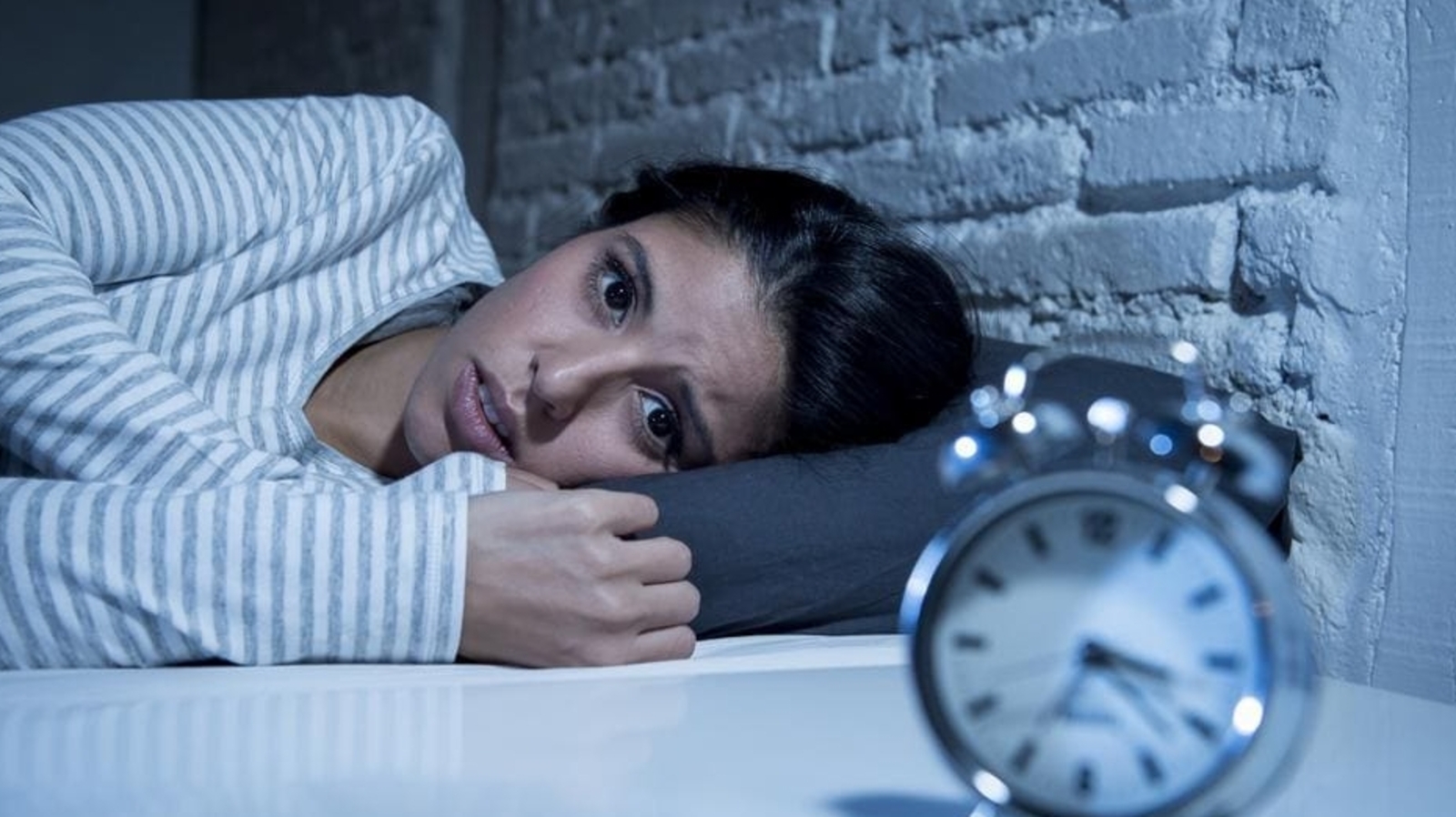
Sleeping Less Than 6 Hours: Serious Disturbances in the Body
Getting less than 6 hours of sleep regularly can disrupt almost every system in the body. Sleep is the time when the body repairs tissues, balances hormones, strengthens the brain, and restores energy. When this time is cut short, the damage slowly shows up in physical and mental health.
Below are the major disturbances caused by chronic short sleep:
1. Brain & Mental Health Disturbances
✔ Poor Concentration & Memory
Lack of sleep weakens the brain’s ability to process and store information. You may forget things easily, lose focus, and make mistakes often.
✔ Mood Swings & Irritability
Even one night of short sleep increases stress hormones, causing anger, frustration, and emotional instability.
✔ Higher Risk of Anxiety & Depression
Sleep deprivation disturbs neurotransmitters like serotonin and dopamine, leading to mental health problems over time.
2. Hormonal Imbalance
✔ Increased Stress Hormone (Cortisol)
Less sleep spikes cortisol, which:
- increases belly fat
- causes anxiety
- raises blood pressure
✔ Decreased Growth Hormone
This affects tissue repair, muscle recovery, and skin health, making you look tired and age faster.
✔ Disturbed Appetite Hormones
Ghrelin ↑ (hunger increases)
Leptin ↓ (feeling of fullness decreases)
This leads to:
- overeating
- junk cravings
- weight gain
3. Heart & Blood Pressure Problems
Sleeping less than 6 hours regularly:
- keeps blood pressure high at night
- increases inflammation
- affects heart rhythm
This increases the risk of:
- heart attack
- stroke
- hypertension
4. Weak Immune System
Your immune system repairs itself during deep sleep. Lack of sleep:
- reduces white blood cells
- increases chances of frequent infections
- slows healing
You may catch colds, viral infections, and allergies more easily.
5. Blood Sugar Imbalance
Short sleep increases insulin resistance, which can cause:
- higher blood sugar levels
- prediabetes
- type-2 diabetes (if habit continues long term)
This is why many diabetics are advised to maintain good sleep hygiene.
6. Digestion & Gut Issues
Less sleep disrupts the gut-brain connection. This may lead to:
- acidity
- constipation
- IBS flare-ups
- bloating and slow digestion
A disturbed sleep cycle even alters good gut bacteria.
7. Weight Gain & Slow Metabolism
Because hormones and digestion get disturbed:
- metabolism slows down
- fat storage increases
- cravings for sugar and carbs rise
Even dieting becomes less effective.
8. Skin & Hair Damage
Short sleep reduces collagen production and increases inflammation, leading to:
- dull skin
- pimples
- dark circles
- hair fall
Sleep is crucial for skin regeneration.
9. Shortened Lifespan
Long-term sleep deprivation is linked with:
- heart disease
- obesity
- diabetes
- Alzheimer’s risk
All of these can reduce overall lifespan.
Conclusion
Sleeping less than 6 hours is not just about feeling tired — it disrupts the brain, heart, hormones, immunity, metabolism, digestion, and mental health.
For most adults, 7–8 hours of sleep is essential to keep the body functioning normally.

