



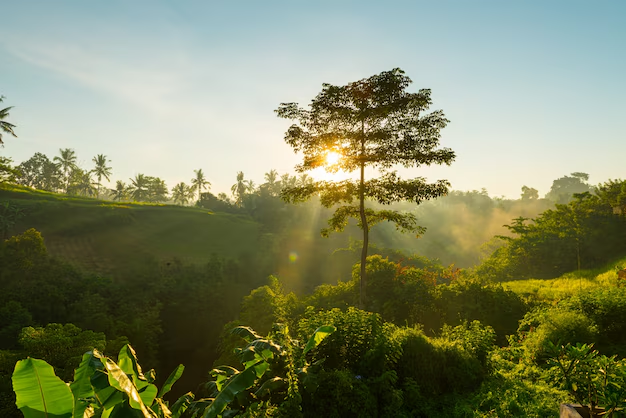
Visiting lush green valleys isn’t just refreshing—it creates measurable changes in your brain and body. Science shows that nature has powerful psychological and neurological effects.
1. Reduces Stress Hormones
Spending time in green environments lowers cortisol (the stress hormone). This is supported by studies in Environmental Psychology. Natural scenery signals safety to the brain, helping it relax and recover.
2. Restores Mental Energy
According to Attention Restoration Theory, nature helps your brain recover from mental fatigue. Unlike screens and city noise, valleys provide “soft fascination” (like flowing water or rustling leaves), which gently engages your mind without draining it.
3. Boosts Mood & Reduces Anxiety
Exposure to greenery increases serotonin and dopamine levels—chemicals linked to happiness. It also reduces activity in the brain region associated with negative thoughts (rumination).
4. Enhances Creativity and Focus
Studies show people perform better on problem-solving tasks after spending time in nature. The calm environment improves concentration and cognitive flexibility.
5. Improves Brain Function
Nature exposure increases blood flow to the brain and supports better memory and decision-making. Even short visits can improve cognitive performance.
6. Activates the Parasympathetic Nervous System
Green valleys trigger the “rest and digest” mode of your nervous system, slowing heart rate and promoting deep relaxation.
7. Strengthens Emotional Well-being
Regular exposure to natural environments is linked to lower risks of depression and better overall mental health.
🌿 In Simple Words
Your brain treats lush green valleys like a “natural reset button.” It reduces stress, improves mood, sharpens thinking, and helps you feel more peaceful.

