



🌿 Introduction
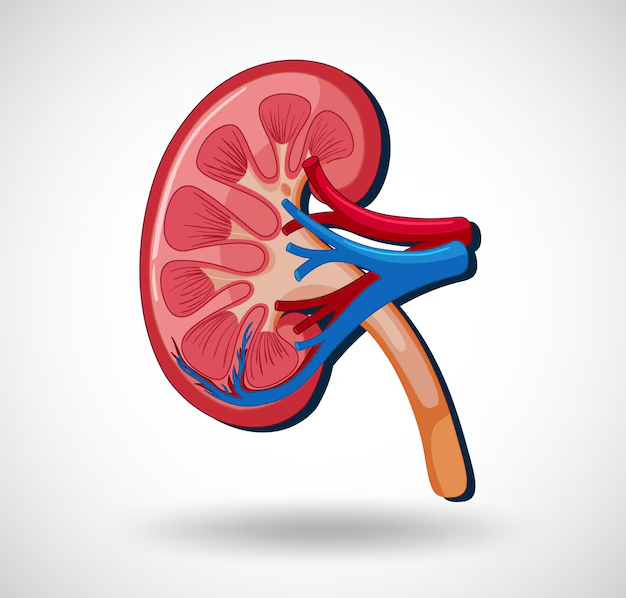
Kidney stones are hard deposits of minerals and salts that form inside the kidneys. At first, they may not show symptoms, but once they start moving or growing, they can cause severe pain, burning sensation during urination, nausea, and even blood in urine. If ignored, kidney stones can gradually damage the kidneys, reduce their ability to filter blood, and sometimes even lead to chronic kidney disease.
The good news is that kidney stones can be prevented to a large extent by making certain lifestyle and dietary changes. Here are 7 important things you should always keep in mind to protect your kidneys.
✅ 1. Drink Plenty of Water
Water is the best natural medicine for kidneys. When you drink enough water (8–10 glasses daily), urine becomes diluted, which prevents minerals like calcium, oxalates, and uric acid from crystallizing into stones. Dehydration, on the other hand, makes urine concentrated, increasing the chances of stone formation. Coconut water, lemon water, and buttermilk are also excellent choices to keep kidneys clean.
✅ 2. Limit Excess Salt
A high-salt diet forces the kidneys to work harder. Too much sodium in the body increases the amount of calcium released into the urine, which can combine with oxalates and form stones. Processed foods, chips, instant noodles, pickles, and packaged snacks are hidden sources of salt. Reducing these can significantly lower kidney stone risk.
✅ 3. Control Oxalate-Rich Foods
Most kidney stones are made up of calcium oxalate. Eating foods very high in oxalates—such as spinach, beets, nuts, chocolates, sweet potatoes, and tea—without balance increases stone risk. Instead of completely avoiding them, combine oxalate foods with calcium-rich foods (like curd or paneer). This helps calcium bind with oxalates in the stomach itself, preventing them from reaching the kidneys.
✅ 4. Eat Adequate Calcium
Many people believe avoiding calcium is good for preventing stones, but the opposite is true. Calcium from food actually reduces stone risk. A diet low in calcium leaves excess oxalate free to form stones in the kidneys. Include moderate amounts of natural calcium sources like milk, yogurt, paneer, ragi, and green leafy vegetables. However, calcium supplements (pills) should be taken only under a doctor’s advice, as excess supplementation may increase stone formation.
✅ 5. Limit Animal Protein
Red meat, organ meat, eggs, and seafood are rich in purines, which increase uric acid levels in the body. High uric acid can crystallize into uric acid stones. Excess protein also increases calcium levels in urine, creating double trouble for the kidneys. Replace frequent heavy meat meals with pulses, lentils, beans, and sprouts for safer protein intake.
✅ 6. Maintain Healthy Weight
Obesity is a silent trigger for kidney stones. Overweight individuals often have higher uric acid levels and metabolic issues that disturb kidney function. Belly fat also increases insulin resistance, which changes how calcium and uric acid are processed by the body. Regular physical activity (walking, yoga, or cycling) and a balanced diet can help maintain healthy weight and keep kidneys functioning well.
✅ 7. Avoid Excess Sugar and Colas
Sugary sodas and energy drinks contain fructose and phosphates, which directly increase kidney stone risk. Colas also increase calcium excretion in urine. Over time, they dehydrate the body and promote stone formation. Instead, drink plain water, fresh fruit juices (without sugar), coconut water, or herbal teas. These not only hydrate but also flush out toxins from the kidneys.
🌟 Conclusion
Kidney stones may start small, but if neglected, they can grow larger and silently damage the kidneys. By following these 7 preventive measures—drinking enough water, reducing salt and sugar, balancing calcium and oxalate foods, limiting animal protein, staying active, and choosing healthy beverages—you can keep your kidneys safe and healthy.
Remember, prevention is always better than cure. A little care in daily habits can save you from painful kidney stones and long-term kidney damage.

