



Why Risk Increases in Rainy Season
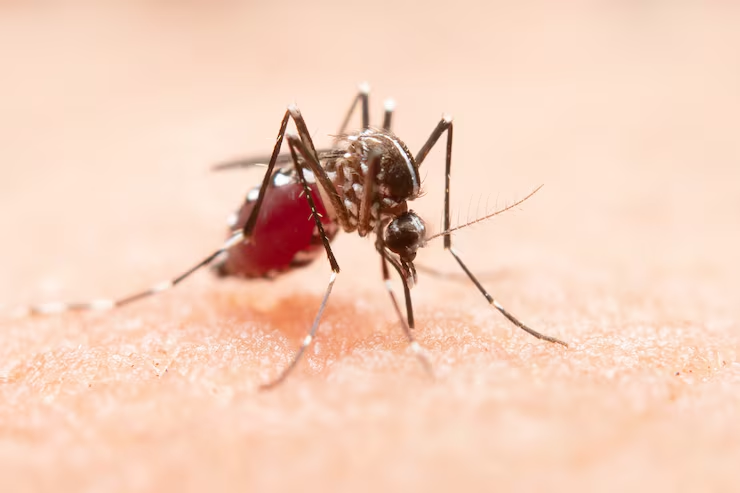
During the monsoon, stagnant water collects in puddles, containers, tyres, and drains. These become breeding grounds for Aedes aegypti mosquitoes, which spread dengue. Warm, humid weather further helps mosquitoes multiply quickly, increasing the risk of infection.
7 Early Symptoms of Dengue
Recognising dengue early is important to avoid complications:
- Sudden High Fever – Often reaches up to 104°F; appears abruptly and lasts 2–7 days.
- Severe Headache – Especially behind the eyes (retro-orbital pain).
- Pain in Muscles and Joints – Known as “breakbone fever” because of the intense body ache.
- Nausea and Vomiting – May lead to dehydration if not managed.
- Skin Rash – Red spots or rashes appear 2–5 days after fever starts.
- Swollen Glands – Lymph nodes in the neck or other areas may swell.
- Mild Bleeding Signs – Nosebleeds, bleeding gums, or easy bruising can occur in early stages of severe dengue.
Prevention Tips in Rainy Season
- Remove stagnant water from surroundings.
- Use mosquito nets, repellents, and wear full-sleeve clothing.
- Keep doors and windows screened.
- Avoid self-medication; seek medical help immediately if symptoms appear.
Dengue can become serious if ignored, especially during the rainy season when mosquito breeding is at its peak. Recognising the early symptoms and taking prompt medical action can save lives. Along with treatment, preventive steps like eliminating stagnant water, using mosquito protection, and maintaining hygiene are the most effective ways to stay safe.

