



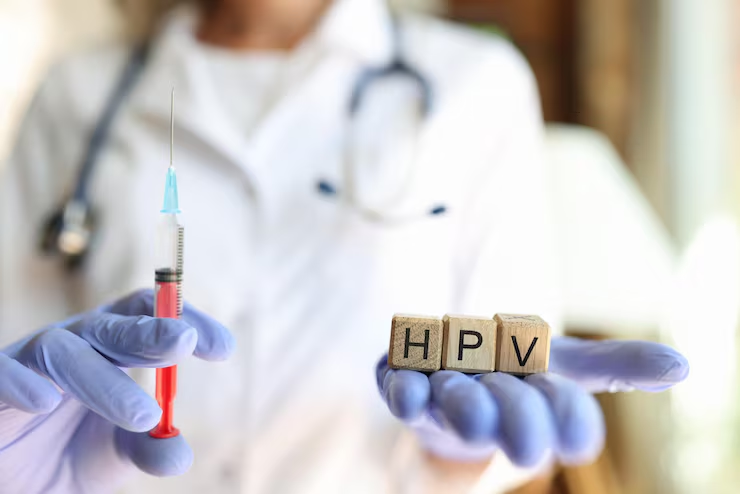
Cervical cancer is largely preventable, yet many women and parents hesitate to take the HPV vaccine. Here are the main reasons behind that hesitation:
1. Lack of awareness
Many people don’t know that HPV (Human Papillomavirus) causes most cervical cancer cases. They also don’t realize the vaccine works best before sexual activity, which leads to missed timing.
2. Misconception: “Only sexually active people need it”
Some believe the vaccine is unnecessary for young girls. In reality, doctors recommend it at 9–14 years, because it protects before exposure to HPV.
3. Safety concerns and misinformation
Rumors on social media claim the vaccine causes infertility or serious side effects. However, studies reviewed by the World Health Organization and Centers for Disease Control and Prevention show HPV vaccines are safe and well-tolerated.
4. Cultural and social stigma
Because HPV spreads through skin-to-skin sexual contact, some parents worry that vaccination might “encourage early sexual activity.” Research shows no increase in risky behavior after vaccination.
5. Cost and access issues
In many places, the vaccine can still be expensive or not widely available, especially in rural areas. This reduces uptake even when people are willing.
6. “I’m healthy, I don’t need it” mindset
HPV infection often has no symptoms, so people assume they’re not at risk. But most sexually active individuals are exposed at some point.
7. Confusion about doses and age
Different recommendations (2-dose vs 3-dose, age limits) create confusion, leading to delays or avoidance.
Why HPV vaccine matters
- Prevents ~90% of cervical cancers
- Also protects against genital warts and some throat cancers
- Works best when taken before age 15, but adults can still benefit

