



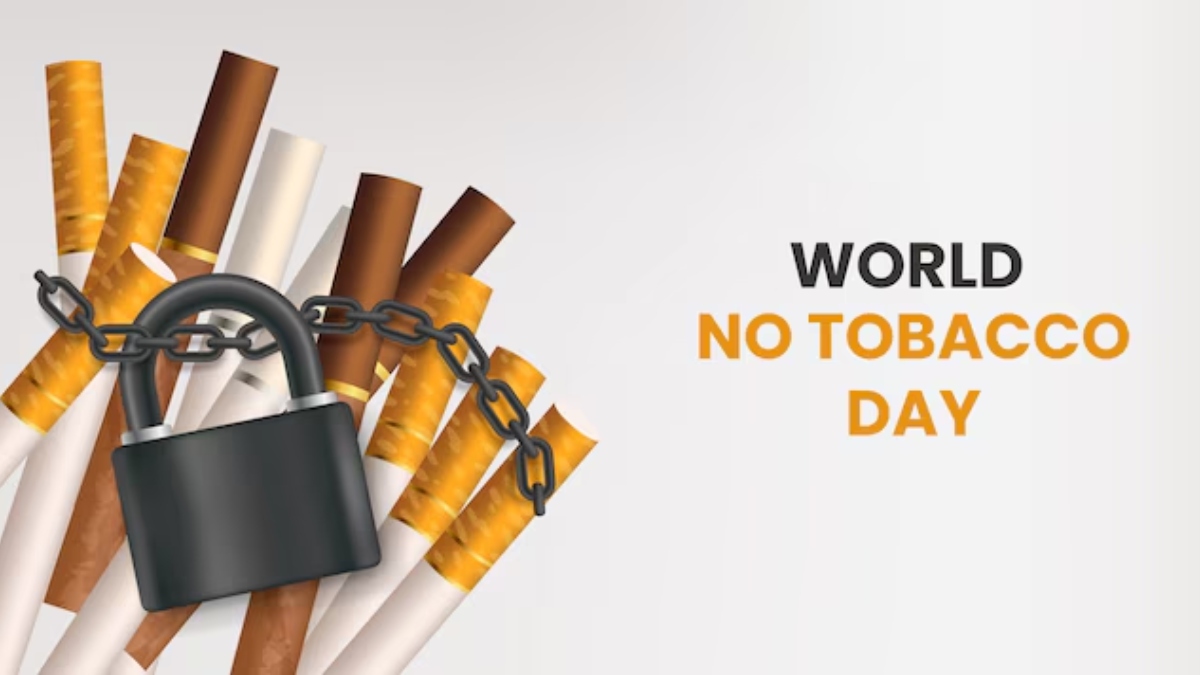
World No Tobacco Day 2025 is observed on May 31, and it’s a crucial reminder of the harmful effects of tobacco on our health. One of the most serious consequences of tobacco use—especially smokeless tobacco and smoking—is oral cancer.
Here are 5 important things to keep in mind to reduce the risk of oral cancer, along with detailed explanations:
1. Quit All Forms of Tobacco – Smoking & Smokeless
Why it matters:
Tobacco contains carcinogens (cancer-causing substances) that directly damage the tissues of the mouth, throat, and tongue. Whether it’s cigarettes, bidis, cigars, gutkha, khaini, or paan with tobacco—all forms increase the risk of oral cancer.
Action:
- Seek help through nicotine replacement therapy (NRT), counseling, or de-addiction programs.
- Start with small goals like reducing frequency, then progress to quitting fully.
- Support groups or helplines can provide motivation and accountability.
2. Limit Alcohol Consumption
Why it matters:
Excessive alcohol consumption irritates the lining of the mouth and throat and, when combined with tobacco use, the risk of oral cancer increases up to 30 times.
Action:
- Reduce intake or avoid alcohol altogether.
- Opt for non-alcoholic beverages and build healthy social habits.
- If alcohol is part of your lifestyle, moderation is key.
3. Maintain Good Oral Hygiene
Why it matters:
Poor oral hygiene can lead to chronic irritation and infections, creating an environment where cancer cells may thrive. Tobacco makes the mouth more vulnerable to such infections.
Action:
- Brush and floss daily.
- Use a mouthwash as advised by your dentist.
- Visit a dentist every 6 months for professional cleaning and oral examination.
4. Eat a Cancer-Fighting Diet
Why it matters:
A diet rich in antioxidants, vitamins, and minerals strengthens immunity and reduces oxidative stress, which can lead to cancer development.
Action:
- Eat plenty of fresh fruits and vegetables, especially those rich in Vitamin A, C, and E.
- Include leafy greens, berries, tomatoes, carrots, turmeric, garlic, and cruciferous vegetables (like broccoli and cabbage).
- Avoid processed and fried foods that contain harmful additives.
5. Get Regular Oral Check-ups & Be Aware of Early Signs
Why it matters:
Oral cancer is often detected late, making it harder to treat. Early detection significantly increases the chances of successful treatment.
Action:
- Look for early signs like non-healing mouth ulcers, red/white patches, unexplained bleeding, pain, or lumps in the mouth or throat.
- If you use tobacco or have used it in the past, regular screening is essential.
- Ask your dentist or doctor for an oral cancer screening during your visit.
Final Thought:
World No Tobacco Day is not just about avoiding tobacco for a day—it’s about taking a step toward a healthier, cancer-free life. Oral cancer is largely preventable if you make conscious lifestyle changes today. Start by saying NO to tobacco, and spread the message to others around you.

