



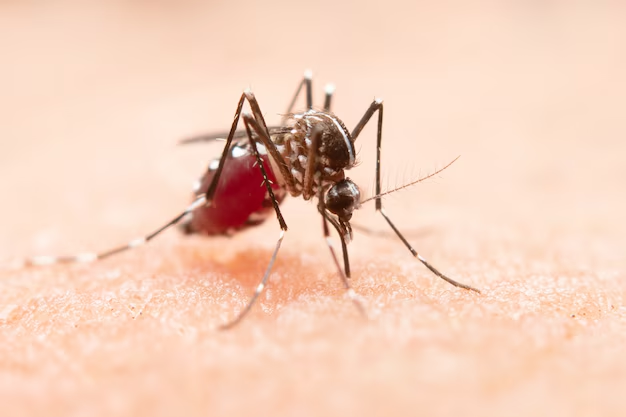
Yes, dengue fever can still be dangerous even if the platelet count is normal. Many people believe that only low platelets make dengue serious, but doctors say this is a myth. The severity of dengue depends on many factors, not just platelet numbers.
Here’s the truth explained in simple points:
- Platelet count is not the only warning sign
A person can have normal platelets but still develop severe dengue complications like internal bleeding, plasma leakage, or organ damage. - The “critical phase” is more dangerous
Dengue usually becomes risky after the fever starts going down, often between day 3 to day 7. During this phase, blood vessels may leak fluid, causing shock even if platelets are still normal. - Severe dehydration can occur
Vomiting, diarrhea, high fever, and poor fluid intake can lead to dehydration and weakness, which may become serious quickly. - Bleeding can happen without very low platelets
Some patients experience nose bleeding, gum bleeding, or internal bleeding because dengue affects blood clotting and blood vessels — not only platelets. - Warning symptoms matter more
Doctors watch for symptoms like severe stomach pain, continuous vomiting, breathing difficulty, extreme weakness, confusion, or bleeding. These can signal severe dengue. - Liver and other organs may be affected
Dengue can damage the liver, heart, or brain in severe cases, even before platelets fall too much. - Regular monitoring is important
Blood tests like hematocrit, white blood cell count, and liver function are also important. A patient should never rely only on platelet numbers.
When to seek urgent medical help
Go to a doctor immediately if a dengue patient has:
- Severe abdominal pain
- Continuous vomiting
- Bleeding from gums or nose
- Black stools
- Difficulty breathing
- Extreme drowsiness or restlessness
- Very low urine output
Conclusion
Normal platelet count does not always mean dengue is mild. Proper hydration, rest, medical supervision, and monitoring of symptoms are extremely important to avoid complications.
Disclaimer: This article is for informational and educational purposes only and should not be considered medical advice. Always consult a qualified healthcare professional before making any health, diet, or treatment decisions. SehatTak is not responsible for any actions taken based on this information.

