



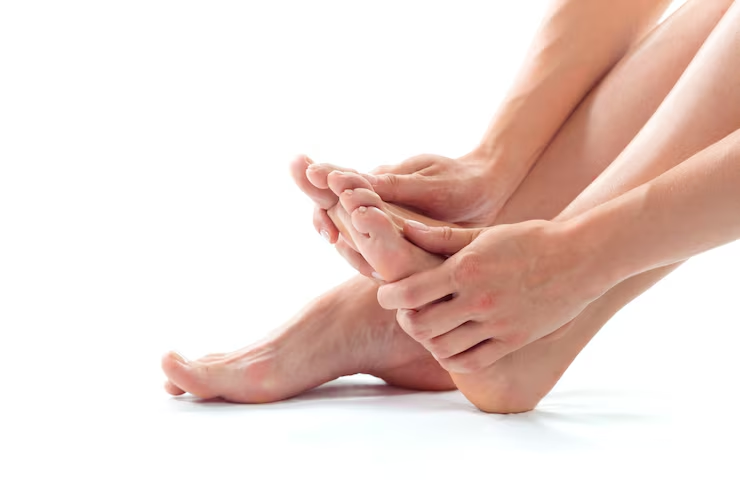
1. Cold or Numb Feet
If your feet often feel unusually cold or numb, even in warm weather, it could be due to restricted blood flow. Poor circulation prevents enough oxygen-rich blood from reaching your lower limbs.
2. Swelling in the Ankles or Feet
Fluid buildup in the feet or ankles, especially after standing for long hours, may indicate that blood isn’t circulating properly. It can be an early sign of venous insufficiency or heart-related issues.
3. Tingling or “Pins and Needles” Sensation
Frequent tingling, burning, or prickling sensations in the legs can mean that your nerves aren’t receiving enough blood supply. This is a common symptom in people with diabetes or peripheral artery disease (PAD).
4. Slow-Healing Wounds
If cuts or wounds on your legs and feet take longer than usual to heal, it’s a strong sign that blood circulation is compromised. Poor blood flow slows the delivery of nutrients and oxygen needed for healing.
5. Varicose Veins
Visible, twisted, or bulging veins in your legs may signal weak vein walls and poor circulation. They not only cause discomfort but can also lead to swelling, heaviness, and leg pain.
6. Leg Pain or Cramping
Sharp pain or cramps in the calves, especially while walking or climbing stairs, could indicate peripheral artery disease. The pain usually eases with rest but returns when you move again.
⚠️ When to See a Doctor
If you experience two or more of these symptoms regularly, it’s essential to consult a vascular specialist. Early diagnosis can prevent serious complications like blood clots, varicose ulcers, or nerve damage.

