



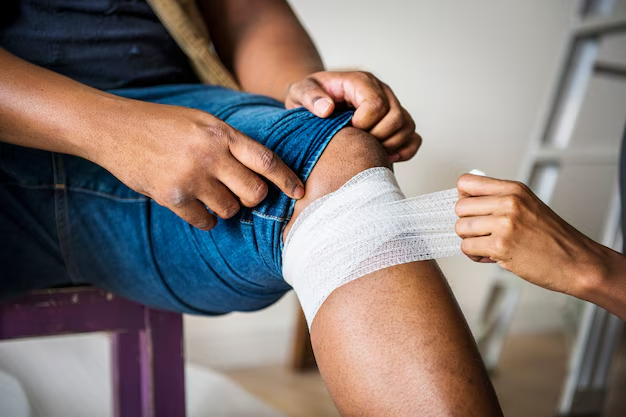
Bleeding that doesn’t stop after a small cut can sometimes indicate Hemophilia, a rare genetic disorder in which the blood doesn’t clot properly. People with this condition lack certain clotting factors, so even minor injuries may lead to prolonged bleeding.
What is haemophilia?
Hemophilia is usually inherited and affects males more often. In this condition, the body either has very low levels or no clotting proteins (Factor VIII or IX), which are needed to stop bleeding.
Symptoms you should not ignore
Pay attention if you notice these signs:
- Bleeding that lasts too long after cuts
Even a small wound may keep bleeding for several minutes or longer than normal. - Frequent nosebleeds
Nosebleeds that happen often and are difficult to stop. - Easy bruising
Large bruises appear even after minor bumps. - Bleeding gums
Bleeding while brushing teeth or eating hard food. - Joint pain and swelling
Bleeding inside joints (knees, elbows, ankles) causing pain and stiffness. - Heavy bleeding after injections or dental work
Small procedures may lead to excessive bleeding. - Blood in urine or stool
This can indicate internal bleeding and needs urgent attention.
When to see a doctor
Seek medical advice if:
- Bleeding takes more than 10–15 minutes to stop
- You bruise very easily
- There’s repeated unexplained bleeding
- Family history of bleeding disorders
Important to know
Hemophilia cannot be completely cured, but it can be managed with clotting factor replacement therapy. Early diagnosis helps prevent joint damage and serious complications.
Simple takeaway:
If minor cuts bleed longer than normal, don’t ignore it — it could be more than just a small injury.

