



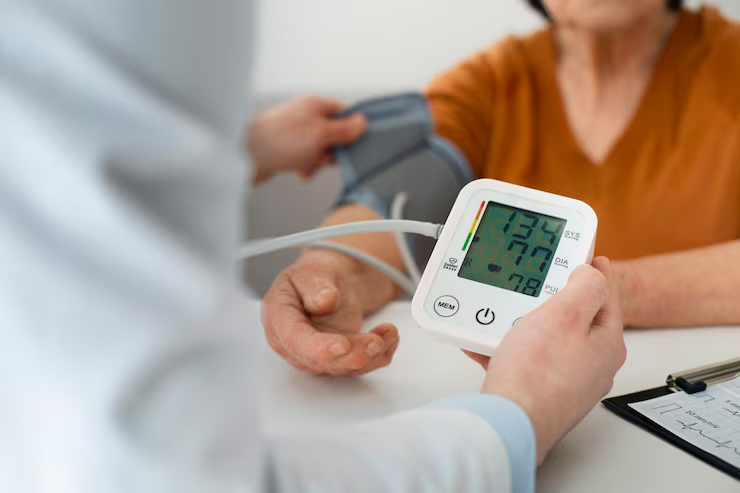
High blood pressure (hypertension) is no longer a problem limited to older adults. Increasingly, people in their 20s and 30s are being diagnosed with high blood pressure, often without any warning signs. That’s why it’s known as the “silent killer.” If left untreated, it can damage the heart, brain, kidneys, and blood vessels over time.
Why are young people at risk?
Modern lifestyles are a major reason. Long hours of sitting, excessive screen time, frequent consumption of fast food, lack of physical activity, poor sleep, chronic stress, smoking, and excessive alcohol intake all contribute to rising blood pressure. Being overweight, having diabetes, or a family history of hypertension also increases the risk.
Symptoms are often absent
Most people with high blood pressure feel completely normal. However, some may occasionally experience headaches, dizziness, blurred vision, chest discomfort, shortness of breath, or nosebleeds. Since these symptoms usually appear only when blood pressure is very high, regular blood pressure checks are essential.
Habits to Change Today
1. Reduce your salt intake
Too much sodium causes the body to retain water, increasing pressure on blood vessels. Limit processed foods, chips, instant noodles, pickles, and packaged snacks, and aim to consume less than 5 grams of salt per day.
2. Exercise regularly
Get at least 150 minutes of moderate physical activity each week. Brisk walking, cycling, swimming, yoga, or strength training can help keep blood pressure under control and improve heart health.
3. Eat a heart-friendly diet
Fill your plate with fruits, vegetables, whole grains, legumes, nuts, and low-fat dairy products. Cut back on sugary drinks, fried foods, and processed meats, which can increase blood pressure and cardiovascular risk.
4. Manage stress effectively
Chronic stress can contribute to hypertension. Meditation, deep breathing exercises, yoga, spending time outdoors, and maintaining hobbies can help lower stress levels and support healthy blood pressure.
5. Prioritize quality sleep
Aim for 7–9 hours of sleep every night. Poor sleep or untreated sleep disorders can increase the risk of hypertension, especially in younger adults.
6. Avoid smoking and limit alcohol
Smoking damages blood vessels, while excessive alcohol can raise blood pressure. Quitting smoking and drinking alcohol only in moderation can significantly improve cardiovascular health.
7. Monitor your blood pressure regularly
Even if you feel healthy, check your blood pressure periodically—especially if you have a family history of hypertension, are overweight, or lead a sedentary lifestyle. Early detection allows for timely lifestyle changes and treatment if needed.
Takeaway
High blood pressure often develops silently, but its complications can be life-threatening. Adopting healthier daily habits, staying active, eating a balanced diet, sleeping well, and getting regular blood pressure checks can greatly reduce your risk and help protect your long-term health.

